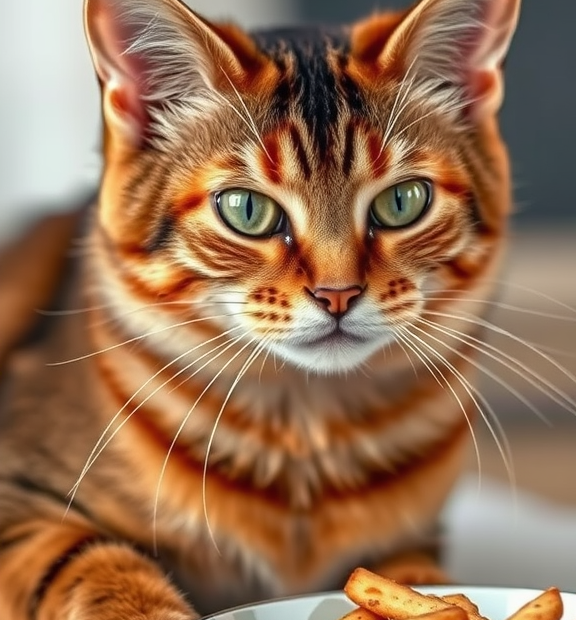
How to Keep Your Abyssinian Cat’s Eating Habits on Track: Essential Tips and Techniques
Understanding Your Abyssinian Cat’s Unique Dietary Needs
Abyssinian cats are known for their active and playful nature, which translates into particular nutritional requirements. Their metabolism tends to be faster than some other breeds, making balanced and consistent eating habits essential to maintain energy and overall health. Knowing what your Abyssinian needs nutritionally helps create a foundation for healthy eating patterns.
Abyssinians thrive on high-protein diets, typically sourced from quality animal proteins such as chicken, turkey, or fish. Protein supports muscle strength and supports their active lifestyle. A diet rich in moisture content is also beneficial since these cats often have a tendency toward urinary tract health issues.
Creating a Mealtime Routine That Fits Your Abyssinian’s Lifestyle
Setting regular feeding times is crucial when keeping your Abyssinian’s eating habits on track. These cats do well with predictable schedules that provide multiple small meals throughout the day instead of one or two large meals. This approach mimics their natural hunting behavior and helps regulate their digestion and hunger levels.
Try to feed your cat at the same times every day. Consistency helps reduce begging and overeating while promoting a healthy metabolism. Additionally, ensure that the feeding area is quiet and free of distractions, allowing your Abyssinian to focus solely on eating.
Choosing the Right Food to Match Their Palate and Health
Abyssinians are often picky eaters, so choosing food that satisfies their taste and supports their wellbeing can require some experimentation. Opt for premium cat foods that emphasize real meat as the primary ingredient and avoid excessive fillers like corn or soy. Wet food is valuable for hydration, while high-quality dry kibble can promote dental health.
Offering a mix of wet and dry food can encourage better eating habits. Always check the labels for taurine, an essential amino acid cats need, and ensure that the diet includes healthy fats such as omega-3 and omega-6. Avoid foods with artificial additives or excessive carbohydrates since these can contribute to weight gain and digestive issues.
Monitoring Portion Sizes and Weight Regularly
Watching your Abyssinian’s weight is one of the best ways to keep eating habits on track. Overfeeding can lead to obesity, which poses health risks like diabetes and joint problems. Underfeeding, on the other hand, can cause nutritional deficiencies affecting energy and coat quality.
Use the feeding guidelines provided on your cat’s food packaging as a starting point, but remember these are general recommendations. Adjust portions based on your cat’s age, activity level, and body condition. You can place your cat on a digital scale or monitor weight at each vet visit to ensure they remain within a healthy range.
Encouraging Healthy Eating Behaviors Through Environment and Mental Stimulation
Since Abyssinians are curious and intelligent, boredom can sometimes interfere with proper eating routines. Providing toys and engaging activities around mealtime can stimulate appetite and reduce anxiety that might inhibit eating.
- Utilize puzzle feeders that require your cat to ‘work’ for food, promoting slow eating and mental engagement.
- Rotate food types occasionally to prevent boredom but keep ingredient quality consistent to avoid digestive upset.
- Ensure fresh water is always available nearby to encourage hydration along with eating.
Maintaining a stress-free feeding environment supports regular eating schedules and discourages picky or disordered eating patterns.
Recognizing and Addressing Warning Signs Early
Pay attention to any changes in your Abyssinian’s eating habits, such as loss of appetite, sudden overeating, or vomiting after meals. These can indicate health concerns ranging from dental issues to gastrointestinal problems or stress-related disorders.
If you notice prolonged changes, consult your veterinarian to rule out medical causes. Early intervention helps prevent serious outcomes and keeps your cat’s diet properly managed and effective.
Maintaining Clear Communication With Your Veterinarian
Regular veterinary check-ups ensure your Abyssinian’s diet remains suitable as they age and their health needs evolve. Your vet can recommend specific dietary adjustments, supplements, or prescription foods tailored to your cat’s unique condition, including any allergies, sensitivities, or chronic illnesses.
Sharing detailed information about your cat’s eating behavior during visits will enable the veterinarian to provide the best nutritional advice. This partnership is crucial to sustaining proper eating habits over your cat’s lifetime.
Key Takeaways for Sustainable Nutrition Management
- Establish consistent feeding times and a quiet, comfortable eating space.
- Prioritize high-protein, nutrient-rich foods free from unnecessary fillers.
- Monitor portions and weight frequently to avoid under or overfeeding.
- Incorporate environmental enrichment to reduce stress and encourage eating.
- Watch for behavioral or health changes related to food intake and consult a veterinarian promptly.
Following these strategies will help you maintain your Abyssinian cat’s eating habits on track, supporting their energetic lifestyle and enhancing their quality of life for years to come.
Understanding the Nutritional Needs of Abyssinian Cats for Optimal Health
Essential Dietary Components for Abyssinian Cats
Abyssinian cats are known for their active and playful nature, which means their dietary needs differ from many other feline breeds. Ensuring they receive the right balance of nutrients is crucial for maintaining their energy levels, muscle tone, and overall well-being. High-quality protein is a top priority because Abyssinians are lean and muscular by nature. Protein supports muscle maintenance and repair, which is vital for a breed that loves to run, jump, and explore.
Alongside protein, healthy fats play a significant role. Omega-3 and omega-6 fatty acids support their skin and coat health, contributing to the shiny, ticked fur that Abyssinians are famous for. Fat also provides a dense source of energy, which helps satisfy the high metabolism of this breed.
Carbohydrates, while less critical than protein and fat, can be included in moderation to provide fiber and additional energy. However, avoid overloading their diet with carbs, as excessive carbohydrates can lead to weight gain and digestive issues.
Meeting the Vitamin and Mineral Needs
Vitamins and minerals are essential to numerous bodily functions in Abyssinian cats. Key vitamins like A, D, and E support vision, bone health, and immune defense, respectively. These cats also benefit from B vitamins, which help convert food into energy effectively.
Minerals such as calcium and phosphorus contribute to strong bones and teeth, while taurine, an essential amino acid unique to cats, is indispensable for heart health, vision, and reproduction. Because Abyssinians are an active breed, ensuring they get enough taurine in their diet is critical.
Choosing the Right Food Types
Commercial cat foods formulated specifically for active or high-energy adult cats are often a good starting point. Look for premium brands that list real meat as the first ingredient and avoid fillers like corn, wheat, or soy. Wet food can provide extra hydration, which supports kidney health and keeps them well-hydrated, but dry food can offer dental benefits by reducing plaque buildup.
Many Abyssinian owners opt to combine wet and dry food to provide both hydration and dental care. Homemade diets or raw feeding are alternatives some consider, but these should always be carefully balanced and discussed with a veterinarian to avoid nutritional gaps.
Adjusting Feeding Portions and Frequency
Abyssinians often have a faster metabolism and higher energy requirements compared to other breeds, so feeding portions need close monitoring. Overfeeding can lead to obesity, while underfeeding may cause lethargy and muscle loss. It’s best to feed small, frequent meals throughout the day to maintain steady energy levels and prevent begging or overeating.
- Adult Abyssinians: Typically require around 200 to 300 calories daily depending on their activity level.
- Kittens: Need more calories per pound of body weight to support growth and development.
- Seniors: May need fewer calories but more digestible proteins as their metabolism slows.
Monitoring Eating Habits for Signs of Health Issues
Keeping an eye on your Abyssinian’s eating habits helps detect early problems. A sudden loss of appetite, refusal to eat certain foods, or frequent vomiting can signal health issues like dental pain or digestive disorders. Regularly weigh your cat to catch changes that may not be immediately apparent visually.
Abyssinians are curious eaters and sometimes prone to picky eating or changes in taste preferences. Gradual transitions between food types or flavors help avoid digestive upset. Avoid giving excessive treats to maintain balanced nutrition and prevent excess calorie intake.
Hydration and Its Role in Nutrition
Water intake is crucial for Abyssinian cats as it aids digestion, nutrient absorption, and helps prevent urinary tract issues. Some Abyssinians prefer running water, so investing in a cat water fountain may encourage them to drink more. Wet food also contributes to daily hydration and is a good complement to dry food diets.
Tailoring Nutrition for Different Life Stages and Conditions
Your Abyssinian’s nutritional needs will evolve with their life stage and health status. For kittens, diets rich in protein and fat support active growth. Adult cats benefit from balanced foods that maintain energy without excess calories. Older Abyssinians might require diets focusing on joint support and easier-to-digest ingredients, as arthritis or kidney function decline are common concerns.
If your cat has specific health issues like allergies or sensitivities, hypoallergenic or limited-ingredient diets tailored by your vet can keep their eating habits on track while protecting their health.
Conclusion
Keeping your Abyssinian cat’s eating habits on track plays a vital role in ensuring a long, happy, and healthy life for your furry friend. By consistently applying essential tips and techniques—like establishing a regular feeding schedule, choosing high-quality, balanced cat food, and monitoring portion sizes—you create a stable environment that supports your Abyssinian’s unique dietary requirements. These cats are active and energetic, so understanding their nutritional needs is crucial. They benefit most from protein-rich diets with carefully balanced fats and minimal fillers or artificial additives.
Paying close attention to their preferences and adjusting meals in response to changes in appetite or behavior will help you spot potential health issues early. Maintaining hydration and providing fresh water alongside meals also supports digestion and overall wellness. When you combine these strategies with regular vet check-ups, you lay the foundation for a diet that keeps your Abyssinian agile and vibrant.
Remember, every cat is unique. Tailoring your approach while respecting their natural instincts and nutritional needs will make feeding time more enjoyable for both you and your pet. By prioritizing these practices, you ensure your Abyssinian cat stays well-nourished, active, and full of life for years to come. Taking care of their eating habits is more than routine—it’s a loving commitment to their wellbeing.