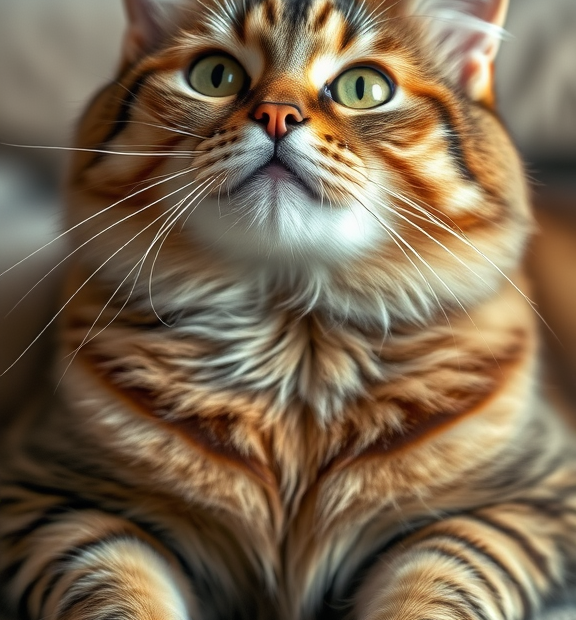
Effective Strategies to Maintain a Healthy Weight for Your Floppy, Docile Cat
Understanding the Unique Needs of a Floppy, Docile Cat
Cats with a floppy, docile temperament often exhibit lower activity levels compared to their more energetic counterparts. This calm disposition, while endearing, can pose challenges in keeping your feline companion at a healthy weight. Less movement typically means fewer calories burned, increasing the risk of weight gain if dietary intake isn’t adjusted accordingly. Taking care of a floppy cat’s health involves a balance between mindful feeding and gentle encouragement to move more.
Customized Feeding Plans to Support Healthy Weight
One of the most effective strategies for managing your cat’s weight is tailoring their diet based on their specific activity level. Since floppy, relaxed cats tend to expend less energy, it’s important to prevent overeating and unnecessary calorie buildup.
- Portion Control: Use a measuring cup or a portion control feeding bowl to ensure your cat gets the right amount of food at each meal, avoiding free-feeding where food is always available.
- High-Quality, Nutrient-Dense Foods: Opt for balanced cat food formulas that are rich in protein and low in fillers or excessive carbs, which can contribute to weight gain.
- Scheduled Feeding Times: Establish a regular feeding schedule—usually two to three meals daily—to help regulate your cat’s eating habits and monitor intake more easily.
- Limit Treats and Snacks: While occasional treats can provide comfort and bonding moments, overindulgence may cause weight problems. Choose healthy treats and keep them minimal.
Encouraging Movement in Gentle Ways
Encouraging a floppy cat to be more active doesn’t mean forcing them into strenuous exercise. Instead, adopt gentle methods that stimulate movement without causing stress or discomfort.
- Interactive Play: Use lightweight toys such as feather wands or soft balls that your cat can bat at from a lying or sitting position.
- Short Play Sessions: Engage your cat in several brief sessions throughout the day rather than one long playtime, which might overwhelm a more docile feline.
- Environmental Enrichment: Place climbing shelves, scratching posts, or cozy hideouts to encourage mild climbing, stretching, and exploration.
- Use Food Puzzles: Introduce puzzle feeders that require the cat to work a little to get their food, promoting gentle physical activity and mental stimulation.
Monitoring Your Cat’s Weight and Health Regularly
Keeping track of your floppy cat’s weight is crucial for early detection of any weight-related issues. Making adjustments when necessary helps maintain healthy body condition and prevents obesity-related diseases.
- Regular Weigh-Ins: Weigh your cat weekly or biweekly using a small pet scale or at your veterinary clinic.
- Body Condition Scoring: Learn to assess your cat’s body condition by feeling along their ribs, spine, and hips to determine if they are underweight, ideal, or overweight.
- Consult Your Vet: Periodic veterinary visits can provide professional advice on diet, activity, and health checks tailored to your cat’s needs.
Creating a Supportive Environment for Your Docile Cat
Making your home cat-friendly in ways that encourage natural movement can contribute greatly to maintaining a healthy weight.
- Accessible Toys: Leave toys in various locations to prompt your cat to move about their environment.
- Windows with View: Cats love watching birds or outdoor activity; placing a cozy perch near windows can stimulate alertness and occasional stretching.
- Comfortable Resting Spots: Give your cat multiple resting places to alternate between activity and rest comfortably, helping balance their energy levels.
Patience and Positive Reinforcement
Remember, adjusting weight in a floppy, docile cat requires patience. Sudden changes in diet or activity can stress your cat. Use praise and gentle encouragement to promote healthy habits. Celebrate small milestones with affection or a favorite treat in moderation. This supportive approach fosters a strong bond and encourages long-term wellness.
The Importance of Diet and Exercise in Enhancing Your Cat’s Overall Well-being
Why a Balanced Diet Matters for Your Cat’s Health
Feeding your cat the right types and amounts of food plays a crucial role in their health and happiness. Cats are obligate carnivores, which means their nutrition must be rich in animal proteins and fats. A diet that lacks the proper balance of nutrients can lead to weight problems, weakened immune systems, and other health issues.
By offering a balanced diet tailored to your cat’s age, weight, and activity level, you support vital bodily functions. Vitamins, minerals, and amino acids found in quality cat food contribute to strong muscles, healthy skin, and shiny fur. Additionally, a well-rounded diet boosts energy levels and helps keep your cat’s digestive system running smoothly.
How Exercise Boosts Your Cat’s Well-being
Physical activity is just as important as a proper diet. Cats naturally enjoy playing, climbing, and exploring. Encouraging these behaviors helps maintain a healthy weight and strengthens muscles and joints. Exercise reduces stress and boredom, both of which can negatively affect your cat’s behavior and health.
Regular playtime also helps prevent conditions related to being sedentary, like diabetes and heart problems. Keeping your cat moving not only controls weight gain but also sharpens their mind, making them more alert and content.
Easy Ways to Keep Your Cat Active
- Interactive toys: Use feather wands, laser pointers, or motorized toys to engage your cat.
- Play sessions: Aim for short but frequent playtimes throughout the day to keep your cat interested.
- Climbing structures: Cat trees and shelves offer opportunities to climb and exercise natural instincts.
- Puzzle feeders: These make your cat work for their food, promoting mental and physical activity.
Monitoring Your Cat’s Weight
Keeping an eye on your cat’s weight is vital to ensure they are neither underweight nor overweight. A healthy weight improves mobility and reduces the risk of diseases.
Regular veterinary check-ups help you track your cat’s weight trends, and your vet can recommend adjustments to diet or exercise if necessary. At home, you can regularly feel their ribs—if they’re too hard to find, your cat might be carrying extra weight.
Signs Your Cat Might Need a Change in Diet or Activity
- Reduced energy or reluctance to play
- Noticeable weight gain or loss
- Changes in eating habits or appetite
- Difficulty jumping or climbing
Customizing the Diet and Exercise Plan
Every cat is unique. Factors like age, breed, health status, and personality affect how much and what type of food they need, as well as how much exercise suits them. Senior cats or those with medical conditions may require special diets and gentler exercise routines.
Consult your veterinarian to create a tailored plan that fits your cat’s lifestyle. They can help you set realistic goals and provide guidance on portion sizes and the best types of physical activities.
Maintaining Consistency for Lifelong Health
Consistency is key when it comes to diet and exercise. Sudden changes can confuse your cat and lead to stress or digestive upset. Gradually introducing new foods or increasing activity levels helps your cat adjust smoothly.
Make healthy habits a regular part of your cat’s daily routine. This proactive approach supports long-term wellness and ensures your feline friend lives a vibrant, happy life.
Conclusion
Keeping your floppy, docile cat at a healthy weight requires a thoughtful blend of effective strategies and consistent care. By focusing on balanced portion sizes and choosing nutritious, high-quality food, you can prevent overfeeding and support your cat’s energy needs. gentle play and interactive activities encourages movement, which not only helps manage weight but also enriches your cat’s mental and emotional health.
Understanding how diet and exercise work together is key to boosting your cat’s overall well-being. A healthy weight reduces the risk of conditions like diabetes, arthritis, and heart problems, helping your feline friend enjoy a longer, happier life. Regular vet check-ups can keep you on track, ensuring any necessary adjustments to your cat’s routine are made promptly.
Remember, every floppy, docile cat is unique, so patience and observation are essential. By providing balanced nutrition and encouraging even small bursts of activity, you are giving your cat the best chance to thrive. Taking these steps shows your love and commitment to your furry companion’s health, keeping them comfortable, content, and full of life for years to come.