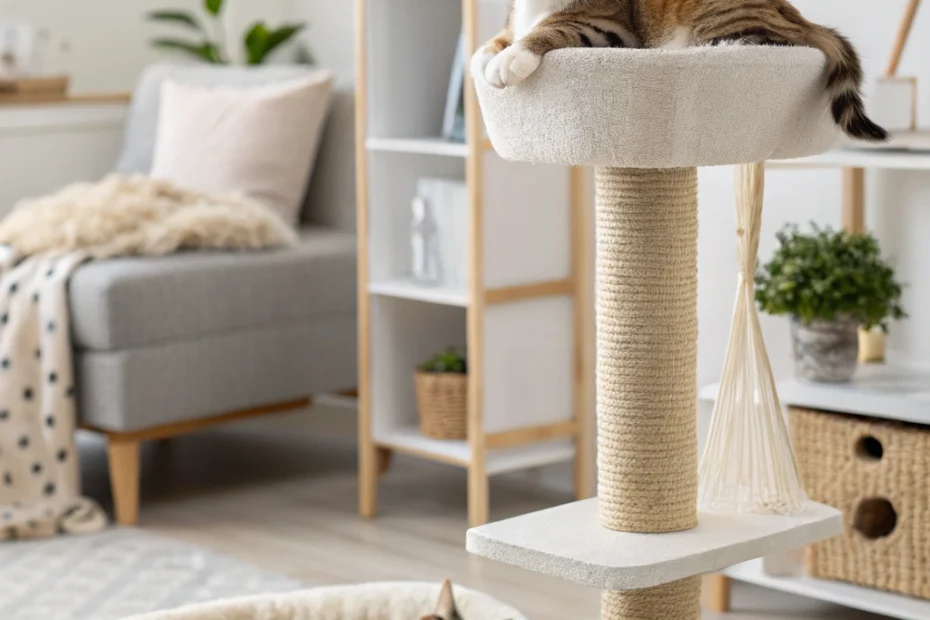
If you’re struggling with how to prevent cat scratching furniture, you’re not alone. Many cat owners face this challenge, which can be both costly and frustrating. This guide will help you understand why cats scratch and offer strategies to keep your furniture safe while ensuring your cat remains content and healthy.
how to prevent cat scratching furniture at a Glance: Key Facts for Cat Owners
Understanding why cats scratch is the first step in preventing damage. Scratching is a natural behavior that helps cats stretch, mark territory, and maintain their claws.
To effectively protect your furniture, you must provide suitable alternatives and understand your cat’s needs. Here are some key points:
- Cats scratch to mark their territory and exercise.
- Providing scratching posts can redirect this behavior.
- Strategic placement of scratch-friendly items is crucial.
How to Choose
When selecting solutions to prevent scratching, consider your cat’s age, personality, and environment. Younger cats may require different materials than older ones, and some cats prefer vertical surfaces over horizontal ones.
Factors to Consider
- Age: Younger cats may enjoy more playful structures, while older cats might prefer softer, more stable options.
- Material: Cats have preferences for materials like sisal, cardboard, or carpet. Observing your cat’s current scratching habits can guide your choice.
- Location: Place alternatives in areas where your cat already likes to scratch.
Safety & Setup
Introduce new scratching solutions gradually to avoid overwhelming your cat. Ensure all products are safe, stable, and free of small parts that could be swallowed.
- Securely anchor tall scratching posts to prevent tipping.
- Regularly inspect scratching surfaces for wear and replace as needed.
- If introducing deterrents, ensure they are safe and non-toxic.
Core Pillars
Effective prevention relies on several core pillars:
- Consistency: Consistently offer and encourage the use of scratching alternatives.
- Environment: Create an enriching environment that meets your cat’s physical and mental needs.
- Monitoring: Observe your cat’s behavior to adjust strategies as needed.
- Training: Use positive reinforcement to guide your cat towards appropriate scratching areas.
Placement & Environment Tips
Strategic placement of scratching posts can greatly influence your cat’s habits. Consider these tips:
- Place scratching posts near your cat’s favorite resting spots.
- If your cat scratches near windows, try placing a post nearby to redirect the behavior.
- Rotate scratching posts periodically to maintain interest.
Comparison with Alternatives
There are several methods to prevent furniture scratching, each with its own benefits and limitations.
- Scratching Posts vs. Deterrent Sprays: While posts offer a positive outlet, sprays may discourage unwanted behavior but can be less effective if used alone.
- Furniture Covers vs. Declawing: Covers protect without harm, while declawing is a controversial procedure with potential health risks.
- Cat Furniture vs. DIY Solutions: Commercial cat furniture often offers durability and variety, while DIY options can be customized but may lack longevity.
FAQs
Why do cats scratch furniture?
Cats scratch to mark territory, exercise, and maintain healthy claws. It’s an instinctual behavior that helps them stretch and relieve stress.
Can I train my cat not to scratch furniture?
Yes, with patience and consistency, you can redirect your cat’s scratching behavior to more appropriate surfaces like scratching posts.
What materials are best for scratching posts?
Sisal, carpet, and cardboard are popular materials. It’s important to observe your cat’s preferences to choose the best option.
Are there any safe deterrents?
Yes, there are non-toxic sprays and tape that can deter cats from scratching certain areas. Always ensure products are safe for pets.
How many scratching posts does my cat need?
Provide several scratching posts throughout your home, especially in areas your cat frequently visits or scratches.
Is declawing a good option?
Declawing is not recommended due to potential health risks and behavioral changes. Providing alternatives is a more humane solution.
What if my cat ignores the scratching post?
Try different materials or locations. You can also encourage use by placing catnip on the post or rewarding your cat when they use it.
What to Do Next
Preventing your cat from scratching furniture involves understanding their needs and providing suitable alternatives. Consistent training and environmental enrichment are key to success. Monitor your cat’s behavior and be willing to adapt your approach as needed. Work closely with your veterinarian if you have concerns about your cat’s scratching habits or overall health.
Disclaimer: Always consult your veterinarian for personalized advice regarding your cat’s health.