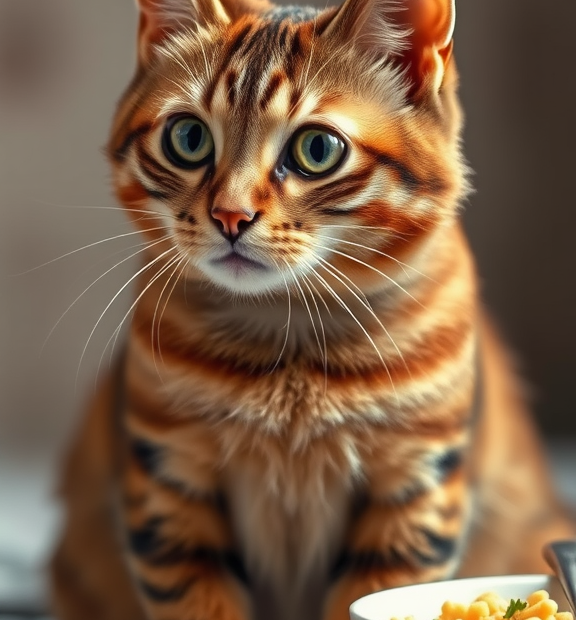
Effective Dietary Strategies to Prevent Obesity in Abyssinian Cats
Understanding Weight Management in Abyssinian Cats
Maintaining a healthy weight is crucial for Abyssinian cats, known for their lively and active nature. Unlike some other breeds, Abyssinians have a lean and muscular build that thrives on proper nutrition and regular exercise. Preventing obesity not only keeps your feline friend energetic but also reduces the risk of chronic diseases such as diabetes, arthritis, and heart problems. Understanding how to prevent obesity with a well-planned diet is the key to ensuring your Abyssinian lives a long, healthy life.
Nutritious Diet Components for Abyssinian Cats
Diet plays the most significant role in weight control. Abyssinian cats require a diet high in protein and low in carbohydrates to match their natural hunting instincts and metabolism. Protein supports muscle mass, which is essential for these active cats. When feeding your Abyssinian:
- High-Quality Protein: Choose cat foods with real meat, fish, or poultry listed as the first ingredient.
- Controlled Fat Levels: Moderate fat content helps fuel energy without contributing to excess weight.
- Limited Carbohydrates: Cats do not need many carbs, so avoid foods with excessive fillers like corn or wheat.
- Essential Nutrients: Ensure a balanced intake of taurine, vitamins, and minerals crucial for overall health.
Avoid free-feeding dry food as it often leads to overeating. Measuring portions according to your cat’s weight and activity level is ideal.
Portion Control and Feeding Schedule
Overfeeding is a common mistake that leads to obesity in Abyssinian cats. To maintain optimal weight:
- Establish Fixed Feeding Times: Serving meals two to three times a day helps regulate calorie intake.
- Measure Your Cat’s Food: Use a kitchen scale or measuring cup to avoid guesswork about how much you’re feeding.
- Adjust Portions Based on Activity: A highly playful Abyssinian may burn more calories and need slightly larger portions than a less active one.
- Avoid Table Scraps and Treats: These add unnecessary calories and can disrupt the balance of nutrients.
Choosing Between Wet and Dry Food
Both wet and dry cat foods have pros and cons when it comes to weight management:
- Wet Food Benefits: Higher moisture content promotes hydration and often contains fewer carbohydrates, making it ideal for weight control.
- Dry Food Convenience: Convenient for scheduled feeding but often higher in carbohydrates and calories.
wet food into your Abyssinian’s diet, or opting for weight-control formulas, can support healthy weight. Consult your veterinarian for recommendations tailored to your cat’s needs.
Activity and Mental Stimulation
Diet alone is not enough to prevent obesity. Abyssinians are playful and intelligent cats that require both physical and mental engagement to stay fit:
- Provide interactive toys like feather wands or laser pointers to encourage movement.
- Create climbing spaces or puzzles that motivate your cat to be active.
- Play regularly with your Abyssinian to burn off calories and reduce boredom eating.
Increased activity boosts metabolism and helps your cat maintain a healthy weight alongside the right diet.
Recognizing Early Signs of Weight Gain
Monitoring your Abyssinian’s weight regularly is essential. Early detection of weight gain can prevent obesity:
- Check for a visible waist behind the ribs.
- Ribs should be easy to feel but not excessively visible.
- Notice any increase in belly fat or difficulty in movement.
Keep a weight log and consult your vet if you notice consistent weight gain or behavioral changes related to eating or mobility.
Customizing the Diet for Special Needs
Each Abyssinian cat is unique. Factors such as age, health conditions, and activity level influence dietary needs:
- Senior Abyssinians might require fewer calories but higher protein to maintain muscle mass.
- Cats with health issues like diabetes need specialized diets under veterinary supervision.
- During weight loss programs, vet-approved therapeutic diets with controlled calorie intake can be beneficial.
Always consult your vet to tailor a feeding plan specific to your cat’s requirements.
Final Recommendations
Preventing obesity in Abyssinian cats is a combination of feeding the right diet, controlling portions, encouraging regular exercise, and staying vigilant about their weight. By prioritizing these dietary strategies, you ensure your Abyssinian remains agile, energetic, and healthy throughout their life.
Understanding the Role of Portion Control and Meal Timing for Abyssinian Cat Health
Maintaining a Balanced Diet through Portion Control
Abyssinian cats are known for their active and playful nature, which means they require a diet that supports their energy levels without leading to excess weight gain. One of the keys to keeping your Abyssinian healthy is mastering portion control. Overfeeding, even with nutrient-rich food, can quickly result in weight gain and obesity.
To practice effective portion control, it’s important to understand how much your Abyssinian cat needs each day. The ideal portion size depends on factors like your cat’s age, weight, activity level, and overall health. Generally, adult Abyssinians require approximately 20 to 30 calories per pound of body weight daily. Monitoring these calorie needs helps you measure meals precisely without guesswork.
Tips for Effective Portion Control
- Use Measuring Tools: Always measure your cat’s food using a standard measuring cup or a kitchen scale. Avoid free-feeding or guessing portion sizes, as this often leads to overfeeding.
- Divide Meals: Instead of feeding a full portion once or twice a day, divide the daily amount into smaller meals. This can help your Abyssinian stay full while preventing overeating during a single sitting.
- Adjust Regularly: Monitor your cat’s weight regularly and be ready to adjust portions based on changes in activity or life stage. Kittens, adult cats, and seniors have varying caloric requirements.
- Choose Nutrient-Dense Food: Select cat food that offers balanced nutrition with high protein and limited fillers, so your Abyssinian gets all necessary nutrients in smaller portions.
The Importance of Consistent Meal Timing
Along with portion control, timing your Abyssinian cat’s meals is vital for maintaining healthy body weight. Cats thrive on routine, and regular feeding times can prevent overeating caused by hunger spikes or boredom.
Consistent meal timing allows your cat’s metabolism to work efficiently. When you feed meals at predictable intervals, the body can better regulate energy use and reduce fat storage. For Abyssinians, feeding two to three scheduled meals daily works well in keeping metabolism steady and energy levels balanced.
An irregular feeding schedule can lead to behavioral issues like begging or scavenging for extra food, which often contributes to excess calorie intake. A structured meal plan reduces these problems and promotes healthy eating habits.
How to Implement Meal Timing
- Set a Schedule: Define fixed times for morning, afternoon, and possibly evening feedings, depending on your routine and your cat’s preferences.
- Stick to Feeding Windows: Avoid leaving food out all day. Offer meals within a 15- to 30-minute window, then remove uneaten portions to prevent grazing.
- Monitor Behavior: Pay attention to how your Abyssinian responds to meal timing. If they seem overly hungry between meals, consider adjusting portion sizes rather than adding extra feedings.
- Incorporate Playtime: Combine feeding with interactive play sessions to stimulate your Abyssinian’s natural hunting instincts. This can help regulate feeding behavior and increase their daily calorie burn.
Why These Practices Matter for Abyssinian Health
Abyssinian cats are prone to developing obesity if their energy intake surpasses their expenditure. Obesity can lead to serious health complications such as diabetes, joint problems, and reduced lifespan. By managing portion sizes and meal times carefully, you create a sustainable feeding environment that supports optimal weight.
Proper portion control ensures your Abyssinian gets the right calories without nutrient deficiencies. Meanwhile, establishing regular meal times encourages mindful eating habits and prevents the risks of overeating. Together, these strategies promote a healthy digestive system and maintain lean muscle mass, which is particularly important for Abyssinians’ natural agility.
Additional Tips to Support Healthy Weight
Besides portion control and meal timing, consider these complementary measures:
- Choose Quality Food: Select premium cat food with high protein and moderate fat content to satisfy your Abyssinian’s dietary needs.
- Limit Treats: Treats should not exceed 10% of the cat’s daily calorie intake to avoid unnecessary weight gain.
- Keep Your Cat Active: Regular play and exercise stimulate metabolism and help burn calories effectively.
- Consult Your Vet: Regular veterinary check-ups ensure your feeding plan aligns with any specific health issues or changes in metabolism.
How to Transition Your Abyssinian to New Feeding Habits
Changing portion sizes or meal timing should be done gradually to avoid stress or digestive issues in your Abyssinian. Start by slowly adjusting meal sizes over a week, reducing or increasing quantities by 10-15% every two days. Align meal times closer to your established schedule step-by-step rather than abruptly switching feeding hours.
Observe your cat’s behavior and appetite changes during this transition. If you notice signs of distress or refusal to eat, consult your veterinarian for guidance on a personalized feeding plan.
Final Thoughts on Maintaining Optimal Feeding for Abyssinians
Understanding and controlling what, when, and how much your Abyssinian cat eats is a cornerstone of good health. By practicing portion control and adhering to a consistent meal schedule, you help your feline friend avoid obesity-related complications and enjoy a fuller, more active life.
Implementing these strategies requires attention and commitment from you as a cat owner, but the rewards are well worth the effort. Your Abyssinian will thank you with vibrant energy, a sleek physique, and overall well-being that truly reflects the quality of care you provide through thoughtful feeding.
Conclusion
Preventing obesity in Abyssinian cats hinges largely on a well-planned diet and mindful feeding habits. By choosing high-quality, nutrient-rich food tailored to your cat’s unique needs, you provide the foundation for a healthy weight. effective dietary strategies ensures your Abyssinian receives balanced nutrition without unnecessary calories, supporting their playful and active nature.
Equally important is managing portion sizes and establishing consistent meal times. Overfeeding or irregular feeding schedules can easily lead to weight gain and related health issues. By controlling how much and when you feed your Abyssinian cat, you regulate their calorie intake and help maintain their ideal body condition. This balance prevents excessive fat accumulation while fueling their energetic lifestyle.
Taking these steps not only supports your Abyssinian cat’s physical health but also enhances their overall well-being. You’ll notice a more lively, happy pet with a longer, healthier life ahead. Remember, preventing obesity is an ongoing process that requires attention and commitment. With thoughtful diet choices and proper meal management, you can keep your Abyssinian cat fit, vibrant, and thriving for years to come.