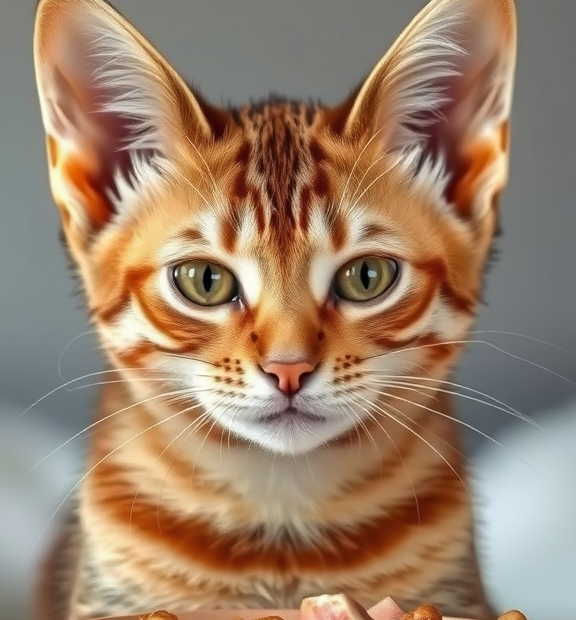
Effective Strategies to Prevent Picky Eating in Your Abyssinian Cat
Understanding the Eating Habits of Your Abyssinian Cat
Abyssinian cats are known for their playful nature and high energy, which means they require a well-balanced diet to maintain optimal health. However, many Abyssinians develop picky eating habits that can challenge even the most patient pet owners. Preventing picky eating starts with understanding why your Abyssinian might become selective about their food. Factors such as early dietary experiences, texture preferences, and even stress or environmental changes can influence their willingness to eat a variety of meals.
Being proactive is essential. By introducing diverse foods early on and ensuring a positive feeding environment, you can encourage your Abyssinian to embrace a well-rounded diet. This article provides actionable tips to help you keep your cat’s appetite varied and nutritious.
Create a Consistent Feeding Routine
One of the best ways to prevent picky eating is by establishing a consistent feeding schedule. Cats thrive on routine, and knowing when to expect meals helps reduce anxiety or fussiness around food.
- Set Fixed Meal Times: Feed your Abyssinian at the same times every day, ideally twice a day – morning and evening.
- Limit Free Feeding: Offering unlimited food may encourage finicky behavior as your cat grazes and refuses to eat full meals.
- Offer Measured Portions: Serve the right amount of food appropriate to your cat’s age, weight, and activity level to avoid overeating and maintain interest.
Introduce a Variety of Flavors and Textures Gradually
Abyssinian cats can be sensitive to new flavors and textures. To prevent picky eating, gradually expose your cat to different types of food. This helps them develop a taste for a variety of ingredients, reducing the chance they’ll reject unfamiliar dishes in the future.
- Mix Foods Slowly: If introducing new flavors or brands, mix a small amount with your cat’s current food over a week or more.
- Alternate Between Wet and Dry Food: Offering both can provide texture variety and keep meals interesting.
- Try Different Protein Sources: Protein variety such as chicken, turkey, fish, or beef may appeal to your Abyssinian’s palate.
Maintain Food Quality and Freshness
Cats are more likely to consume food that smells and tastes fresh. Poor food quality or stale meals can develop into picky eating habits because your cat avoids unenjoyable meals.
- Store Food Properly: Keep dry food in airtight containers, and refrigerate opened wet food packets to preserve freshness.
- Serve at Room Temperature: Warming food slightly can enhance its aroma and appeal, mimicking fresh prey smells.
- Check Expiry Dates: Always monitor the expiration of treats and meals to avoid feeding spoiled items.
Make Feeding Time Positive and Comfortable
Environmental factors play a large role in your Abyssinian’s willingness to eat. Avoid stressors and create a pleasant feeding space to reduce food rejection.
- Choose a Quiet Location: Avoid noisy or high-traffic areas that distract your cat during meal time.
- Use a Consistent Feeding Spot: Familiarity helps your Abyssinian feel secure and comfortable when eating.
- Minimize Stress: Keep other pets or young children away from the feeding zone to prevent interruptions.
Encourage Healthy Appetite Through Play and Interaction
Active cats tend to have stronger appetites. Engage your Abyssinian in regular play and mental stimulation, which can directly influence their desire to eat a balanced diet.
- Interactive Toys: Toys that mimic hunting behaviors can help expend energy and stimulate hunger.
- Scheduled Play Sessions: Short bursts of play before feeding encourage activity and interest in food.
- Positive Reinforcement: Reward your cat with praise or healthy treats when they try new foods to build positive associations.
Consult Your Veterinarian for Persistent Feeding Issues
If your Abyssinian continues to be overly selective despite your best efforts, it might be time to seek professional advice. Sometimes, underlying health issues such as dental problems, gastrointestinal discomfort, or allergies can cause food aversion.
- Schedule a Health Checkup: A vet can rule out physical causes that affect appetite or recommend special diets.
- Consider Nutritional Advice: Veterinarians can provide tailored feeding plans specific to Abyssinian nutritional needs.
- Address Behavioral Concerns: In some cases, consulting a feline behaviorist can offer targeted strategies to resolve picky eating.
Additional Tips to Keep Your Abyssinian Interested in Their Food
- Rotate Cat Food Brands: Introducing different brands occasionally helps prevent boredom.
- Avoid Human Food Temptations: Feeding scraps can lead to refusal of their specialized cat food.
- Use Puzzle Feeders or Food Dispensers: Making mealtime interactive enhances stimulation and food motivation.
By applying these strategies, you can successfully prevent picky eating in your Abyssinian cat. Patience and consistency are key. Fostering good feeding habits early on will improve your cat’s health, happiness, and your shared relationship for years to come.
Understanding the Nutritional Needs of Abyssinians to Promote Healthy Eating Habits
Essential Nutrients for Abyssinian Cats
Abyssinians are active, intelligent cats with unique nutritional needs that support their high energy levels and overall health. Feeding your Abyssinian a balanced diet rich in essential nutrients ensures they stay vibrant and strong. Key nutrients include:
- Protein: As obligate carnivores, Abyssinians require a diet high in animal-based proteins. Proteins are vital for muscle development, tissue repair, and maintaining energy. Look for quality sources like chicken, turkey, or fish in your cat’s food.
- Fats: Healthy fats provide concentrated energy and support skin and coat health. Omega-3 and omega-6 fatty acids are especially important, aiding in maintaining that sleek, shiny coat typical of Abyssinians.
- Vitamins and Minerals: Vitamins such as A, D, E, and B-complex, along with minerals like calcium, phosphorus, and taurine, play crucial roles in vision, bone health, immune function, and heart health.
- Water: Hydration is often overlooked but essential to support kidney function and digestion. Wet food or fresh water access is vital, especially if your Abyssinian primarily eats dry kibble.
Choosing the Right Diet
Your Abyssinian’s diet should mirror their natural nutritional preferences and physiological needs. Since Abyssinians are more athletic and active than many other breeds, their diet must provide sufficient calories without compromising quality.
Commercial cat foods come in three main types: dry kibble, wet canned food, and raw or homemade diets. Each has pros and cons, but ensuring the diet includes high-protein and moderate fat content will always benefit your Abyssinian.
Tips to Select Food for Your Abyssinian
- Check the ingredient list for named animal proteins like chicken, lamb, or fish listed as the first ingredient.
- Avoid foods with excessive fillers such as corn, soy, or wheat, which can dilute nutrient density and may contribute to picky eating.
- Opt for brands with veterinary approval or those specifically formulated for active or indoor cats to meet your Abyssinian’s energy demand.
Understanding Unique Feeding Behaviors
Abyssinians can sometimes show selective eating habits or be picky about textures and flavors. This picky behavior often stems from their sensitive taste buds and instinctual preferences. Offering a variety of food textures (wet, dry, soft) encourages more enthusiasm about mealtime while helping to introduce essential nutrients.
Keeping a consistent feeding schedule and gradually introducing new foods can prevent eating issues. Introducing new flavors alongside favorite foods ensures smoother acceptance and reduces refusal.
Balancing Homemade and Commercial Diets
Many owners of Abyssinians prefer supplementing commercial diets with homemade meals. If you choose this approach, balance is key. Consult a veterinarian or pet nutritionist to formulate recipes that make sure your Abyssinian receives all necessary nutrients without risking deficiencies.
High-protein homemade meals typically include cooked meats, small amounts of vegetables, and supplements like taurine or omega oils. Avoid common toxic ingredients like onions, garlic, or grapes in homemade recipes.
Sample Nutrient-Rich Homemade Meal Ideas
- Boiled chicken mixed with a small portion of steamed pumpkin and a dash of fish oil.
- Ground turkey combined with cooked carrots and a taurine supplement.
- Canned sardines (in water) served occasionally as a protein-rich treat.
Addressing Common Nutritional Challenges
Sometimes Abyssinians might develop issues like weight fluctuations or sensitivities that impact their nutritional health. Overweight cats can develop joint problems or diabetes, while underweight cats may suffer from low energy and poor coat condition.
To manage these challenges effectively:
- Monitor your cat’s weight weekly and adjust food portions accordingly.
- Ensure regular physical activity to maintain muscle tone and stimulate appetite.
- Watch for signs of food allergies or intolerances such as vomiting, diarrhea, or skin irritation, and switch to hypoallergenic formulas if needed.
- Provide fresh water at all times to prevent urinary tract problems.
Using Treats Wisely to Support Nutrition
Treats can motivate your Abyssinian and enrich their diet, but they should never replace balanced meals. Healthy treats include tiny bits of cooked meat or commercial cat treats marked as healthy options high in protein and low in carbohydrates.
Avoid feeding too many treats as this can cause imbalanced nutrition and weight gain. Limiting treats to no more than 10% of daily caloric intake strikes a good balance.
Final Thoughts on Nourishing an Abyssinian
Understanding and catering to your Abyssinian’s nutritional needs fosters vital health benefits such as shiny coats, sharp minds, and energetic playfulness. By focusing on high protein, balanced fats, and essential vitamins while accommodating their eating preferences, you promote a longer, happier life for your feline friend.
Regular veterinary check-ups combined with attentive feeding practices allow you to tailor their diet as they age or face special health conditions. With these tips, meal times become more enjoyable for you and your Abyssinian, ensuring they thrive at every stage of life.
Conclusion
Preventing picky eating in your Abyssinian cat requires a thoughtful approach that combines effective strategies with a deep understanding of their unique nutritional needs. By offering a variety of high-quality, balanced foods and gradually introducing new tastes and textures, you can encourage your cat to develop healthy eating habits. Remember, patience is key—consistent meal times and a calm feeding environment help your Abyssinian feel comfortable and secure around mealtime.
Understanding the specific dietary requirements of Abyssinians is vital to supporting their active lifestyle and maintaining their sleek coat and robust health. Ensuring your cat receives essential proteins, fats, vitamins, and minerals lays the foundation for a diet that appeals to their natural instincts and keeps them satisfied. By prioritizing nutrition tailored to your Abyssinian’s needs, you reduce the risk of selective eating and promote overall well-being.
Ultimately, preventing picky eating is about creating a positive and nurturing feeding routine that respects your cat’s preferences while guiding them toward nutritious choices. When you combine these targeted strategies with knowledge of your Abyssinian’s dietary needs, you set the stage for a happy, healthy pet who looks forward to every meal. With dedication and the right approach, picky eating can become a thing of the past, allowing your Abyssinian to thrive for years to come.