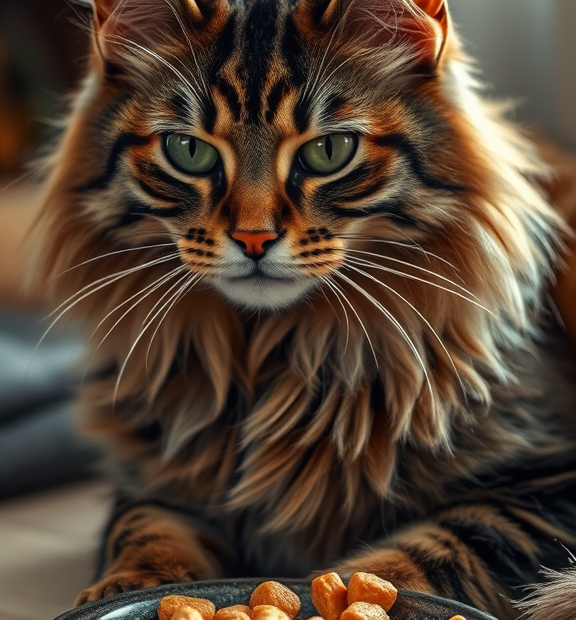
Effective Techniques to Solve the Maine Coon Cat Eat Problem Without Stress
If you have a Maine Coon cat, you may have noticed that getting them to eat well can sometimes be a challenge. This breed is known for its large size and hearty appetite, but solving eating problems without stressing either of you requires understanding, patience, and the right approach. Whether your Maine Coon is a picky eater, eating too fast, or showing signs of food anxiety, there are effective ways to handle these issues calmly and confidently.
Understanding Your Maine Coon’s Eating Habits
Maine Coons are unique in their eating behavior. They often enjoy routine and may show preferences for certain textures and flavors. Before attempting any changes, observe your cat’s usual eating pattern. Do they eat quickly or slowly? Are they hesitant to try new foods? Understanding these preferences helps tailor solutions that fit their needs.
Creating a Calm Eating Environment
Cats are sensitive to their surroundings, especially during mealtime. Stress can cause loss of appetite or overeating. Make sure to feed your Maine Coon in a quiet area where they won’t be disturbed by loud noises or other pets. A secure and peaceful space encourages relaxed eating.
Using Portion Control to Reduce Overeating or Food Anxiety
Large breeds like the Maine Coon can sometimes eat too fast, leading to digestive problems or choking. To prevent this, break their meals into smaller portions throughout the day. Instead of leaving a full bowl of food all day, offer 3 to 4 smaller meals. This method controls calorie intake and helps your cat develop a healthier routine.
- Serve fresh food portions multiple times a day.
- Remove uneaten food after 20-30 minutes.
- Use slow-feeder bowls or puzzle feeders to encourage slower eating.
Encouraging a Balanced Diet for Maine Coons
Providing a nutritious diet tailored to your Maine Coon’s lifestyle is essential. These cats need a diet rich in protein and fat to maintain their large muscles and energy levels. Introduce high-quality wet and dry food formulas designed for large breed cats. If your cat is a picky eater, try mixing wet food with a small amount of dry kibbles or warming wet food slightly to enhance aroma and appeal.
Using Positive Reinforcement to Build Good Habits
Training your Maine Coon to eat calmly can involve rewarding good behavior. When your cat eats quietly or waits patiently, offer a gentle pet, soft praise, or a small treat. This positive reinforcement makes mealtime enjoyable and encourages repetition of these stress-free habits. Avoid punishment or loud corrections, as these can increase anxiety around feeding times.
Monitoring Health and Seeking Veterinary Advice
Sometimes eating problems can signal health concerns like dental issues, digestive problems, or even stress-related illnesses. If your Maine Coon suddenly stops eating or shows extreme fussiness, consult a vet promptly. A professional assessment ensures there are no underlying medical problems interfering with their appetite.
Maintaining Consistency with Feeding Times
Cats thrive on routine, and Maine Coons are no exception. Feeding your cat at the same times each day helps regulate their hunger and reduces stress from unpredictability. Use a regular schedule so your Maine Coon knows when to expect their next meal. This structure supports steady eating habits, benefiting both you and your pet.
Tips to Keep You and Your Cat Stress-Free During Mealtime
- Avoid changing your cat’s food suddenly; transition gradually over a week.
- Keep feeding dishes clean to prevent food aversion due to odors.
- Ensure fresh water is always available to aid digestion.
- Watch for signs of boredom or disinterest, and offer meal-time playtime to stimulate appetite.
- Stay patient, and remember that some Maine Coons may take time to adjust to new feeding practices.
By paying close attention to your Maine Coon’s habits and needs, fostering a calm feeding environment, and using thoughtful techniques to manage portions and behavior, you can effectively solve eating issues without added stress. This balanced approach not only improves your cat’s health but also strengthens the bond between you and your furry friend, making mealtime a peaceful, enjoyable part of your day.
Understanding Maine Coon Eating Habits and How to Create a Calm Feeding Routine
Maine Coon cats are known for their friendly personalities and impressive size, but they also have distinctive eating habits that can puzzle many pet owners. Understanding these natural behaviors is the first step to creating a feeding routine that keeps both you and your feline companion calm and happy during mealtime. Tailoring your approach to their unique needs can prevent stress and improve their overall well-being.
Recognizing Natural Eating Patterns of Maine Coons
Unlike some cats that prefer small, frequent meals, Maine Coons often enjoy a more leisurely eating style. Their large size means they require a balanced diet with enough calories to sustain their energy, but this doesn’t mean they eat quickly or hurry through meals. In fact, rushing a Maine Coon during feeding time can create anxiety, leading to overeating or food guarding behaviors.
Maine Coons are also known for being curious and playful around their food bowls. They may paw at food, nudge pieces around, or even take breaks between bites. This natural interaction with food reflects their instinctive hunting and foraging behaviors, which they still display even in a domestic setting.
Key Factors to Consider for a Calm Feeding Routine
To design a routine that soothes your Maine Coon during meals, consider these essential elements:
- Consistent Meal Timing: Setting regular feeding times helps your Maine Coon anticipate meals without stress. Aim for two to three meals daily, spacing them evenly. Consistency turns mealtime into a calmer, expected event.
- Quiet, Comfortable Space: Choose a calm area away from loud noises or household traffic. Maine Coons appreciate a peaceful environment when eating to feel safe and relaxed.
- Appropriate Portion Sizes: Oversized meals may overwhelm your cat, while small, frequent meals can help maintain energy levels without causing urgency to eat quickly.
- Slow Feeding Bowls or Puzzle Feeders: These tools prevent gulping and encourage natural hunting instincts, making mealtime engaging and stress-free.
Techniques to Prevent Feeding Stress in You and Your Maine Coon
Meal times can become stressful for both you and your Maine Coon if food-related issues arise. Here are practical strategies to eliminate tension:
- Observe and Adjust: Watch your cat’s reactions during feeding. If they appear anxious or aggressive, try modifying meal size, feeding location, or the type of food offered.
- Avoid Competition: If you have multiple pets, feeding them separately reduces stress. Maine Coons can be territorial about food, so dedicated feeding spots help avoid conflicts.
- Positive Reinforcement: Reward calm behavior during meals with gentle praise or a small treat. This helps your Maine Coon associate feeding time with positive experiences.
- Stick to a Routine: Inconsistent schedules can create anxiety. Keep feeding times and methods uniform.
The Role of Diet Quality and Hydration
Feeding your Maine Coon high-quality food tailored to their size and activity level is crucial. Look for diets rich in protein, moderate fats, and essential vitamins to support their muscular build and luxurious coat. Avoid fillers or low-nutrient options, which might cause frustration or picky eating behaviors.
Fresh water should be readily available at all times. Maine Coons, like many cats, can sometimes be reluctant to drink enough water, so consider a cat water fountain which can encourage hydration by simulating moving water. Proper hydration aids digestion, which in turn can promote a calm and comfortable eating experience.
Encouraging Mindful Eating Habits
mindfulness during feeding can calm an active Maine Coon. Try to minimize distractions by turning off televisions or loud music during meal time. Sit quietly nearby so your cat feels your gentle presence without pressure. Slow, steady feeding helps your cat consume food mindfully, reducing the risk of overeating and digestive problems.
Using puzzle toys or spreading kibble around a larger surface allows your cat to ‘hunt’ their meal bit by bit. This approach satisfies their natural instincts and prevents boredom. The added mental and physical stimulation reduces mealtime stress and encourages a healthier appetite.
Signs That Your Feeding Routine Might Need Tweaking
Pay attention to your Maine Coon’s behavior to ensure your current feeding routine works well:
- Reluctance to eat or sudden refusal of food.
- Eating too fast or gulping, leading to choking or vomiting.
- Aggression or anxiety around the food bowl.
- Excessive meowing or pacing before meals.
If you notice any of these warning signs, reassess your feeding environment, schedule, or diet. Sometimes, consulting with a veterinarian or feline nutrition expert can provide personalized advice for your Maine Coon’s needs.
By understanding your Maine Coon’s natural eating tendencies and creating a calm, structured feeding routine, you foster a peaceful environment that benefits both you and your cat. Well-planned mealtime rituals replace frustration with enjoyment, making feeding times a bonding opportunity rather than a source of stress.
Conclusion
Tackling the Maine Coon cat eat problem without adding stress to your daily routine is entirely achievable by using the right strategies. By understanding your Maine Coon’s unique eating habits, you can create a calm, structured feeding routine that both you and your furry friend will appreciate. Consistency in mealtime schedules, portion control, and providing a quiet feeding area all contribute to reducing anxiety around eating.
Employing effective techniques like interactive feeders or timed pudding bowls can also help manage your Maine Coon’s eating behavior in a stress-free way. Remember, these gentle approaches not only solve the eating challenges but also build trust and comfort between you and your cat. The key is to stay patient and observant, adjusting the routine as needed to suit your cat’s preferences and needs.
By focusing on a calm feeding routine and understanding the natural habits of your Maine Coon, you’ll find mealtimes become smoother and more enjoyable for both of you. This reduces stress and promotes healthier eating patterns, ultimately supporting your cat’s wellbeing and your peace of mind. With these insights and methods, the Maine Coon cat eat problem becomes a manageable part of your shared life, allowing you to focus on creating joyful, stress-free moments together.