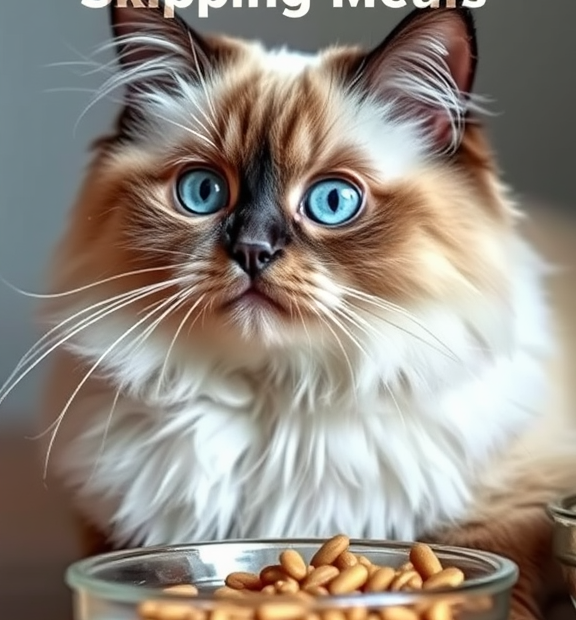
Effective Strategies to Prevent Your Ragdoll Cat from Skipping Meals or Losing Appetite
Understanding Why Your Ragdoll Cat May Skip Meals
Ragdoll cats are known for their gentle and affectionate nature, but even these easygoing felines can sometimes lose interest in food. It’s important to recognize that if your Ragdoll cat is skipping meals or losing appetite, it may signal an underlying issue. This behavior could result from stress, changes in the environment, health concerns, or even the type of food being offered. By identifying the reasons behind your cat’s reduced interest in eating, you can take effective steps to encourage a healthier feeding routine.
Signs That Your Ragdoll Cat is Losing Appetite
Knowing the signs of appetite loss lets you respond quickly. Keep an eye out for:
- Refusing food for more than 24 hours
- Weight loss or noticeable thinner appearance
- Lethargy or lack of energy
- Excessive hiding or behavioral changes
- Vomiting or diarrhea
If any of these symptoms accompany the skipped meals, a veterinary check-up is crucial right away to rule out medical causes.
Optimize the Feeding Environment
Your Ragdoll’s eating habits can improve greatly by making mealtimes more comfortable and enjoyable. Cats are creatures of habit and can be sensitive to their surroundings. Here’s what to do:
- Choose a Quiet Feeding Spot: Place your cat’s food bowl in a calm area away from loud noises, heavy foot traffic, or other pets. This allows your Ragdoll to eat without feeling threatened or anxious.
- Use the Right Bowl: Shallow bowls or wide dishes prevent whisker fatigue, which happens if their sensitive whiskers brush against the sides. Whisker fatigue can cause cats to avoid eating.
- Consistent Feeding Schedule: Feed your Ragdoll at the same times daily. Consistency helps their body expect when food is available and keeps hunger cycles stable.
- Fresh Water Access: Always keep fresh water near the feeding area. Proper hydration supports digestion and overall appetite.
Enhance Food Appeal With Texture and Flavor
Ragdoll cats can be picky eaters, so variety and palatability matter. Here are tactical ways you can make mealtime more enticing:
- Rotate Flavors and Textures: Alternate between wet and dry food, as well as different protein sources like chicken, fish, or turkey. This prevents boredom and stimulates their taste buds.
- Warm the Food Slightly: Warmed food releases aromas that attract cats. Just heat it gently to body temperature—avoid overheating.
- Add Toppers or Broth: Mixing small portions of high-quality wet food or low-sodium broth can encourage reluctant eating.
- Serve Fresh Food: Stale or old food quickly turns cats off. Always provide fresh meals and clean your cat’s bowls regularly.
Address Stress and Behavioral Factors
Stress can cause your Ragdoll to skip meals and lose appetite surprisingly fast. Common stressors include:
- Changes in routine or environment
- New pets or family members
- Loud noises such as construction or fireworks
To calm your furry friend:
- Create a Safe Space: Provide cozy, quiet areas where your cat can retreat to feel secure.
- Maintain Routine: Stick to regular feeding and playtime schedules as much as possible to reduce anxiety.
- Use Calming Products: Consider feline pheromone diffusers or sprays which can ease stress and help your cat feel relaxed around mealtime.
Monitor Health and Seek Veterinary Care
If your Ragdoll persistently refuses food, it’s important not to ignore the problem. Dietary refusal may indicate underlying health issues such as dental problems, infections, gastrointestinal disorders, or metabolic diseases.
Watch for these warning signs:
- Bad breath or drooling (possible dental trouble)
- Frequent vomiting or diarrhea
- Sudden weight loss despite eating small amounts
- Lethargy or unusual behavior
Schedule regular vet visits and keep your cat’s vaccinations and preventive treatments up to date. A vet may run tests or recommend appetite stimulants when necessary.
Engage Your Ragdoll with Play and Attention
Sometimes, improving your Ragdoll’s appetite comes down to their general wellbeing. These cats thrive on human interaction and stimulation. A playful session before mealtime can boost their mood and interest in food.
Tips include:
- Use interactive toys like feather wands or laser pointers
- Offer gentle petting and praise to build positive associations
- Maintain an active but calm environment to keep your cat mentally engaged
By nurturing a bond filled with love and play, you motivate your Ragdoll to eat well and maintain a healthy appetite.
Implementing Patience and Observation
Changes in eating habits sometimes require time to correct. Be patient and keep detailed notes on what causes your Ragdoll to skip meals or improve eating habits. Highlight what foods and environments encourage eating. If you notice persistent or worsening symptoms, don’t hesitate to seek professional help.
By staying attentive and proactive, you ensure your Ragdoll enjoys a healthy diet, which keeps them happy and thriving.
Identifying Common Causes Behind Appetite Loss in Ragdoll Cats and How to Address Them
Understanding Appetite Loss in Ragdoll Cats
Ragdoll cats are known for their gentle temperament and beautiful, silky coats. When these affectionate felines suddenly skip meals or lose their appetite, it can raise concern for any cat owner. Recognizing the underlying causes behind this behavior is crucial for maintaining your Ragdoll’s health and well-being. Appetite loss can stem from various reasons, ranging from medical issues to environmental changes or even stress.
Medical Causes That Affect Feeding Habits
One of the primary reasons a Ragdoll cat may stop eating is due to health problems. It’s important to monitor your cat for any signs of illness or discomfort, which often manifest as reduced interest in food.
Common health conditions include:
- Dental Problems: Painful gums, broken teeth, or oral infections can make chewing difficult. Cats with dental issues often avoid dry or hard food.
- Gastrointestinal Disorders: Conditions like gastritis, constipation, or inflammatory bowel disease may cause nausea, reducing appetite.
- Kidney Disease: Chronic kidney problems can lead to loss of appetite and weight loss in cats.
- Upper Respiratory Infections: Congestion can affect a cat’s sense of smell and taste, making food less appealing.
- Parasites: Intestinal parasites can cause discomfort and suppress hunger.
If you suspect your Ragdoll may be ill, a prompt veterinary visit is essential. Early diagnosis and treatment often improve outcomes significantly.
Stress and Environmental Factors Impacting Eating Behavior
Ragdolls are sensitive to changes in their environment or routine. Stress can subtly affect their eating habits. Common environmental triggers include:
- New Surroundings: Moving to a new home or rearranging familiar spaces can unsettle a cat.
- Introduction of New Pets: The presence of unfamiliar animals may cause anxiety or rivalry, leading to skipped meals.
- Loud Noises or Frequent Visitors: Excessive noise or disruptions can make your cat reluctant to eat.
- Changes in Feeding Schedule: Altering feeding times or types of food without gradual adaptation may discourage eating.
Providing a calm, consistent feeding environment and maintaining familiar routines helps Ragdolls feel secure and more willing to eat.
Tips to Encourage Eating and Manage Appetite Loss in Ragdoll Cats
When your cat refuses to eat, it’s important to promote appetite by making mealtime as inviting as possible. Here are practical strategies you can use:
- Offer Fresh and Warmed Food: Slightly warming your cat’s food can enhance its aroma, enticing your Ragdoll to eat. Always check the temperature to avoid discomfort.
- Try Different Textures and Flavors: Experiment with wet and dry food, pâté, or shredded options. Sometimes, dietary preferences may vary over time.
- Maintain Clean Feeding Bowls: Regularly wash food and water dishes to avoid off-putting smells or residues.
- Hand Feeding: Gently offering food by hand can comfort anxious cats and encourage eating.
- Enhance Palatability: Adding a small amount of tuna juice, chicken broth (unsalted), or commercial appetite stimulants may boost interest.
- Feed Small, Frequent Meals: Providing smaller portions throughout the day can be less overwhelming and easier to manage for some cats.
When Appetite Loss Requires Immediate Attention
While occasional skipping of meals might not be alarming, prolonged appetite loss in a Ragdoll cat demands prompt attention to avoid serious health complications such as hepatic lipidosis (fatty liver disease). Seek veterinary care if you observe any of the following:
- Complete refusal to eat for more than 24-48 hours
- Other symptoms like lethargy, vomiting, diarrhea, or weight loss
- Signs of pain or difficulty eating
- Sudden behavioral changes
Timely intervention will help identify whether the cause is medical or environmental, allowing for effective treatment and care.
Supporting Your Ragdoll’s Nutrition and Health
Routine health checks are vital to detect issues early. Working with your vet, you can create a nutritional plan tailored to your Ragdoll’s age, health status, and preferences. Balanced nutrition supports immune function and overall vitality, reducing the risk of appetite issues.
Remember, addressing your cat’s appetite loss means observing closely, responding with empathy, and providing a stable, nurturing environment. This way, your cherished Ragdoll can continue to enjoy healthy meals and a happy life alongside you.
Conclusion
Helping your Ragdoll cat maintain a healthy appetite is essential for their overall well-being. By using effective strategies—such as providing a consistent feeding schedule, offering a variety of tasty and nutritious foods, and creating a calm and inviting mealtime environment—you can encourage your cat to eat regularly and enjoy their meals. It’s equally important to pay close attention to any changes in your cat’s eating habits, as these can be early signs of underlying health issues or stress.
Understanding the common causes behind a Ragdoll cat’s appetite loss helps you take timely action. Whether it’s an illness, dental problems, environmental changes, or emotional distress, addressing these root causes promptly can often restore your cat’s interest in food. Regular veterinary check-ups and close observation are key to spotting problems early before they become serious.
Remember, your Ragdoll relies on you to notice subtle shifts in their behavior and appetite. By combining a loving approach with practical techniques to support their eating habits and identifying any potential issues quickly, you’ll keep your furry friend happy, healthy, and well-nourished for years to come. Staying patient and attentive goes a long way when helping your Ragdoll embrace mealtimes with eagerness once again.