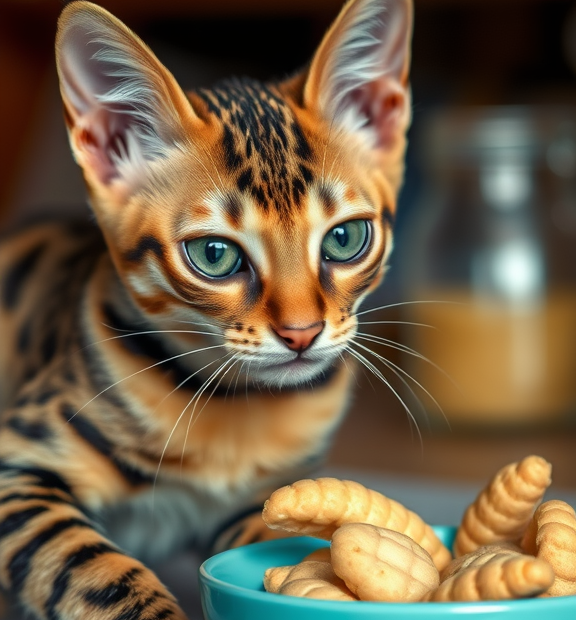
Understanding Why Your Bengal Cat May Stop Eating and How to Identify the Signs
When your Bengal cat suddenly stops eating, it can be alarming and confusing. Understanding the reasons behind this behavior is crucial because a loss of appetite in cats is often a sign of an underlying issue. Bengal cats are known for their active and curious nature, which generally comes with a healthy appetite. However, when they refuse food, it’s important to observe closely and identify the causes early.
Common Reasons Why Bengal Cats Refuse Food
There is a range of potential factors that may cause your Bengal cat to stop eating. Identifying the correct reason can help you address the problem effectively:
- Illness or Pain: Cats are natural hideaway animals when sick or in pain. Dental problems, gastrointestinal issues, infections, or even more serious conditions like kidney disease can disrupt appetite.
- Stress and Anxiety: Changes in the environment, such as moving to a new house, new pets, visitors, or loud noises, can make your Bengal anxious, causing a decrease in food intake.
- Food Preferences or Changes: Bengal cats can be picky eaters. Switching to a new type of food abruptly or having stale or spoiled food could lead to refusal.
- Temperature and Weather: Like humans, cats might eat less during hot weather or feel more lethargic and disinterested in food when it’s cold.
- Medication Side Effects: If your Bengal is on medication, some drugs may reduce appetite temporarily.
How to Spot the Signs Your Bengal Cat Isn’t Eating Enough
Recognizing the early signs can prevent serious health outcomes. Bengal cats that lose their appetite will typically exhibit several noticeable behaviors and symptoms:
- Leftover Food: Notice if your cat leaves its food bowl untouched or eats less than usual.
- Weight Loss: Gradual or sudden weight loss is an important indicator your cat isn’t eating adequately.
- Lethargy: A lack of appetite often comes with lower energy levels and reduced playfulness.
- Vomiting or Diarrhea: Digestive issues can cause eating aversion and discomfort.
- Changes in Grooming: Bengal cats that are unwell might stop grooming themselves, leading to a dull coat or oily fur.
- Behavioral Shifts: Increased hiding, aggression, or vocalization can be signs of distress affecting appetite.
Steps You Can Take to Encourage Your Bengal Cat to Eat
If your Bengal cat is not eating, there are several steps you can try to stimulate a return to regular feeding habits:
- Check the Food Quality: Always provide fresh, high-quality food suited for Bengals’ dietary needs. Try offering small amounts of wet food if they usually eat dry food, which can be more enticing and easier to eat.
- Keep Feeding Areas Clean: Cats are sensitive to cleanliness, so wash bowls regularly and ensure feeding spots are quiet and comfortable.
- Maintain a Consistent Feeding Schedule: Bengals are creatures of habit; feeding them at the same times daily may encourage better eating routines.
- Encourage Hydration: Sometimes cats reduce eating because they are dehydrated. Providing fresh water or cat-safe broth can stimulate appetite.
- Minimize Stress: Create a calm environment by reducing loud noises and avoiding sudden changes. Spend quality time playing or cuddling your Bengal to ease anxiety.
When to Seek Veterinary Care
If your Bengal cat stops eating for more than 24 to 48 hours or shows additional symptoms like vomiting, diarrhea, or weakness, it’s vital to consult your veterinarian immediately. Cats can develop hepatic lipidosis (a dangerous liver condition) from prolonged food refusal, which requires urgent treatment.
During the vet visit, be prepared to provide information about your cat’s recent activities, diet changes, and any noticeable symptoms. The vet may perform blood tests, dental exams, or imaging to diagnose the root cause and recommend an appropriate treatment plan.
Early Attention Can Make a Big Difference in Your Bengal’s Health
Understanding why a Bengal cat stops eating and recognizing the signs early allows you to act promptly and keep your feline friend in good health. Consistent care, attention to environmental factors, and proper nutrition are key to maintaining your Bengal’s appetite and overall well-being.
Remember, your proactive approach can help prevent serious health complications and ensure your Bengal continues to thrive with a happy, healthy appetite.
Effective Tips and Solutions to Encourage Your Bengal Cat to Eat Again
Understanding Why Your Bengal Cat May Refuse to Eat
When your Bengal cat suddenly stops eating, it can be worrying. Bengals are known for their energetic temperament and strong appetites, so a lack of interest in food usually signals an issue. Loss of appetite may result from stress, dental problems, illness, changes in environment, or even picky eating habits. Recognizing the root cause is key to helping your Bengal regain its appetite and maintain good health.
Common Causes of Appetite Loss in Bengal Cats
- Health Issues: Conditions such as dental disease, infections, kidney problems, and gastrointestinal upset can make eating uncomfortable or painful.
- Stress and Anxiety: Bengals are sensitive and may stop eating when they experience stress from moving homes, new pets, or changes in routine.
- Food Preferences: Bengals are sometimes fickle eaters and may reject food that is stale, lacks flavor, or does not meet their texture preferences.
- Environmental Factors: Dirty feeding areas, unsuitable feeding bowls, or noisy surroundings can also discourage eating.
Practical Tips to Encourage Your Bengal Cat to Eat Again
1. Check for Medical Problems Promptly
If your Bengal cat is not eating for more than 24 hours, a veterinary checkup is essential. Health issues like tooth pain, infections, or digestive problems require professional attention. Early diagnosis helps prevent complications and ensures your cat receives appropriate treatment.
2. Enhance Food Appeal
Make mealtime tempting by improving the taste and smell of your Bengal cat’s food. You can:
- Warm wet food slightly to release enticing aromas.
- Mix in a small amount of tuna juice or low-sodium broth.
- Try different textures such as pâté, chunks in gravy, or minced food to find what your cat prefers.
3. Maintain a Calm Feeding Environment
Bengal cats thrive in a peaceful setting. Place the food bowls in a quiet area away from loud noises, other pets, or high traffic zones. Clean bowls regularly to prevent off-putting smells. A calm environment helps reduce stress and encourages consistent eating habits.
4. Offer Small, Frequent Meals
Instead of leaving large portions out, serving smaller amounts multiple times a day can keep food fresh and manageable for your cat. Frequent meals also stimulate appetite and prevent your Bengal from feeling overwhelmed by large quantities.
5. Stick to a Routine
Cats love routine. Feed your Bengal at the same times every day to create a predictable schedule. Consistency promotes comfort and can positively impact eating behavior.
6. Use Interactive Feeding Toys
Interactive feeders or puzzle toys can make mealtime more engaging and fun. Bengals are intelligent and active cats who enjoy mental stimulation. Using feeding toys simulates hunting behavior, which can increase excitement about food and encourage your cat to eat.
The Role of Hydration and Nutrition Balance
Ensuring your Bengal cat stays hydrated is as important as encouraging eating. Wet food naturally provides moisture, but always have fresh water available. Dehydration can reduce appetite and worsen health problems.
Also, make sure the chosen food meets all nutritional needs. Bengals require a diet rich in protein and certain nutrients to support their active lifestyle. Consult your vet about high-quality commercial diets or appropriate homemade options.
When to Seek Veterinary Care
If your Bengal cat refuses food for more than two days, shows signs of lethargy, vomiting, diarrhea, or weight loss, it’s critical to consult a veterinarian immediately. Prolonged anorexia can lead to serious complications such as hepatic lipidosis (fatty liver disease), which is life-threatening if untreated.
Additional Tips to Consider
- Dental Care: Regularly check and clean your Bengal’s teeth. Dental pain is a common reason for food refusal.
- Food Variety: Bengals can be finicky, so introduce new flavors or brands slowly and in combination with preferred food to avoid rejection.
- Monitor Behavior: Observe any changes in mood or activity levels that may indicate underlying issues impacting appetite.
- Eliminate Toxic Exposure: Ensure your pet isn’t exposed to toxic plants, chemicals, or spoiled food that could cause illness.
By paying attention to these tips and understanding the reasons behind your Bengal cat’s appetite loss, you can take effective steps to encourage eating and promote their health. Always act promptly when you notice changes and stay proactive in maintaining your Bengal’s nutrition and well-being. Your attentive care will help your Bengal feel comfortable, energized, and happy once again.
Conclusion
Noticing that your Bengal cat is not eating can be worrying, but understanding the possible reasons and recognizing the early warning signs puts you in a stronger position to help. Whether it’s stress, illness, a change in food, or dental issues, identifying what’s causing your Bengal’s loss of appetite is the first step toward finding the right solution. Pay close attention to behavior changes, lethargy, or physical symptoms, as these clues will guide you in addressing the root cause.
Encouraging your Bengal cat to eat again often requires a combination of patience and practical strategies. Simple changes, like offering fresh, high-quality food or warming meals slightly to enhance aroma, can make a big difference. Ensuring a calm and quiet feeding environment reduces stress that may be suppressing appetite. If diet preferences are an issue, gradually introducing new flavors or textures may rekindle your cat’s interest in food.
Remember, your Bengal’s health is closely linked to proper nutrition, so if you’ve tried these tips and your cat still refuses to eat, it’s essential to consult your vet promptly. This proactive approach not only ensures your Bengal’s wellbeing but also strengthens the bond you share. By being attentive and responsive, you provide the best care possible, helping your beloved Bengal cat get back to their happy, energetic self.