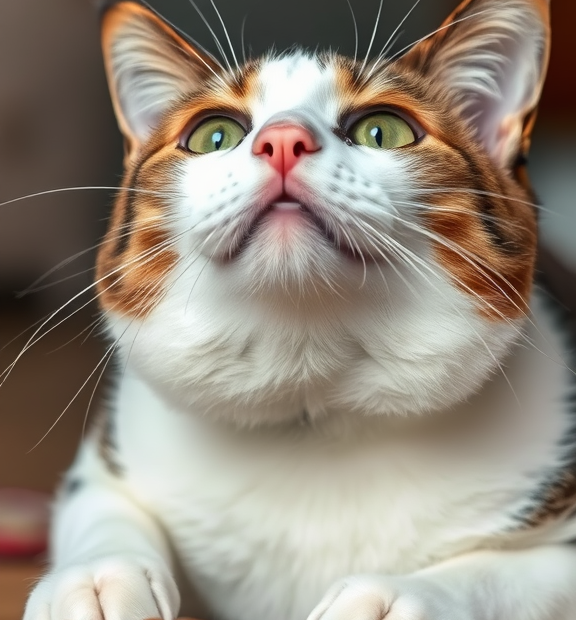
Is Your Cat Turning Up Its Nose? How Smalls Cat Food Can Rekindle Their Appetite
Why Is Your Cat Turning Up Its Nose at Food?
It’s frustrating when your cat suddenly refuses their meals or seems uninterested in food. Cats are known for being picky eaters, but a sudden loss of appetite can signal a range of issues. Sometimes, it’s a sign of stress, changes in the environment, or even health problems. Other times, it could simply be that your cat has grown tired of their current food. Identifying the reason can be tricky, but understanding your cat’s preferences and nutritional needs is key to encouraging them to eat again.
Understanding Your Cat’s Taste and Dietary Needs
Cats have unique dietary requirements and are often more sensitive to the texture, aroma, and flavor of their food compared to dogs or humans. They prefer foods that are fresh, moist, and packed with natural flavors. When cats turn up their noses, it often means their current food isn’t meeting those sensory expectations. Additionally, cats are obligate carnivores, meaning their diet must primarily consist of high-quality animal proteins. Foods that lack sufficient protein or have fillers can discourage them from eating.
What Sets Smalls Cat Food Apart?
Smalls Cat Food stands out in the pet food market by addressing many reasons why cats reject their meals. The brand focuses on:
- Fresh Ingredients: Smalls uses whole, fresh proteins like chicken, turkey, and beef sourced from trusted farms. The freshness impacts taste and aroma, making meals more enticing.
- Custom Nutrition: Smalls offers tailored meal plans based on your cat’s age, weight, and dietary needs, ensuring they receive optimal nutrition.
- Minimal Processing: By cooking food gently and avoiding heavy preservatives or fillers, Smalls preserves natural palatability.
- Balanced Recipes: Their meals include essential vitamins and minerals necessary for cats’ health, supporting overall well-being, which can increase appetite.
How Smalls Cat Food Can Reignite Your Cat’s Interest in Mealtime
When cats refuse to eat, introducing Smalls can make a big difference. Here’s how this food can help:
- Appealing Aroma and Texture: Smalls meals have natural, savory scents and come in varied textures such as pate or shredded meat, catering to your cat’s preferences.
- Freshness in Every Bite: The commitment to fresh ingredients means the food tastes more like real meat, which cats find hard to resist.
- Compatibility with Sensitive Stomachs: Many cats who turn away from food do so because their stomachs are upset. Smalls formulas are gentle and easy to digest, helping to bring back their enthusiasm.
- Gradual Transition Options: Smalls offers guidance on mixing their food with your cat’s current diet, making the change smooth and less stressful.
Tips for Encouraging Your Cat to Eat Smalls Cat Food
Even with premium food, some cats need a little encouragement. Here are some strategies that improve acceptance:
- Warm the Food Slightly: Heating Smalls cat food to just above room temperature enhances smell and palatability.
- Use a Clean Dish: Cats can be particular about eating from clean bowls, so wash feeding dishes thoroughly before offerings.
- Feed Smaller Portions More Often: Smaller, frequent meals can stimulate appetite and prevent overwhelm.
- Ensure a Calm Environment: Feeding in quiet, low-stress spaces encourages relaxed, enjoyable mealtimes.
When Appetite Loss Might Call for a Vet Visit
If your cat refuses food for more than 24-48 hours or shows other symptoms like vomiting, lethargy, or changes in behavior, it is crucial to consult your veterinarian. Loss of appetite can sometimes signal serious health concerns that require professional attention. When cleared by the vet, introducing Smalls Cat Food can still be an excellent way to gradually restore proper nutrition and renew their joy in eating.
Benefits Beyond Appetite Stimulation
Choosing Smalls isn’t just about tempting your cat’s taste buds; it supports long-term health. Proper nutrition contributes to:
- Healthy skin and coat
- Strong muscles and energy levels
- Improved digestion and gut health
- Enhanced immune system function
By rekindling your cat’s willingness to eat nutritious and delicious meals, Smalls helps maintain their vitality and happiness.
If you notice your cat turning up its nose at meals, exploring alternatives like Smalls Cat Food can be a smart solution. Its fresh ingredients, tailored nutrition, and appetizing flavors offer a way to reconnect your feline friend with mealtime joy. Remember, paying attention to what your cat loves—and needs—will make a difference you can see in their health and happiness.
Understanding Cat Food Preferences: Tips to Encourage Picky Eaters to Enjoy Their Meals
Discovering Why Cats Are Picky Eaters
When your cat turns up its nose at food, it can be puzzling and frustrating. Cats are known for their distinct food preferences, and understanding these can help you find solutions that encourage them to eat happily. Several factors influence a cat’s appetite, from texture and flavor to freshness and even the environment in which they eat. Recognizing these elements is the first step in gently persuading a picky eater to enjoy mealtime again.
Textures and Flavors That Appeal to Cats
Cats often favor specific textures such as pate, chunks in gravy, or shredded meat. Some cats may prefer softer foods, while others enjoy a bit of crunch or chewiness. Experimenting with various textures can spark your cat’s interest in eating. Similarly, flavors matter significantly—for instance, some cats like strong flavors like fish or liver, whereas others might prefer more subtle chicken or turkey tastes.
It’s wise to introduce new foods gradually to prevent overwhelming your cat. Mixing a small amount of a new flavor with their current food can entice them to explore different tastes without feeling forced.
Freshness Plays a Vital Role in Cat Food Acceptance
Freshness is essential when it comes to cat food, as cats have sensitive noses and can detect stale or spoiled food. Food that is freshly opened or served at room temperature tends to be more appealing than food that has been sitting out or stored improperly. Warming wet cat food slightly in a microwave can enhance its aroma and make it more enticing, but always check the temperature to avoid burning your cat’s mouth.
Portion Size and Feeding Schedule
Sometimes, what seems like picky eating actually relates to how much and how often you feed your cat. Offering smaller, frequent meals can stimulate appetite and prevent your cat from feeling overwhelmed by too much food at once. Consistent feeding times help build a routine, and your cat will learn when to expect food, which can improve eagerness to eat.
Make sure not to leave uneaten food out too long, as it can lose freshness and become unappealing. Cleaning the food bowl regularly also contributes to a more inviting eating experience.
Environment and Mealtime Setting
The surroundings during feeding time can impact a cat’s willingness to eat. Loud noises, other pets, or high activity levels near the feeding area might distract or stress your cat, reducing their appetite. Provide a quiet, comfortable space where your cat feels safe. This peaceful environment encourages relaxed eating and increases the likelihood they’ll enjoy their food.
Encouraging Picky Eaters with Smalls Cat Food
If your cat continues to turn up its nose despite your best efforts, considering specialized cat food options can make a big difference. Smalls Cat Food is known for crafting recipes that rekindle a cat’s appetite by focusing on high-quality, natural ingredients with flavors and textures cats love. Their food is designed with picky eaters in mind, balancing nutrition and palatability.
Smalls offers a variety of flavors catering to different tastes and dietary needs, providing options that can help you identify the perfect fit for your cat. Many pet owners notice a renewed interest in mealtime after switching to Smalls, as it’s seen as more appetizing and satisfying for fussy cats.
Additional Tips to Help Your Cat Enjoy Meals
- Rotate Flavors: Offering different flavors periodically can prevent boredom and maintain your cat’s interest in food.
- Enhance Wet Food: Adding warm water or a sprinkle of parmesan cheese can sometimes make meals more appealing.
- Check for Health Issues: If your cat consistently refuses food, consult a veterinarian to rule out dental problems or other health concerns.
- Offer Variety in Presentation: Sometimes changing the dish or placing food in different locations can stimulate curiosity and appetite.
Recognizing When to Seek Professional Advice
A change in eating habits could sometimes indicate an underlying health issue. If your cat is not eating regularly or losing weight, it’s important to consult a vet promptly. Nutritional problems or illnesses can reduce appetite, and early intervention is key to keeping your furry friend healthy.
Understanding your cat’s unique preferences and needs will help you create mealtime experiences they look forward to. By mixing proper food choices, providing a calm setting, and using appealing products like Smalls Cat Food, you can turn picky eating struggles into enjoyable, tasty moments.
Conclusion
If you’ve noticed your cat turning up its nose at mealtime, it can be frustrating and worrying. Luckily, Smalls Cat Food offers a fresh way to rekindle your cat’s appetite with its high-quality, fresh ingredients designed to appeal even to the pickiest eaters. Understanding why your cat may be refusing food is key. Cats have unique tastes and textures they prefer, and factors like freshness, flavor variety, and nutrition play a big role in their willingness to eat. By introducing Smalls Cat Food, you provide a nutritious, wholesome option that can quickly entice your cat back to the bowl.
Beyond just changing their food, small steps like warming meals slightly, offering a variety of flavors, and maintaining a calm feeding environment can encourage your cat to enjoy mealtime more. Remember, patience and observation are essential; what works for one cat might not for another. By blending expert knowledge about feline food preferences with fresh, tasty options like Smalls Cat Food, you’re giving your cat the best chance to stay healthy and happy through a diet they love.
Ultimately, your cat’s appetite is a signal of their wellbeing. Taking the time to understand their needs and offering appealing, nutritious food choices can transform mealtime struggles into moments of joy—for both you and your furry friend. Smalls Cat Food might just be the solution you’ve been searching for to turn those noses back toward the bowl.