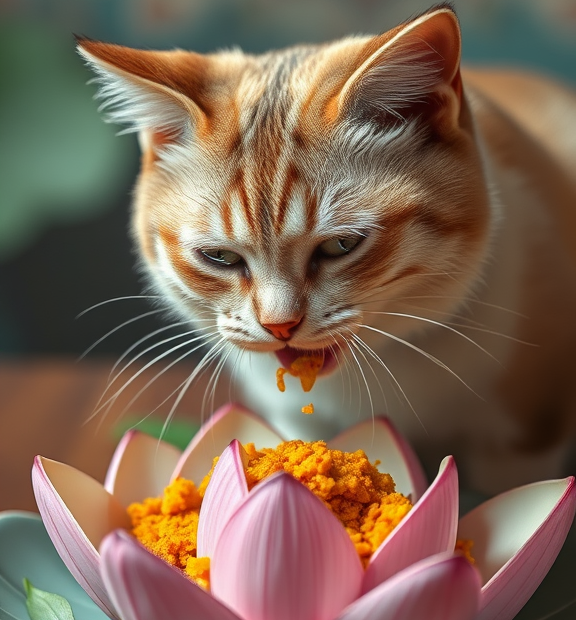
Lotus Cat Food Cat Eating Problem: Tips to Encourage Your Cat to Eat
Many cat owners experience periods when their feline friends are just not interested in their meals, especially when it comes to feeding them nutritious brands like Lotus Cat Food. If your cat is showing a lack of interest in their meals, it can be frustrating. However, with a few creative strategies, you can encourage your cat to enjoy their food again.
Every cat has unique preferences and tastes. What works for one might not work for another. Therefore, experimenting with different approaches will help you understand what makes your cat tick. Here are ten tricks to help make meals irresistible to your furry companion.
1. Fresh Water Is Key
Ensure your cat always has access to fresh, clean water. Sometimes, cats refuse to eat simply because they are not adequately hydrated. If your cat drinks more water, they might be inclined to eat, as hydration can increase their appetite.
2. Warm Up the Food
Try warming your cat’s food slightly in the microwave. This activates the aromas and tastes of the Lotus Cat Food, making it more tempting. Just ensure it’s not too hot to avoid burning your pet’s mouth.
3. Variety is the Spice of Life
Switching up the flavors and textures of Lotus Cat Food can ignite your cat’s interest. If you typically serve dry kibble, consider mixing in wet food or trying a different flavor. Cats can get bored of the same meal each day, so offering variety can entice them to eat.
4. Use Toppers
Enhance the appeal of your cat’s food by using tasty toppers. Sprinkle a bit of bonito flakes, freeze-dried meat, or even a small amount of broth over their food to make it more exciting. The added flavor can stimulate your cat’s appetite.
5. Establish a Feeding Schedule
Creating a consistent feeding schedule helps regulate your cat’s appetite. Offer food at set times, and remove any uneaten portions after about 30 minutes. This method promotes a routine and encourages your cat to eat when food is available.
6. Create a Calm Environment
Felines thrive in peaceful surroundings. If your home is noisy or chaotic during mealtime, your cat may hesitate to eat. Try feeding your cat in a quiet area away from distractions to create a more inviting atmosphere.
7. Monitor Health Conditions
A sudden decrease in appetite can sometimes signal underlying health issues. Regular check-ups with your veterinarian can help identify any health problems that might be impacting your cat’s eating habits. If this issue persists, consulting with a vet is advisable.
8. Try Different Bowl Types
Sometimes the bowl you’re using might not be appealing to your cat. Experiment with various bowl shapes and materials. Some cats prefer shallow bowls, while others might favor wider or elevated options. Ensure the bowl is clean and doesn’t interfere with their whiskers.
9. Encourage Active Play Before Meals
Engaging your cat in play sessions before offering food can stimulate their appetite. Use feather toys, laser pointers, or balls to get your cat active, which could lead to a stronger desire to eat afterward.
10. Limit Treats
Ensure your cat doesn’t fill up on treats before meal times. If your cat is getting too many snacks throughout the day, they may not have the appetite for their main meals. Aim for balance and moderation to maintain a healthy appetite.
By implementing these strategies, you can transform mealtime into an exciting event for your cat. Remember that patience is key; sometimes, it may take several tries before your cat becomes receptive to their food again. Each step you take demonstrates your care and commitment to your pet’s well-being, making every meal a delicious experience!
Nutritional Values of Lotus Cat Food and Their Impact on Feline Health
Caring for your cat involves understanding their nutritional needs. Lotus Cat Food aims to meet these needs with high-quality ingredients and balanced recipes. Knowing the nutritional values in Lotus Cat Food and their impact on your feline’s health can help you make informed choices for your beloved pet.
Lotus Cat Food prides itself on using fresh, whole foods. The primary ingredients include meat, vegetables, and various grains, which offer a well-rounded diet for cats of all ages. Let’s delve into the key nutritional components that make Lotus Cat Food a favorable choice:
- High-Quality Protein: Cats are obligate carnivores, meaning they need a diet rich in protein to thrive. Lotus Cat Food sources its proteins from high-quality meats like chicken, turkey, and fish. This protein content contributes to muscle maintenance and overall energy.
- Essential Fatty Acids: Fats are vital for energy and support a healthy coat and skin. Lotus Cat Food includes omega-3 and omega-6 fatty acids. These fats also support brain health and maintain immune function.
- Vitamins and Minerals: Vitamins A, B, C, D, and E, along with necessary minerals like calcium and phosphorus, are included to ensure your cat receives a complete diet. These nutrients are essential for bone health, vision, and optimal cellular function.
- Digestible Carbohydrates: While cats don’t need a high-carb diet, healthy sources like brown rice and lentils provide additional energy and fiber. This can aid in digestion and help maintain a healthy weight.
- Probiotics: Some recipes from Lotus incorporate probiotics. These beneficial bacteria support gut health, improve nutrient absorption, and may help to manage hairballs.
The balance of these nutritional values is crucial for your cat’s health. A protein-rich diet from Lotus Cat Food helps to keep your feline friend agile and active. Cats require more protein than dogs, and Lotus addresses this need through its carefully crafted recipes.
Another significant area of concern for cat owners is maintaining a healthy weight. Recognizing the calorie content in Lotus Cat Food can play a vital role in portion control. Ensuring your cat gets the right amount based on their activity level is key to preventing obesity. Obesity can lead to various health issues, including diabetes and joint problems.
As pet owners, you want to provide the best for your furry friends. Knowing the specific ingredients in Lotus Cat Food lets you understand how they contribute to your cat’s overall wellness. Here’s how the different components play a role:
- Meat Protein to Support Muscles: The protein in Lotus helps fuel your cat’s muscle function, which is especially vital for active or aged cats.
- Fats for Energy: Fats offer concentrated energy, crucial for maintaining your cat’s lively disposition.
- Minerals to Build Strong Bones: A good balance of calcium and phosphorus is essential not just for developing kittens but also for adult cats to keep their bones strong.
- Digestive Health: The inclusion of fiber promotes digestive health, reducing the incidence of common problems like constipation.
Lotus Cat Food’s emphasis on whole, natural ingredients ensures that your feline benefits from a diet that reflects their nutritional requirements. When switching your cat’s diet to Lotus, observe how they respond to the changes. You may notice improvements in their energy levels, coat condition, and even playful behavior.
While providing high-quality food is essential, pairing it with adequate hydration is crucial. Ensure your cat has access to fresh water at all times, as hydration significantly impacts their overall health.
The nutritional values offered by Lotus Cat Food can greatly affect your cat’s health and well-being. By choosing a food rich in protein, healthy fats, and essential vitamins and minerals, you’re setting the stage for a long, healthy life for your cat. Each meal carries the potential to enhance their vitality, so make every bite count!
Conclusion
Addressing cat eating problems involves understanding and catering to your furry friend’s needs. The tips discussed to encourage your cat to eat, such as enhancing the food’s aroma or introducing small, frequent meals, can help rekindle your cat’s interest in mealtime. Lotus Cat Food into their diet not only can stimulate their appetite but also offers rich nutritional benefits that are essential for overall feline health.
Lotus Cat Food is specially formulated with high-quality ingredients, ensuring that your pet gets the vital nutrients needed for a thriving life. Its balanced recipes are designed to support various aspects of feline health, from maintaining a shiny coat to promoting optimal digestion and energy levels.
Merging these practical techniques with the nutritional advantages of Lotus Cat Food can significantly improve your cat’s eating habits. Each spoonful is crafted to entice even the pickiest eaters while providing the nourishment they require. Remember, every cat is unique, and it may take some time to find the right strategies that work for your pet.
With patience and creativity, you can transform your cat’s dining experience, making it a delightful time rather than a challenge. Prioritizing their preferences and ensuring they enjoy the food can lead to healthy eating habits that last a lifetime. By investing in the right approach and nutrients, you equip your beloved feline with the foundation for a vibrant and happy life.