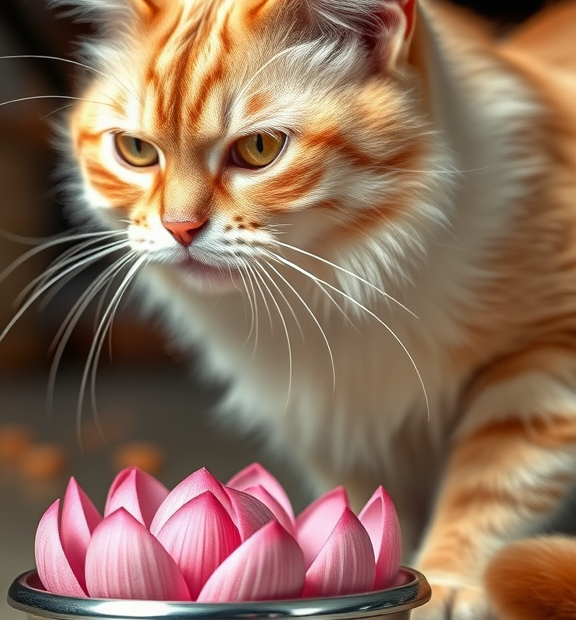
Strategies to Encourage Senior Cats to Eat Lotus Cat Food Again
As your beloved feline companion ages, you might notice a change in their eating habits. If your senior cat has developed a disinterest in eating, especially Lotus Cat Food, there are strategies you can try to get them excited about mealtime again. Here are some effective methods to encourage your senior cat to eat Lotus Cat Food and enjoy their meals once more.
1. Assess Their Preferences
Understanding your cat’s preferences is the first step in rekindling their appetite. Observe what flavors or textures they seem to enjoy. If they prefer wet food, try offering Lotus’s wet food options. Conversely, if they like dry food, ensure you provide enticing flavors. Sometimes mixing different varieties can ramp up the excitement during mealtime.
2. Create a Welcoming Environment
The feeding environment can significantly influence your cat’s willingness to eat. Make sure their dining area is quiet, clean, and clutter-free. Cats tend to feel more secure when their space is peaceful. Consider the following:
- Position their food and water bowls in a low-traffic area.
- Ensure that the bowls are clean and not too deep for older cats.
- Use a non-slip mat under the bowls to prevent sliding while they eat.
3. Warm the Food
If your senior cat is reluctant to eat cold food from the fridge, warming it up can make a significant difference. Gently warming Lotus Cat Food enhances its aroma, making it more inviting for your cat. To warm the food:
- Place the food in a microwave-safe bowl.
- Heat for just a few seconds—about 10-15 seconds should suffice.
- Stir well to avoid hot spots and ensure it’s only slightly warm.
Always check the temperature before serving to ensure it’s safe for your cat.
4. Add Tasty Toppers
Sometimes, adding a tasty topper can make all the difference. You can sprinkle a little freeze-dried meat or fish on top of the Lotus Cat Food to entice your cat. This sprinkle of flavor can grab their attention and encourage them to dig in.
5. Incorporate Feeding Schedule
Establishing a consistent feeding schedule can help your senior cat recognize mealtime as a routine part of their day. Offer meals at the same time each day, and try to keep the sessions short—about 20-30 minutes. After this time, remove any uneaten food for the next meal. Consistency helps reinforce mealtime behaviors.
6. Minimize Stress
Stress can greatly interfere with your cat’s appetite. Look for signs of anxiety, such as hiding or excessive grooming. Creating a safe and calm environment is crucial. Use soft music or calming diffusers, which may help your senior feline relax during meals.
7. Consult Your Veterinarian
If your cat continues to have a significant appetite loss, visiting the veterinarian is vital. Age-related health issues, dental problems, or medications can impact appetite. Your vet can recommend specific treatments, alternative foods, or adjustments to their current diet to stimulate their interest in eating.
8. Use Interactive Feeders
Engaging your senior cat during mealtime can help stimulate their appetite. Try using puzzle feeders or interactive feeding toys. These can turn meals into a fun game, encouraging them to eat more. For instance, treat-dispensing toys that require them to work for their meals can increase hunger and motivation.
9. Be Patient and Observant
Patience is essential. Cats can be finicky, especially as they age. Continue to observe their preferences and adjust as needed. Each cat is unique, so what works wonderfully for one might not work for another. Keep track of what seems to encourage eating and adjust your strategies accordingly.
With a little effort and creativity, you can help your senior cat rediscover their joy in eating Lotus Cat Food again. Implementing these strategies can turn mealtime back into a pleasant experience for your feline friend, keeping them healthy and happy for years to come!
Understanding Common Reasons for Appetite Loss in Aging Cats
As our beloved cats age, they may face a variety of health challenges, one of which is a decreased appetite. Identifying the reasons behind this loss of interest in food is crucial for their health and overall well-being. Understanding these factors can help you encourage your senior cat to eat again and enjoy a better quality of life.
Physical Health Issues
First and foremost, physical health problems can seriously impact your cat’s appetite.
- Dental Problems: Many senior cats experience dental issues such as gum disease or broken teeth, which can make eating painful. Regular dental check-ups can help identify these problems early.
- Digestive Disorders: Conditions like inflammatory bowel disease or gastrointestinal problems can lead to nausea and discomfort, making food unappealing.
- Kidney Disease: Chronic kidney disease is common in aging cats and can result in a decreased appetite. Increased thirst, urination, and weight loss are also symptoms to watch for.
- Hyperthyroidism: This condition, caused by an overactive thyroid gland, can lead to increased appetite in some cases but a sudden loss of appetite can also occur.
- Cancers: Various types of cancer can cause appetite loss, particularly if they affect the digestive system or make your cat feel unwell.
Mental and Emotional Factors
In addition to physical health issues, mental and emotional factors can play a significant role in your cat’s eating habits.
- Stress: Changes in the environment, such as moves, new pets, or the absence of a beloved human, can stress your cat, making them less likely to eat. Observe your cat’s behavior and try to minimize stressors.
- Depression: Aging cats can become depressed, especially if they lose their companions or experience significant changes. This emotional shift can severely affect their appetite.
- Memory Issues: Some older cats might struggle with cognitive dysfunction, affecting their desire to eat or their confusion about where to find their food.
Changes in Taste and Smell
Just like humans, cats can experience changes in their taste and sense of smell as they grow older. This can make food less appealing. Here are some points to consider:
- Preference Changes: Cats might develop new preferences for certain flavors or textures. Experimenting with different types of food could help you find what your cat loves.
- Temperature Effects: Some cats prefer their food warm or freshly cooked. Warming up canned food slightly can enhance its aroma and attract your cat.
Food and Feeding Environment
The type of food you provide and how it is served can trigger your cat’s willingness to eat.
- Quality of Food: High-quality cat food, such as Lotus Cat Food, often contains better ingredients, which might entice an aging cat to eat. Look for options that are specially formulated for senior cats.
- Feeding Routine: Cats often thrive on routine. Keeping a consistent feeding schedule can make mealtime more predictable and less stressful for your cat.
- Cleansing Bowls: Clean food and water bowls are essential. Cats may refuse to eat or drink from dirty bowls, so ensure they are immaculate.
When to Seek Veterinary Help
If your senior cat is showing a consistent loss of appetite, it’s essential to consult your veterinarian. They can provide the appropriate tests to identify any underlying medical conditions, such as those mentioned above. Early intervention is key to ensuring your cat’s health and happiness.
Understanding why an aging cat might not want to eat is the first step in helping them regain their appetite. By being proactive and attentive to your cat’s needs, you can improve their quality of life and encourage them to eat again. Often, with a little experimentation and care, your senior cat will reclaim their love for mealtime, ensuring you both share happy moments again.
Conclusion
Getting your senior cat to eat Lotus Cat Food again can be a rewarding process when you understand the underlying issues affecting their appetite. Aging cats might face changes that impact their eating habits, such as dental problems, a diminished sense of taste and smell, or underlying health conditions. By recognizing these factors, you can take proactive steps to encourage your feline friend to eat better.
Implementing simple strategies, like offering warmed food or transitioning to more aromatic varieties, can make a world of difference. Smaller, frequent meals often appeal more to senior cats than larger portions. It’s also essential to create a comfortable and stress-free eating environment, as anxiety can further deter your cat from enjoying their meals.
Additionally, consider discussing any significant changes in appetite with your veterinarian. They can help determine if there are health-related issues that need addressing. Encouragement through engaging and enticing food options, like those offered by Lotus Cat Food, can reignite your cat’s interest in eating.
By being patient and applying these strategies, you are more likely to see your senior cat return to enjoying their meals again. This not only supports their nutrition but also strengthens the bond you have with your furry companion. Remember, providing a nutritious diet is vital for your senior cat’s health and overall well-being, so take these steps to help them thrive in their golden years.