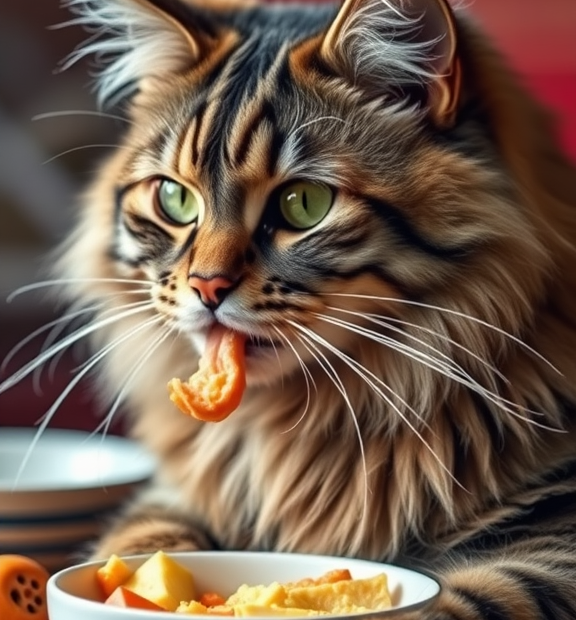
Common Causes Behind Maine Coon Cat Eat Problems and How to Identify Them
Unraveling Why Your Maine Coon Cat May Struggle to Eat
A sudden change in eating habits can worry any cat owner, especially if your Maine Coon – often called a gentle giant for its large size and calm nature – stops munching on its food. Understanding the root causes behind eating problems is essential to help your cat regain its appetite and health. Various factors might interfere with your Maine Coon’s willingness or ability to eat, from health issues to environmental changes. Recognizing symptoms early allows you to take appropriate action.
Physical Discomfort and Medical Issues
If your Maine Coon suddenly begins refusing food, physical pain or illness could be a major factor. Several medical concerns may contribute:
Dental Problems
Maine Coons, like all cats, rely heavily on their teeth to chew food comfortably. Tooth decay, gingivitis, or oral infections can cause discomfort, making your cat avoid eating. You might notice drooling, pawing at the mouth, or bad breath alongside their eating avoidance.
Digestive Disorders
Cats with gastrointestinal upset—like nausea, constipation, or inflammatory bowel disease—often lose their appetite. Watch for vomiting, diarrhea, or a bloated stomach, which might signal that your cat feels unwell.
Chronic Illnesses
Conditions such as kidney disease, liver ailments, or diabetes are common in older Maine Coons and can suppress appetite. These illnesses gradually affect your cat’s wellbeing and eating behaviors.
Pain from Injuries or Arthritis
Being a large breed, Maine Coons can develop joint pain or injuries that reduce their overall activity and interest in food. Pain might manifest as limping, reluctance to jump, or sensitivity when touched.
Environmental and Behavioral Influences
Sometimes, the root of eating problems lies outside of health complications. Consider your Maine Coon’s surroundings and routine, as disruption can trigger a loss of appetite:
- Stress or Anxiety: Moving to a new home, introducing new pets or family members, or loud noises can stress your cat, leading to decreased eating.
- Changes in Feeding Environment: If you recently switched food brands, bowl types, or feeding locations, your Maine Coon might reject the new arrangement.
- Overfeeding or Frequent Treats: Cats sometimes refuse meals because they’re full from excessive snacks, leading to unbalanced diets and eating problems.
- Age-Related Factors: Older Maine Coons may eat less due to diminished senses of smell or taste, impacting their desire to eat.
How to Identify the Specific Cause
Pinpointing the exact reason behind your Maine Coon’s eating issues requires careful observation combined with professional advice. Here are some steps you can take:
Monitor Behavior Closely
Keep a daily food diary noting when and how much your cat eats. Observe for related symptoms such as lethargy, vomiting, diarrhea, coughing, or sneezing.
Check the Mouth Thoroughly
Inspect your cat’s mouth for redness, swelling, broken teeth, or sores if you feel comfortable. Use a gentle touch and avoid causing distress.
Evaluate Recent Changes
Think about any disruptions or alterations in your cat’s daily routine or environment. Stress can dramatically change eating patterns.
Consult Your Veterinarian Promptly
If your Maine Coon refuses food for more than 24 hours or shows other signs of illness, visit a vet immediately. Blood tests, dental exams, or imaging might be needed to diagnose underlying conditions.
Early Detection is Key to Helping Your Maine Coon Eat Again
Finding the cause of appetite loss in your Maine Coon cat enhances your ability to treat it effectively. Whether dental problems, a digestive issue, stress, or something else, early intervention can prevent complications like weight loss and malnutrition. Offering a calm feeding environment, balanced nutrition, and veterinary care supports your cat’s path back to enjoying its meals. Keep in mind that Maine Coons are sensitive creatures whose eating habits reflect their health and happiness. By staying attentive and responsive to their needs, you ensure your gentle giant stays strong and content.
Practical Tips and Safe Remedies to Encourage Your Maine Coon to Eat Again
Understanding Why Your Maine Coon May Refuse to Eat
Maine Coon cats are known for their gentle nature and hearty appetites, but if you notice your furry friend refusing food, it’s essential to address the issue quickly. Loss of appetite in your Maine Coon can happen due to various reasons including stress, dental problems, illness, or changes in their environment. Recognizing the cause behind the eating problem helps you find the right approach to encourage your gentle giant to eat again.
10 Effective Ways to Help Your Maine Coon Enjoy Meals Again
1. Create a Calm and Quiet Feeding Environment
Maine Coons are sensitive to their surroundings. Feeding them in a calm, low-traffic area can reduce anxiety and help them focus on their food. Avoid loud noises and sudden disruptions during mealtimes to make your cat feel comfortable and secure.
2. Warm the Food Slightly to Enhance Smell
Heating your Maine Coon’s wet food just a little can release the natural aromas, making it more enticing. Be careful not to overheat, as hot food can burn their mouth. Warming food intensifies smell, which can stimulate their appetite and encourage eating.
3. Offer Smaller, More Frequent Meals
Instead of large portions, try feeding smaller amounts more often throughout the day. This can prevent overwhelming your cat and makes it easier for them to eat in manageable bites, which is helpful especially if they’re feeling unwell or weak.
4. Provide Variety in the Diet
Introducing new textures or flavors can spark interest in your Maine Coon. Rotate between wet and dry food, or offer different protein sources, like chicken, turkey, or fish. However, make changes gradually to avoid upsetting their digestive system.
5. Use Elevated Food Bowls to Reduce Neck Strain
Because Maine Coons are large cats, feeding from elevated bowls can be more comfortable for them. This simple adjustment helps reduce neck strain and encourages a relaxed eating posture, promoting better food intake.
6. Gently Massage Their Jaw and Mouth Area
If your Maine Coon shows discomfort while eating, they might have dental pain. Carefully massaging around the jaw can help relieve tension. Be gentle, and if you notice signs of pain or swelling, consult your vet promptly for dental evaluation.
7. Keep Fresh Water Available
Hydration supports overall health and appetite. Make sure fresh water is always accessible, possibly even using a cat water fountain to intrigue your Maine Coon and encourage drinking, which can indirectly improve their desire to eat.
8. Avoid Drastic Changes in Diet or Schedule
Maine Coons thrive on routine. Sudden changes in meal times or diet can cause stress and appetite loss. Maintain a consistent feeding schedule and slowly introduce any changes over several days to help your cat comfortably adjust.
9. Use Appetizing Toppers or Supplements
Adding a tasty topper like a bit of cooked chicken, tuna juice, or commercial appetite stimulants designed for cats might boost your Maine Coon’s interest in food. Make sure any additions are safe and vet-approved to avoid health risks.
10. Monitor Health and Seek Veterinary Help When Needed
If your Maine Coon continues refusing to eat or shows other symptoms like lethargy, vomiting, or drooling, don’t delay veterinary attention. Medical issues such as infections, organ problems, or oral health concerns could be behind the eating problem, requiring professional treatment.
Recognizing Behavioral and Health Changes Early
Being attentive to your Maine Coon’s eating habits can give early clues about their physical and emotional wellbeing. Cats often hide discomfort, so even a temporary loss of appetite shouldn’t be ignored. By combining these practical tips with regular monitoring, you’ll be supporting your Maine Coon’s health and happiness effectively—helping your gentle giant enjoy mealtime once again.
Enhancing Your Maine Coon’s Mealtime Experience
Creating a positive association with feeding times is key. Engage gently with your cat during feeding, use encouraging words, and avoid rushing them. Maine Coons respond well to patience and care, so showing understanding during these moments strengthens your bond and motivates them to eat.
Remember, patience and consistency are vital. Each Maine Coon is unique, and finding what makes your feline friend happy to eat again may involve trying several different strategies. By addressing both their physical and emotional needs with these safe remedies, you’ll be doing the best for your beloved gentle giant’s wellbeing.
Conclusion
When your Maine Coon cat faces eating problems, it’s important to recognize the signs and understand the root causes. From dental issues and illness to stress and picky eating habits, there are many reasons your gentle giant might refuse food. Taking the time to carefully observe their behavior and health can help you pinpoint the problem early on.
Thankfully, there are plenty of practical steps you can take to encourage your Maine Coon to eat again. Simple adjustments like warming up their food, offering smaller, more frequent meals, or introducing tasty treats can make a big difference. Creating a calm and inviting feeding environment also helps reduce stress-related appetite loss. If you notice persistent issues, don’t hesitate to consult your veterinarian to rule out any serious medical concerns and explore safe remedies tailored to your cat’s needs.
By combining awareness of common causes with effective, gentle strategies, you can support your Maine Coon’s health and happiness. Remember, patience and consistency are key to helping this affectionate breed return to enjoying their meals with enthusiasm. Your Maine Coon relies on you to spot problems early and provide the right care—because every gentle giant deserves to eat well and thrive.