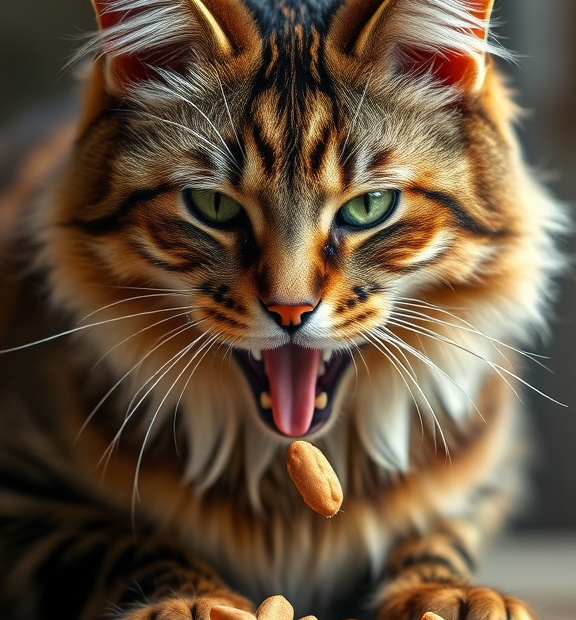
Maine Coon Cat Eat Problem Solved! Effective Feeding Tips That Actually Work
Maine Coon cats are known for their majestic size and gentle temperament, but their feeding habits can sometimes puzzle even the most experienced cat owners. If you’ve noticed your Maine Coon being picky, overeating, or experiencing digestive issues, you’re not alone. These common problems can be frustrating, yet they are manageable with the right approach. In this article, you’ll discover practical feeding tips tailored specifically for Maine Coon cats that actually work.
Understanding the Unique Feeding Needs of Maine Coons
Maine Coons are one of the largest domestic cat breeds, with males weighing up to 18 pounds or more. Their size and active nature mean they require more calories and nutrients than the average cat. Feeding them the right diet not only supports their impressive physique but also ensures their overall health. However, simply increasing food portions isn’t always the solution. Overfeeding can lead to obesity, while inadequate nutrition can cause energy dips and other health issues.
Before adjusting your Maine Coon’s feeding routine, consider these factors:
- Age – Kittens, adults, and seniors all have different dietary needs.
- Activity Level – Active cats may require more calories than couch potatoes.
- Health Status – Any medical condition can influence appetite and nutrient absorption.
- Food Type – Dry, wet, or raw diets impact digestion and feeding schedules.
Tip 1: Choose High-Quality Protein-Rich Food
Maine Coons thrive on diets rich in high-quality animal proteins. Proteins provide essential amino acids necessary for muscle development and repair, critical for such a large breed. Look for cat foods where real meat like chicken, turkey, or fish is the first ingredient. Avoid options filled with fillers such as corn or soy, which offer little nutritional benefit and can cause digestive problems.
Wet food often contains more protein and moisture, helping to hydrate your cat while providing necessary nutrients. Combining wet and dry food can also keep your Maine Coon interested in mealtime.
Tip 2: Monitor Portion Sizes and Mealtime Frequency
Overfeeding is a common mistake with Maine Coons due to their large appetites. Feeding too much can lead to weight gains and related health concerns like diabetes and joint problems. On the other hand, underfeeding can stunt growth and cause lethargy.
Here’s a practical feeding schedule to try:
- Kittens: 3-4 small meals a day to support rapid growth.
- Adults: 2-3 balanced meals daily to maintain energy.
- Seniors: 2 meals a day with adjusted portions for their lower activity.
Use feeding guidelines on cat food packaging as a starting point, then adjust based on your Maine Coon’s weight and energy levels. A food scale and measuring cups help ensure accuracy.
Tip 3: Encourage Natural Eating Behaviors
Maine Coons have a playful, curious personality that extends to their eating habits. Many enjoy “hunting” for their food, which can prevent boredom and overeating. Try puzzle feeders or hiding small portions around the house to stimulate their mind and simulate natural foraging instincts.
This approach not only slows down rapid eaters but also adds enrichment to their daily routine, improving their overall well-being.
Tip 4: Keep Fresh Water Accessible at All Times
Proper hydration is key to solving many feeding-related problems, such as urinary tract issues and constipation, which Maine Coons can be prone to. Wet food helps but also ensure there’s always fresh water available. Some cats prefer running water, so a cat water fountain can be a worthwhile investment.
Regularly check water bowls for cleanliness and refill them several times a day to encourage optimal drinking habits.
Tip 5: Watch for Food Intolerances and Make Gradual Diet Changes
If your Maine Coon is experiencing vomiting, diarrhea, or skin issues, consider the possibility of food intolerances. Common allergens include grains, certain proteins, or artificial additives. Switching to a limited-ingredient or hypoallergenic diet can be beneficial.
When changing your cat’s food, do so gradually over 7-10 days by mixing increasing amounts of the new food with the old. Abrupt changes can upset their sensitive digestive system.
Bonus Advice: Consult Your Veterinarian Regularly
Maine Coons require personalized attention when it comes to nutrition. Regular vet visits can help you catch feeding problems early and adjust your strategy for optimum health. Discuss your cat’s eating habits, weight, and any health concerns to receive tailored guidance and recommendations.
Feeding a Maine Coon isn’t simply about filling their bowl; it’s about understanding their unique physiology and lifestyle. By applying these five effective feeding tips, you’ll tackle common eating problems and help your Maine Coon cat thrive with energy, a shiny coat, and a happy appetite.
Understanding Maine Coon Nutritional Needs for Optimal Health and Happiness
What Makes Nutrition Crucial for Maine Coons?
Maine Coon cats are not your typical feline friends. Known for their large size, thick fur, and gentle personality, these cats require a specialized diet that supports their unique physical traits and active lifestyle. Feeding a Maine Coon properly helps maintain their muscular build, supports a shiny coat, and prevents common health issues. Because they grow larger and live longer than many other breeds, their nutritional requirements vary significantly.
Key Nutrients Maine Coons Need
Understanding the essential nutrients is the first step to providing your Maine Coon with a balanced diet. Here are the top nutrients that are vital for their health:
- Protein: Maine Coons need a protein-rich diet to support their large muscles and energetic nature. Look for foods containing high-quality animal proteins like chicken, turkey, or fish.
- Fats: Healthy fats from fish oils or chicken fat are crucial for energy and maintaining that silky fur Maine Coons are famous for.
- Taurine: This essential amino acid supports heart health and vision. It must be present in their food since cats cannot produce taurine naturally.
- Vitamins and Minerals: Vitamins A, D, E, and minerals like calcium and phosphorus contribute to strong bones, healthy skin, and overall wellbeing.
- Water: Maine Coons need adequate hydration, especially if fed dry food. Wet food can help meet their water intake needs.
How to Choose the Right Food for Your Maine Coon
The market is full of cat foods, but not all are suitable for Maine Coons. When picking a diet, consider the following tips:
- Look for breed-specific formulas: Many pet food brands now offer Maine Coon-specific diets tailored to their size and nutritional needs.
- Check ingredient lists carefully: Whole meats should be the main ingredient. Avoid foods with fillers like corn, soy, or wheat that provide little nutritional value.
- Balance between wet and dry food: wet food ensures hydration, while dry food helps dental health. A mix often works best.
- Consider life stage: Kittens, adults, and seniors all have different requirements. Choose a formula that matches your cat’s age.
- Consult your vet: Before making drastic diet changes, get professional advice tailored to your cat’s health status.
Feeding Frequency and Portion Control to Prevent Overeating
Maine Coons love food, and their big size can sometimes lead to overeating if not managed. Setting a regular feeding schedule and controlled portions ensures your cat stays fit without unnecessary weight gain. Here’s how you can do it:
- Divide daily food into multiple meals: Feeding 2-3 smaller meals a day helps regulate their metabolism and avoids bloating.
- Measure food precisely: Use a kitchen scale or measuring cup based on the recommended servings on your cat food packaging or vet instructions.
- Watch for obesity signs: Keep an eye on your cat’s waistline and activity levels. Adjust food amounts accordingly.
- Avoid free feeding: Leaving food out all day encourages nibbling, which can lead to weight problems.
Special Considerations for Maine Coon Cats
Some unique health concerns in Maine Coons require extra dietary care. For instance, they are predisposed to hypertrophic cardiomyopathy (HCM), a heart condition. Diets rich in taurine and balanced minerals help support heart health. Additionally, Maine Coons’ thick coats mean they benefit from omega-3 and omega-6 fatty acids to reduce shedding and keep skin healthy.
Hypertrophic cardiomyopathy (HCM) risk means you should avoid foods with excessive sodium and ensure balanced electrolytes. If your cat is diagnosed with any condition, special therapeutic diets may be required as advised by a veterinary professional.
Proper nutrition also impacts their behavior and mental health. Active play and curiosity are fueled by a diet rich in nutrients that support brain function. Ingredients like antioxidants and vitamins help keep your Maine Coon sharp and happy.
Monitoring Your Maine Coon’s Health Through Diet
Regular vet checkups combined with careful observation of your Maine Coon’s eating habits provide clues about their overall health status. Changes in appetite, weight loss, or poor coat condition can signal dietary gaps or medical problems.
You’ll want to watch for signs such as:
- Vomiting or diarrhea after meals
- Loss of interest in food
- Excessive scratching or dull fur
If you notice any of these, consult your vet immediately to tweak the diet or explore treatments.
Tips to Encourage Healthy Eating Habits in Your Maine Coon
If your Maine Coon is a picky eater or struggles with feeding issues, here are some practical tips to improve their nutrition uptake:
- Warm the food slightly: Warming canned food enhances aroma, encouraging eating.
- Mix textures: Combine pâté-style and chunks to keep mealtimes interesting.
- Maintain a quiet feeding space: Maine Coons appreciate calm surroundings free of distractions.
- Introduce new foods gradually: Sudden diet changes can upset their stomach and reduce appetite.
By understanding and catering to the nutritional needs of your Maine Coon, you’re investing in their long-term health, happiness, and well-being. Feeding your majestic companion the right diet is one of the best ways to enjoy many years together full of purrs and playful moments.
Conclusion
Feeding your Maine Coon doesn’t have to be a struggle anymore. By putting these proven feeding tips into practice, you can solve the common eating problems many Maine Coon owners face. Understanding the unique nutritional needs of this majestic breed is key to keeping your cat healthy, happy, and thriving. Maine Coons require a balanced diet rich in high-quality protein and essential nutrients to support their large, muscular frames and active lifestyles.
When you choose food tailored to their specific needs and follow consistent feeding routines, you’ll notice better appetite control and improved digestion. This not only promotes their physical well-being but also strengthens the bond you share through mealtime. Remember, every Maine Coon is different, so observing your cat’s preferences and adjusting portions accordingly will ensure the best results.
Ultimately, knowing what and how to feed your Maine Coon empowers you to provide the true care they deserve. With these feeding strategies, mealtime can transform from a challenge into a rewarding experience. Your Maine Coon will thank you with a shiny coat, boundless energy, and a contented purr—all signs of a well-nourished, happy feline friend.