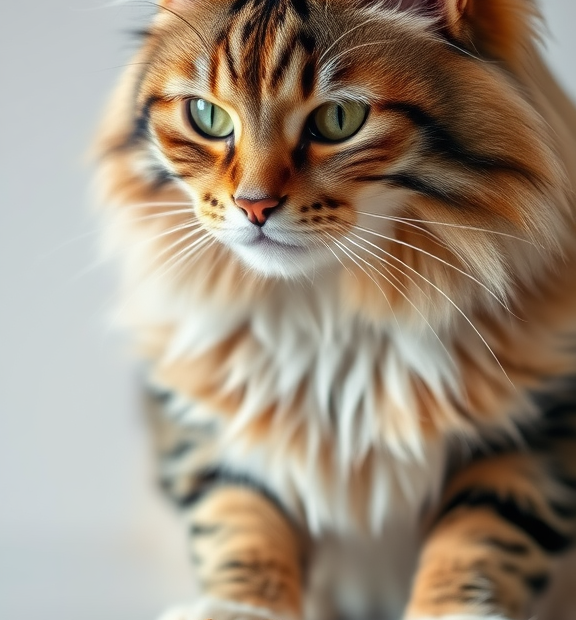
Understanding Why Your Maine Coon Cat Is Refusing Food: Common Causes and Signs
Why Might Your Maine Coon Cat Be Refusing to Eat?
Maine Coon cats are known for their large size, playful personality, and generally hearty appetites. When your Maine Coon suddenly refuses food, it can be concerning. Many different reasons may lead to a cat’s reluctance to eat, and understanding these causes is crucial in helping your feline friend get back on track.
One common cause is stress or environmental changes. Cats are sensitive creatures that thrive on routine. Moving to a new home, the introduction of a new pet, loud noises, or changes in the household can make them anxious, leading to reduced appetite.
Health issues are another major factor. Dental problems like tooth decay or gingivitis can make chewing painful. Gastrointestinal disturbances, infections, or more serious conditions such as kidney disease or hyperthyroidism could cause loss of appetite. If your Maine Coon stops eating and shows signs of illness, a vet visit is essential.
Sometimes, the problem lies in the diet itself. Maine Coons often prefer specific textures or flavors, so a sudden switch in food type can lead to refusal. Spoiled or stale food can also deter even the most voracious eaters. Food intolerance or allergies might play a role as well.
Age can influence eating habits. Maine Coons are slow to mature but may slow down their appetite as they get older. Elderly cats might need softer foods and different nutrient balances to encourage eating.
Common Signs That Your Maine Coon Has an Eating Problem
Recognizing when your Maine Coon is refusing food or struggling to eat is the first step to taking action. Watch for these signs:
- Leaving food untouched: If your cat consistently ignores the food bowl, it’s a clear sign
- Vomiting or gagging: Attempts to eat but followed by vomiting could indicate digestive issues
- Excessive drooling: This can be a sign of oral pain or nausea
- Weight loss: A decrease in weight over a short time signals ongoing refusal to eat
- Lethargy or changes in behavior: A cat that eats less may also become less active or withdrawn
- Chewing but not swallowing: This might point to dental pain or throat problems
Steps to Encourage Your Maine Coon to Eat
If you notice your Maine Coon is avoiding food, you can try several approaches before heading to the vet:
1. Check the Food Quality and Type
Make sure the food is fresh and suitable for your cat’s preferences. Sometimes warming up wet food slightly can increase its aroma and make it more enticing.
2. Maintain a Calm Feeding Environment
Reduce stress by feeding your cat in a quiet, comfortable area where it feels safe.
3. Offer Variety
Try offering different flavors, textures, or brands to see if your Maine Coon prefers one over another. Sometimes adding a small amount of tasty topper or broth helps.
4. Establish a Feeding Schedule
Cats appreciate consistency, so feed your cat at the same times daily without leaving food out all day.
5. Use Interactive Feeding Methods
Sometimes play and feeding can be combined. Using food puzzles or toys that release food can stimulate appetite and mental engagement.
When to Seek Professional Help
If your Maine Coon continues to refuse food for more than 24-48 hours or displays signs of illness such as vomiting, diarrhea, or lethargy, it’s important to consult a veterinarian immediately. Prolonged fasting can quickly lead to serious liver issues in cats, such as hepatic lipidosis.
A vet can perform examinations, diagnostics, and recommend treatments tailored to your cat’s condition. These might include dental care, medication for infections, dietary adjustments, or other interventions.
Preventive Tips for a Healthy Appetite
Maintaining your Maine Coon’s health and minimizing food refusal can be achieved through:
- Regular check-ups: Routine vet visits catch problems early
- Balanced diet: Feeding high-quality food designed for large breeds
- Dental care: Brush teeth regularly or provide dental treats
- Stress reduction: Keep a stable, predictable environment
- Exercise and mental stimulation: Active cats tend to have better appetites
By paying close attention to your Maine Coon’s feeding habits and overall health, you can identify issues early and act swiftly. Food refusal in your Maine Coon is often a message that something is wrong, whether it’s related to health, environment, or diet. Addressing these factors promptly keeps your majestic feline happy, healthy, and well-fed.
Effective Solutions to Encourage Your Maine Coon Cat to Eat and Stay Healthy
Understanding Why Your Maine Coon Cat Might Refuse Food
If your Maine Coon cat is refusing to eat, it can be worrying. These gentle giants usually have a hearty appetite, so a sudden disinterest in food often signals that something is off. Several factors can cause this behavior, ranging from medical to environmental.
Health issues like dental problems, infections, digestive upset, or kidney disease can reduce your cat’s willingness to eat. Stress and changes in routine or environment can also play a significant role. Maine Coons are social creatures, and disruptions such as a new pet, moving house, or loud noises can cause anxiety and suppress appetite.
Simple Adjustments to Encourage Your Maine Coon to Eat
Before rushing to the vet, there are practical steps you can try at home to stimulate your Maine Coon’s appetite. Paying attention to their likes and dislikes is essential in finding a successful feeding strategy.
Offer Different Food Textures and Flavors
Sometimes a Maine Coon may refuse food because they want variety. Try alternating between wet and dry food, or different flavors and formulas. Maine Coons usually enjoy high-protein, grain-free options, so you might want to experiment with chicken, fish, or turkey-based foods.
Warm the Food Slightly
Warming your cat’s wet food just a little can help release aromas that trigger their appetite. Foods at room temperature tend to smell more enticing to cats compared to cold meals straight from the fridge.
Create a Stress-Free Feeding Environment
Place your Maine Coon’s food bowl in a quiet, comfortable area away from noises, other pets, or high traffic. This helps reduce stress and makes it easier for your cat to focus on eating.
When to Consider Veterinary Care
If your Maine Coon refuses food for more than 24–48 hours or shows other signs like lethargy, vomiting, or weight loss, a vet visit is critical. A professional assessment can identify underlying health concerns needing treatment.
- Dental Check: Dental pain or infections often result in reluctance to eat.
- Blood Work: Helps diagnose infections or organ issues.
- Parasite Screening: Worms can reduce appetite and energy.
Additional Tips to Maintain Appetite and Health
Ensure Proper Hydration
Maine Coons are prone to urinary tract problems. Always keep fresh water available, and consider adding wet food to their diet to boost fluid intake.
Regular Feeding Schedule
Stick to a consistent feeding schedule to build routine and help your cat feel secure. Feeding small portions multiple times a day can also make eating less overwhelming for finicky cats.
Use Interactive Feeders or Puzzle Toys
Stimulate your cat mentally and physically by providing puzzle feeders or treat-dispensing toys. These can encourage your Maine Coon to eat and stay engaged.
Monitoring Your Cat’s Eating Habits
Keep track of what and how much your Maine Coon eats daily. Changes in appetite may be subtle at first, but early detection of problems can help you intervene quickly. Consider maintaining a feeding journal, noting any refusals, changes in preferences, or symptoms that accompany appetite loss.
Remember, Maine Coon cats are loving companions, but they sometimes need your help and attention when their eating habits change. Prompt action coupled with patience will ensure that your cat remains healthy, happy, and well-nourished.
Conclusion
When your Maine Coon cat refuses food, it can be both worrying and confusing. Understanding the common causes behind this behavior is the first step toward helping your furry friend. Whether it’s a sudden change in their environment, dental issues, illness, or even stress, identifying the root cause is essential. Paying close attention to signs like lethargy, vomiting, or unusual behavior will guide you when deciding if a vet visit is necessary.
Once you know what might be affecting your cat’s appetite, there are many practical steps you can take to encourage eating. Offering fresh, high-quality food, warming meals slightly to bring out aroma, or trying different textures can make a big difference. Keeping feeding times consistent and creating a calm, comfortable eating space helps reduce stress, which often impacts appetite. If health issues are involved, following your veterinarian’s advice for treatment and medication will support your Maine Coon’s recovery.
Remember, patience and observation are key. Your Maine Coon cat relies on you to notice changes and respond with care and understanding. By tackling the problem early with thoughtful solutions, you help maintain your cat’s health and happiness. A well-fed Maine Coon is not only more energetic but also shows its loving and playful personality, making every moment together even more special.