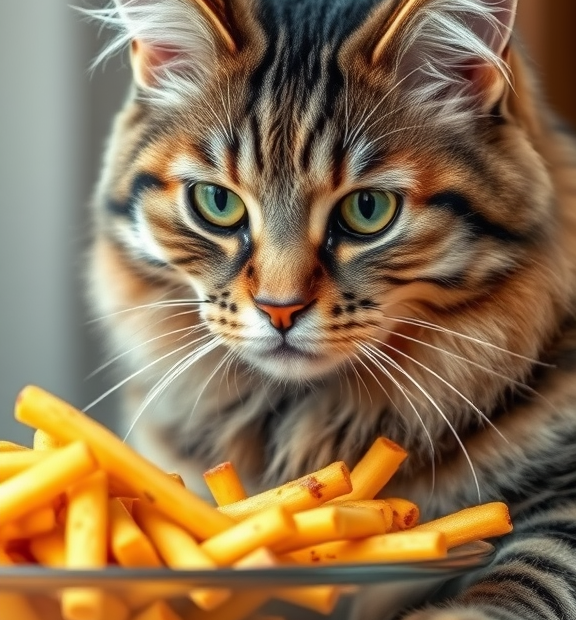
Understanding Why Your Maine Coon Cat Is Refusing Food: Common Causes and Symptoms
Why Is Your Maine Coon Cat Refusing Food?
If your Maine Coon cat suddenly refuses to eat, it can be both confusing and worrying. These majestic cats usually have hearty appetites thanks to their large size and active nature. A sudden change in eating habits is a clear signal that something might be off, and understanding the root causes is crucial to help your furry friend.
Common Reasons Behind Food Refusal
Maine Coons, like all cats, use their appetite as a way to communicate their health and emotional state. Here are some of the most common causes why your Maine Coon might be avoiding food:
- Dental Problems: Issues like tooth decay, gingivitis, or oral infections can make chewing painful, causing your cat to avoid food.
- Digestive Upsets: Stomach discomfort, constipation, or gastrointestinal infections often reduce appetite.
- Illness or Infection: Cats may lose interest in food when battling infections such as upper respiratory viruses or systemic diseases.
- Stress and Anxiety: Changes at home, new pets, loud noises, or even travel can stress out your Maine Coon and disrupt their eating habits.
- Food Preferences: Just like humans, Maine Coons might turn their noses up at certain flavors, textures, or brands, especially if the formula or presentation suddenly changes.
- Environmental Factors: Dirty food bowls, poor feeding location, or competing pets can also deter your cat from eating.
Warning Signs and Symptoms to Watch For
Not eating is a symptom itself, but what you notice alongside it can help pinpoint the cause and urgency of the problem. Pay attention to these accompanying signs:
- Weight Loss: Noticeable reduction in body mass over days or weeks.
- Drooling or Pawing at the Mouth: Indicators of oral discomfort.
- Vomiting or Diarrhea: Often linked to digestive issues.
- Lethargy or Weakness: May suggest systemic illness or pain.
- Changes in Behavior: Hiding, increased aggression, or avoiding human contact.
- Dehydration: Signs include dry gums, sunken eyes, or decreased skin elasticity.
What Can You Do to Help Your Maine Coon Cat Eat Again?
When your Maine Coon refuses food, early action and patience are vital. Here are practical steps you can take immediately:
- Inspect the Feeding Environment: Make sure food bowls are clean, fresh water is available, and the feeding area is quiet and calm.
- Check the Food: Try offering a different flavor or type—wet food, dry food, or a combination. Warming wet food slightly can make it more aromatic and attractive.
- Encourage Small Frequent Meals: Offer smaller portions multiple times a day instead of one big meal to stimulate appetite.
- Examine Your Cat’s Mouth: Look for sores, swelling, or broken teeth. If anything looks off, prompt a vet visit.
- Monitor Stress Factors: Reduce loud noises, maintain a stable environment, and limit changes during this period.
- Consult Your Veterinarian Quickly: If your Maine Coon refuses food for more than 24-48 hours or shows other worrying symptoms, visit your vet immediately to rule out serious illnesses.
Importance of Veterinary Care
Maine Coons are generally robust, but they can be vulnerable to specific conditions such as hypertrophic cardiomyopathy or hip dysplasia which may indirectly affect their appetite. A vet visit is essential if food refusal persists. Blood tests, dental exams, or imaging may be necessary to diagnose hidden problems. Early treatment can prevent complications like hepatic lipidosis, a serious liver condition caused by prolonged lack of eating.
Tips to Maintain a Healthy Appetite in Your Maine Coon
Preventing food refusal is easier than treating it. Consider these care practices to keep your Maine Coon’s appetite robust:
- Balanced Diet: Provide a nutritionally complete diet suitable for large, active cats. Rotate flavors and types occasionally but avoid sudden drastic changes.
- Regular Dental Care: Brush your cat’s teeth if possible and schedule routine veterinary dental cleanings.
- Hydration: Encourage water intake through fresh bowls or pet fountains.
- Comfortable Environment: Provide safe, quiet, and clean spaces for feeding and resting.
- Monitor Behavior: Keep an eye on changes in activity or mood that could hint at distress or illness.
By understanding common triggers for food refusal and spotting early symptoms, you empower yourself to act swiftly and support your Maine Coon’s health. Remember, your cat’s refusal to eat is their way of signaling discomfort or distress. Always listen closely, and don’t hesitate to seek professional care to keep your beloved Maine Coon thriving and happy.
Effective Solutions and Tips to Encourage Healthy Eating in Maine Coon Cats
Why Maine Coon Cats May Refuse Food
Maine Coon cats are known for their large size and friendly nature, but like all cats, they can sometimes refuse to eat. Understanding the real reasons behind a Maine Coon cat refusing food is the first step to helping them regain a healthy appetite. Common causes include:
- Illness or discomfort: Dental problems, gastrointestinal issues, or infections can make eating painful.
- Stress or environmental changes: Moving to a new home, a change in routine, or loud noises may cause anxiety and lead to loss of appetite.
- Food preferences and palatability: Maine Coons can be picky eaters, often rejecting foods they dislike in taste, texture, or smell.
- Sudden changes in diet: Switching foods abruptly can cause refusal due to unfamiliarity.
- Age-related factors: Older Maine Coons may lose interest in food due to reduced sense of smell or health issues.
Practical Tips to Encourage Eating in Maine Coon Cats
If your Maine Coon refuses food, it’s important to approach the problem with patience and care. Here are effective strategies to encourage healthy eating habits:
Make Mealtime Appealing
Maine Coon cats often react positively to food that looks and smells fresh. To enhance their interest:
- Warm up wet food slightly to enhance aroma and palatability.
- Offer a mix of wet and dry food to stimulate their senses.
- Serve food in clean bowls placed in quiet, comfortable areas.
- Try different textures such as pâté, chunks in gravy, or minced food.
Create a Stress-Free Environment
Reducing stress can significantly improve eating behavior.
- Maintain a consistent feeding schedule.
- Keep the feeding area away from household noise or other pets.
- Provide a calm, familiar environment to reduce anxiety.
Consider Health Checks
If your Maine Coon continues to refuse food for more than 24 hours, veterinary consultation is crucial:
- Dental issues like tooth decay or gum disease can cause pain when chewing.
- Underlying illnesses such as kidney disease or infections may affect appetite.
- A vet can perform blood work or other diagnostics to uncover hidden conditions.
How to Transition Food Sensibly
Sudden diet changes can cause Maine Coons to reject their meals entirely. A gradual transition keeps their digestive system happy and increases acceptance. Follow these steps:
- Mix 25% new food with 75% old food for the first three days.
- Increase the new food proportion to 50% for the next four days.
- Then raise to 75% new food for another three days.
- By day ten, your cat should comfortably eat 100% of the new diet.
Enhancing Nutritional Value and Hydration
Maine Coon cats require a balanced diet rich in protein, vitamins, and fatty acids to support their active, muscular bodies. You can help ensure they get proper nutrition and hydration in the following ways:
- High-quality protein: Choose cat foods featuring real meat like chicken, turkey, or fish as main ingredients.
- Hydration: Encourage drinking by providing fresh water daily or adding moisture-rich wet food to their diet.
- Supplements: Consult your vet about omega-3 fatty acid supplements to support coat health and joint function.
Using Interactive Feeding to Boost Appetite
Engaging your Maine Coon mentally and physically can trigger their hunger. Try these interactive feeding methods:
- Use puzzle feeders that require your cat to work for food, enhancing stimulation and interest.
- Scatter small portions around their favorite play spots to encourage natural hunting behavior.
- Include short play sessions before meals with toys like feather wands or laser pointers to trigger appetite.
When to Seek Help
While most eating problems can be managed at home, persistent refusal to eat might signal serious health issues. You should talk to a vet immediately if you notice:
- Refusal to eat for over 48 hours.
- Signs of lethargy, vomiting, diarrhea, or weight loss.
- Changes in grooming habits or behavior.
By understanding your Maine Coon’s needs, providing a stress-free environment, and addressing possible health issues early, you can help your furry friend enjoy a nutritious diet and maintain a healthy appetite.
Conclusion
When your Maine Coon cat refuses food, it can be worrying, but understanding the reasons behind this behavior is the first step toward helping your furry friend. Common causes such as dental problems, stress, illness, or changes in diet often lead to a loss of appetite. Recognizing symptoms like lethargy, weight loss, or vocalizing distress can alert you to when your cat needs attention beyond a simple feeding issue.
Addressing these challenges with patience and care is key. Offering a variety of flavors and textures, maintaining a calm feeding environment, and ensuring fresh water is available can make mealtime more inviting. Regular veterinary check-ups help catch any underlying health problems early, allowing for timely treatment. Simple adjustments, like warming wet food or hand-feeding, can also entice a reluctant eater to try new foods.
By paying close attention to your Maine Coon’s behavior and needs, you create a supportive space that encourages healthy eating habits. Remember, persistence and love go a long way in nurturing a happy, healthy cat. With these strategies, you’ll turn mealtime from a struggle into a moment of bonding and care for your gentle giant.