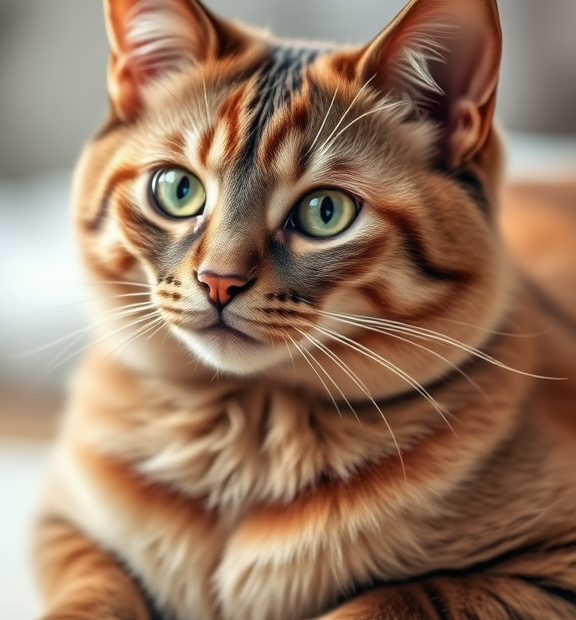
The Health Benefits of Omega-3 Supplements for Abyssinian Cats
Why Abyssinian Cats Benefit from Omega-3 Supplements
Abyssinian cats are known for their active nature, sleek coats, and vibrant personalities. To keep them healthy and energetic, their diet must be well-rounded and supportive of their unique needs. Omega-3 fatty acids play a crucial role in maintaining a cat’s overall well-being, making omega-3 supplements a valuable addition to the care routine of Abyssinians.
These essential fatty acids, particularly EPA and DHA, support numerous body functions that are especially important for Abyssinian cats. Since cats are obligate carnivores, their diet primarily depends on animal-based nutrients. However, commercial diets might not always provide an optimal amount of omega-3s, which highlights the importance of supplementation.
Key Health Benefits Customers Report
Adding omega-3 supplements to your Abyssinian’s diet can unlock several health advantages:
- Improved Skin and Coat Condition: Omega-3 fatty acids help reduce inflammation that can cause dry skin and dull fur. Customers often notice their cats have shinier, softer coats and less itching or flaking after starting an omega-3 regimen.
- Supports Joint Health: Abyssinians are active cats who can develop joint stiffness or arthritis as they age. Omega-3s help reduce inflammation in joints, improving mobility and comfort.
- Boosts Immune System: A well-functioning immune system is critical for preventing illnesses. Omega-3s have anti-inflammatory and immune-modulating properties that support your cat’s natural defenses.
- Enhances Brain and Eye Development: For kittens and younger Abyssinians, omega-3s are key for proper brain development and sharp vision.
- Helps Maintain a Healthy Heart: Cardiovascular health is essential for longevity. Omega-3 fatty acids promote healthy heart rhythms and can reduce the risk of heart disease.
Choosing the Best Omega-3 Supplements for Abyssinian Cats
When selecting an omega-3 supplement for your Abyssinian, consider several factors to ensure safety, effectiveness, and palatability:
Source of Omega-3
The most common sources are fish oil and krill oil. Fish oil, especially derived from cold-water fish like salmon or sardines, is rich in EPA and DHA. Krill oil also provides these fatty acids but with the added benefit of natural antioxidants like astaxanthin, which enhances stability.
Quality and Purity
Look for supplements tested for contaminants, such as heavy metals and toxins, common in marine products. Products with third-party certifications offer additional assurance that the supplement is safe and free from harmful substances.
Form and Administration
Omega-3 supplements designed specifically for cats come in several forms:
- Soft Gels: Can be punctured and mixed with food.
- Liquid Oils: Easily added directly to meals, allowing for flexible dosing.
- Powdered or Capsules: Sometimes preferred if your cat refuses oils, though mixing with food is necessary.
Choose a form that your cat readily accepts, as consistent intake is vital to see real benefits.
Proper Dosage and Feeding Tips
Dosage depends on your cat’s weight, age, and overall health condition. A veterinarian can recommend the ideal amount, but a general guideline is around 20 to 55 mg of combined EPA and DHA per kilogram of body weight per day. Over-supplementation can cause digestive upset or interfere with blood clotting, so following dosage recommendations carefully is essential.
Adding omega-3 oils to wet food tends to be more successful, especially for Abyssinians who are known to be selective eaters. Start with small amounts and gradually increase, observing your cat for any adverse reactions.
Additional Tips to Maximize Omega-3 Benefits
- Store Properly: Fish oils can go rancid quickly. Keep them refrigerated and tightly sealed to preserve efficacy.
- Incorporate Into Balanced Nutrition: Supplements should complement a high-quality diet, not replace essential nutrients.
- Monitor Your Cat’s Response: Look for improvements in coat sheen, mobility, and energy levels over weeks to months.
By understanding how omega-3 fatty acids work and selecting the right supplement, you can enhance your Abyssinian cat’s health and vitality. These supplements support their skin, joints, heart, and brain, helping your furry friend thrive throughout their life.
Choosing the Best Omega-3 Supplement Products for Your Abyssinian Cat
Understanding the Importance of Omega-3 for Abyssinian Cats
Omega-3 fatty acids are essential nutrients that play a vital role in maintaining your Abyssinian cat’s overall health. These healthy fats, primarily found in fish oils and certain plant oils, help support a shiny coat, healthy skin, strong immune system, and optimal brain function. Abyssinians, known for their sleek and dense fur, especially benefit from omega-3 supplements as these nutrients help reduce skin irritations and promote a glossy appearance.
Choosing the right omega-3 supplement for your Abyssinian can sometimes be challenging because not all products are created equal. You want to ensure that the supplement you pick provides the right balance of EPA (eicosapentaenoic acid) and DHA (docosahexaenoic acid), the two most beneficial types of omega-3s for cats. Proper supplementation can help minimize inflammation, ease joint discomfort, and support heart health, which is essential since Abyssinians can be prone to certain hereditary conditions.
What to Look for When Selecting Omega-3 Supplements for Your Cat
When selecting omega-3 supplements, you should focus on quality, purity, and safety to ensure it is suitable for your Abyssinian’s unique needs. Here are key factors to consider:
- Source of Omega-3s: The best supplements derive omega-3 from fish oils, such as salmon or sardine oil, because these provide the most bioavailable EPA and DHA. Avoid flaxseed or other plant-based oils as cats have limited ability to convert these to beneficial omega-3s.
- Purity Standards: Look for products that are tested for heavy metals, PCBs, and other contaminants. Since fish oil can accumulate these substances, purity is crucial to avoid harmful side effects.
- Concentration and Dosage: Check the EPA and DHA content per serving to ensure your pet is receiving an effective dose. Too little won’t provide the desired benefits, while too much may cause digestive upset.
- Form and Flavor: Choose supplements that come in a form your cat will readily accept. Liquid oils can be mixed with food, while capsules might be ideal for those who can swallow pills.
- Additional Nutrients: Some omega-3 supplements come fortified with vitamins or antioxidants, which may offer added health support but always consult your vet before combining supplements.
Top Omega-3 Supplement Options for Abyssinian Cats
Here is a list of some widely praised omega-3 supplements that pet owners often choose for cats like Abyssinians:
- Salmon Oil Capsules: These provide a concentrated dose of omega-3s in an easy-to-administer capsule. Many cats tolerate these well when capsules are hidden in treats or food.
- Liquid Fish Oil: Pure fish oil is highly absorbable and flexible for dosing. Look for natural, unflavored options to avoid additives that may deter picky eaters.
- Algal Oil Supplements: While not fish-based, algal oil is a plant source rich in DHA, suitable for cats with fish sensitivities but generally less preferred due to lower EPA content.
- Pet-specific Formulas: Some brands create omega-3 supplements formulated specifically for cats, balancing potency with taste and safety.
Omega-3 into Your Cat’s Routine Safely
Before introducing any supplement, always consult with your veterinarian, especially for Abyssinians, who might have unique health concerns. Your vet can help determine the right type and dose tailored to your cat’s weight, age, and overall health.
Start with a small dose to ensure your cat tolerates the supplement well. Monitor for any signs of digestive upset or allergic reactions, such as vomiting or diarrhea. If you see any adverse effects, stop the supplement and consult your vet immediately.
Mixing liquid omega-3 oils with your Abyssinian’s regular food is usually the most convenient way to supplement. If using capsules, try hiding them in treats or mixing the contents into meals. Consistency is key, so aim to give the supplement daily—or as advised by your vet—to see noticeable improvements in coat quality, behavior, and vitality.
Benefits of Consistent Omega-3 Supplementation for Abyssinians
Regular omega-3 supplementation offers several advantages tailored to your Abyssinian cat’s needs:
- Healthier Skin and Coat: Omega-3s help reduce itchiness and flakiness, maintaining soft, shiny fur.
- Joint Support: These fats have anti-inflammatory properties which can relieve joint stiffness, particularly beneficial as your cat ages.
- Enhanced Immune Function: Omega-3 fatty acids support balanced immune responses, helping your cat fight infections.
- Cognitive Health: DHA contributes to brain and eye development, important for kittens and older cats alike.
- Cardiovascular Benefits: Omega-3s promote healthy heart rhythms and lower blood lipid levels, supporting overall cardiac wellness.
By selecting quality omega-3 supplements tailored to your Abyssinian cat’s preferences and health, you help ensure they enjoy a vibrant, energetic life with a glossy coat and comfortable joints. Prioritize transparency in ingredient sourcing, purity, and proper dosing to get the best results while keeping your feline friend safe and happy.
Conclusion
Omega-3 supplements play a valuable role in supporting the overall health of Abyssinian cats. These essential fatty acids help maintain a shiny coat, soothe skin irritations, boost joint flexibility, and enhance heart and brain function. By adding omega-3s to your Abyssinian’s diet, you can support their natural beauty and promote long-term well-being, addressing some of the breed’s specific health needs.
When selecting the best omega-3 supplement for your Abyssinian cat, it’s important to choose high-quality products that are safe and effective. Look for supplements formulated specifically for cats, with clear labeling on ingredient sources like fish oil or algae oil. Avoid products containing unnecessary fillers or additives, and consider options with added antioxidants to boost benefits. Consulting your veterinarian before introducing any new supplement ensures you pick the right dosage and type to match your cat’s individual health profile.
Ultimately, omega-3 supplements can be a simple, natural way to improve your Abyssinian’s quality of life. By carefully selecting the right supplement and maintaining a balanced diet, you help your cat thrive with healthy skin, better mobility, and increased vitality. Paying attention to omega-3s shows your commitment to your pet’s health and happiness every day.