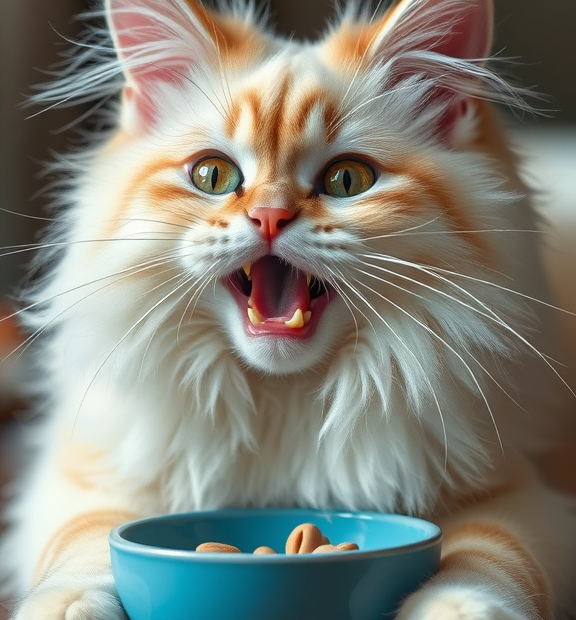
Practical Strategies for Overcoming Picky Eating in Ragdoll Cats
Ragdoll cats are known for their gentle temperament and striking appearance, but many owners face challenges when it comes to their eating habits. Picky eating in Ragdoll cats can be frustrating, especially when you want to ensure they receive proper nutrition for a healthy and active life. Fortunately, there are practical strategies you can try to overcome these picky tendencies and encourage your feline friend to enjoy their meals.
Understanding Why Ragdolls Might Be Picky Eaters
Before diving into solutions, it’s important to understand the reasons behind picky eating in Ragdoll cats. Some cats may refuse food due to texture, flavor preferences, or even health issues. Stress and changes in the environment can also affect their appetite. Recognizing these factors helps you tailor your approach to encourage better eating habits effectively.
Introduce Variety Gradually
Ragdoll cats tend to be creatures of habit. A sudden change in food type or brand might cause resistance. To ease this transition, introduce new foods slowly by mixing a small amount of the new option with their regular meals. Increase the proportion of the new food over several days. This gradual change helps your cat adjust without overwhelming their senses.
Choose High-Quality, Nutrient-Dense Foods
The quality of the food plays a huge role in appeal and nutrition. Opt for high-quality cat foods that are rich in protein and free from unnecessary fillers. Grain-free options or those tailored for Ragdolls’ unique dietary needs can be more enticing. Sometimes, cats refuse food simply because it lacks the flavor or texture they prefer, so experimenting with premium brands can make a significant difference.
Create a Consistent Feeding Schedule
Establishing a regular feeding routine helps regulate your cat’s appetite. Ragdolls respond well to consistency, so offering meals at the same times each day can reduce picky behavior. Avoid free feeding or leaving food out all day, as this can lead to grazing habits and decreased interest in meals. Instead, offer meals for 20-30 minutes and then remove any uneaten portion.
Use Tasty Enhancers to Boost Appeal
If your Ragdoll is reluctant to eat certain foods, consider adding tasty enhancers. Warm broth (without onions or garlic), a sprinkle of freeze-dried meat treats, or a small amount of canned tuna juice can stimulate appetite and add flavor. These additions often make meals more enticing and encourage your cat to finish their food.
Pay Attention to Texture Preferences
Some Ragdoll cats prefer wet food, while others like crunchy kibble or a mix of both. Experimenting with different textures may reveal what your cat enjoys most. Soft, moist food can be easier for older or less energetic cats to chew, while crunchy textures may keep other cats engaged. Offering a variety of textures can keep mealtime interesting and reduce picky eating.
Engage Your Cat with Feeding Games
Turning mealtime into play can stimulate your cat’s interest in food. Use puzzle feeders or food-dispensing toys to engage your Ragdoll and provide mental stimulation. This approach encourages natural hunting behaviors and slows down eating, which can improve digestion and reduce food refusal caused by boredom or disinterest.
Keep Food Fresh and the Feeding Area Clean
Cats are sensitive to odors and cleanliness. Make sure to serve fresh food each time and clean their dishes regularly. Stale or leftover food smells can discourage eating. Additionally, place feeding bowls in a quiet, low-traffic area to give your Ragdoll a peaceful eating environment free from distractions or stress.
Ensure Your Cat is Healthy
If picky eating persists despite your efforts, consult a veterinarian. Underlying medical issues like dental problems, gastrointestinal concerns, or infections can affect appetite and food preferences. Your vet can rule out health complications and recommend specialized diets or treatments to support your Ragdoll’s nutritional needs.
Key Takeaways to Keep in Mind
- Introduce new foods gradually to avoid overwhelming your cat’s palate.
- Choose high-quality and nutrient-rich cat food tailored to your Ragdoll’s needs.
- Establish a consistent feeding schedule to regulate appetite.
- Enhance food flavor with safe additives like broth or special treats.
- Experiment with textures to find your cat’s preference.
- Make feeding interactive with puzzle feeders or toys.
- Serve fresh food and maintain a clean, quiet feeding environment.
- Seek veterinary advice if picky eating continues or if you notice health changes.
By adopting these practical strategies, you can overcome picky eating challenges in your Ragdoll cat. Patience and observation are key — understanding your cat’s preferences and behaviors will allow you to customize mealtime in a way that satisfies both nutritional needs and their unique tastes. With consistent effort, mealtime can become enjoyable for your Ragdoll, promoting a healthier and happier companion.
Understanding the Causes of Picky Eating Behavior in Ragdoll Cats
Why Some Ragdoll Cats Become Selective Eaters
It’s common for Ragdoll cats to show signs of picky eating, but understanding what drives this behavior can help you address it effectively. These cats are known for their gentle and affectionate nature, but their food preferences can sometimes be quite particular. Several factors influence picky eating habits in Ragdoll cats, ranging from health issues to personality traits. Recognizing these causes is the first step toward encouraging balanced nutrition and happy mealtime experiences.
Health Concerns That Impact Appetite
Physical health plays a major role in a cat’s willingness to eat. If your Ragdoll suddenly refuses food or shows a reduced appetite, it could be due to underlying medical issues. Common health challenges affecting eating behavior include:
- Dental Problems: Painful teeth or gums make chewing uncomfortable, leading your cat to avoid certain foods or eating altogether.
- Gastrointestinal Upset: Indigestion, nausea, or other digestive troubles can cause your feline friend to lose interest in food.
- Infections or Illness: Fever, infections, or systemic illnesses frequently diminish a cat’s appetite as their body focuses on healing.
- Food Allergies or Sensitivities: Certain ingredients may upset your Ragdoll’s stomach or cause discomfort, turning them away from particular foods.
If picky eating appears suddenly or is accompanied by other symptoms such as weight loss, lethargy, or vomiting, consulting a veterinarian is crucial to rule out health issues.
The Role of Genetics and Breed Traits
Ragdolls have unique personality traits tied to their breed, which may influence their food preferences. These cats are sensitive and highly social animals. Their selective eating can sometimes reflect their temperament rather than just a food preference. Due to their calm demeanor, they might be less willing to try new foods spontaneously, preferring established favorites. Understanding this, you can gently introduce new flavors, taking a slow and patient approach.
Environmental and Routine Factors Affecting Eating Habits
Ragdoll cats thrive on routine, and disruptions in their environment or feeding schedule can trigger picky eating. Changes such as a new home, addition of other pets, or loud noises near the feeding area might stress your cat and reduce its appetite. Additionally, feeding inconsistency — such as irregular meal times or frequent changes in the type or brand of food — may confuse or unsettle your Ragdoll. To support healthy eating habits, keep feeding times consistent and maintain a calm, comfortable environment during meals.
Food Preferences and Sensory Sensitivities
Much like humans, cats possess individual tastes and sensitivities. Ragdolls may dislike certain textures (like dry kibble vs. wet food), flavors (fish vs. poultry), or even the temperature of food. They often prefer fresh, moist meals and can be sensitive to stale or overly processed options. Picky eaters tend to notice subtle differences that might escape a casual observer, such as the slight aroma of a new batch of food.
Texture Preferences
While some cats enjoy crunchy kibble, others prefer softer, wet food. Ragdolls who have experienced dental discomfort may prefer softer foods to avoid pain. Experimenting with various textures can help you determine what your cat finds most palatable.
Flavor Sensitivities
Ragdolls commonly favor certain protein sources, such as chicken or turkey, and may reject others like fish or beef. Being aware of these preferences can guide you in selecting foods your cat is more likely to accept.
Learned Behaviors and Past Experiences
Sometimes, a Ragdoll’s picky eating is a learned behavior developed over time. If a cat was consistently offered a particular brand or flavor, they might reject alternative foods. Similarly, negative experiences like food-related illnesses or forced feeding can create aversions. Patience and positive reinforcement are key when introducing new foods or adjusting feeding routines.
The Influence of Human Interaction
Your interaction style during feeding times may also impact your Ragdoll’s eating habits. Overfeeding treats, sharing human food, or displaying frustration when your cat refuses meals can unintentionally reinforce picky behaviors. Constructive feeding habits involve offering balanced portions of nutritionally complete meals and maintaining a calm, encouraging atmosphere during feeding.
Behavioral and Psychological Factors
Stress and anxiety can affect appetite. Ragdolls are especially sensitive to changes in their social environment. If your cat experiences stressors such as new family members, loud sounds, or unfamiliar animals, it may withdraw from eating as a way to cope. Ensuring a secure and loving environment can help reduce anxiety-induced picky eating.
Identifying and Addressing Picky Eating
To tackle picky eating behavior in your Ragdoll cat, consider the following steps:
- Observe: Monitor your cat’s eating habits and note any patterns or changes.
- Consult a Veterinarian: Rule out health problems that might influence appetite.
- Evaluate Food Choices: Experiment with different textures, flavors, and brands to find what your cat prefers.
- Maintain Routine: Feed at regular times in a quiet, comfortable space.
- Minimize Stress: Create a calm environment and avoid sudden changes that could affect your cat’s mood.
Understanding what causes your Ragdoll’s finicky eating habits equips you to create a feeding strategy that meets both their nutritional needs and personal preferences. Being mindful and attentive to these contributing factors fosters a happier, healthier cat with a better relationship to food.
Conclusion
Overcoming picky eating in Ragdoll cats requires patience and a clear understanding of what drives their food preferences. By recognizing common causes such as texture sensitivity, past negative experiences, or even medical issues, you can tailor your approach to meet your cat’s unique needs. Practical strategies like introducing new foods slowly, maintaining a consistent feeding schedule, and making mealtime enjoyable can make a significant difference in helping your Ragdoll enjoy a balanced diet.
Remember, each Ragdoll cat is different, so what works for one might not work for another. Observing your cat’s reactions and adjusting your methods will help you find the best solution. Encouraging positive eating habits through gentle encouragement and avoiding pressure or force feeding creates a stress-free environment that promotes better eating behavior.
Ultimately, addressing picky eating is about improving your Ragdoll’s overall wellbeing and happiness. With commitment and the right techniques, you can turn mealtime into a positive experience—not just a chore—ensuring your furry friend stays healthy and satisfied for many years to come.