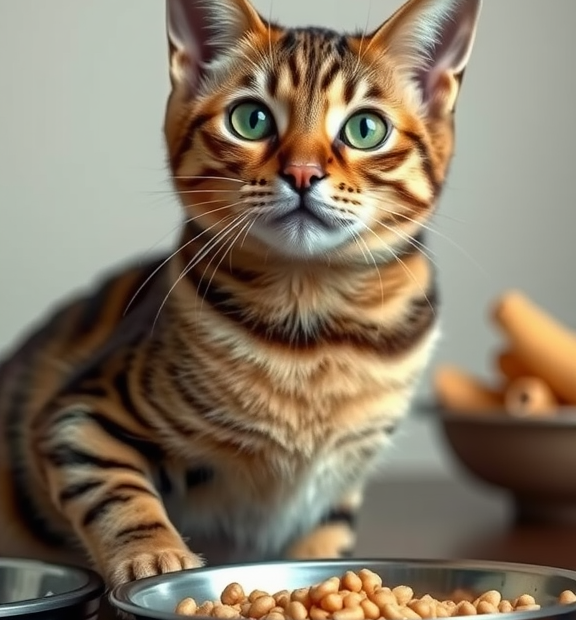
How to Handle a Picky Bengal Cat Not Touching Food: Practical Solutions
Understanding Why Your Bengal Cat Refuses to Eat
When your Bengal cat turns up its nose at food, it can be worrying. Bengals are known for their active and curious nature, making a sudden disinterest in eating puzzling. Before jumping to conclusions, it’s essential to understand that this picky eating behavior may stem from various causes. These could include health issues, stress, or simply a matter of taste preferences. Observing your cat’s overall behavior and environment can give clues about the problem.
If your Bengal cat is otherwise healthy but refuses food, the problem might be related to texture, temperature, or type of food. Bengals often prefer fresh, wet food over dry kibble because it resembles their natural diet more closely. Also, some Bengals develop a habit of turning down food due to boredom or lack of stimulation during mealtime.
Simple Tips to Encourage Your Bengal Cat to Eat
Making small changes to your cat’s feeding routine can make a huge difference. These easy-to-implement tweaks will help you tackle the issue of a picky Bengal cat not touching food.
1. Offer Variety in Flavors and Textures
Cats, especially Bengals, can be very particular about what they eat. Try offering different flavors such as chicken, fish, or turkey, and alternate between wet and dry food to find out what your cat prefers. Cats may also enjoy pate-style food versus chunks in gravy. Keep a record of which types get the best response.
2. Warm the Food Slightly
Warming the food to around body temperature can make it more appealing. The scent of warmed food is stronger, stimulating hunger in your Bengal. Avoid overheating, which could burn your cat’s mouth or reduce the nutrition quality.
3. Create a Calm Feeding Environment
Stress is a common reason cats avoid eating. Ensure your Bengal’s feeding area is quiet and away from loud noises or other pets that might intimidate your cat. Some Bengals prefer eating alone without distractions.
4. Use Puzzle Feeders or Interactive Toys
Bengal cats are intelligent and curious. Introducing puzzle feeders or interactive toys can engage their hunting instincts and encourage them to eat. These tools provide mental stimulation alongside mealtime, reducing boredom and increasing food interest.
Addressing Health and Routine Factors
If changes in food type and feeding environment don’t solve the problem, consider other factors like your Bengal cat’s health and feeding schedule.
Check for Medical Issues
A significant cause for a picky Bengal cat refusing food is an underlying illness. Dental problems, digestive upset, or infections can make eating uncomfortable. If your cat shows other symptoms – lethargy, vomiting, or weight loss – schedule a vet visit immediately.
Stick to Consistent Mealtimes
Cats thrive on routine. Establish set mealtime schedules instead of free feeding all day. Feeding meaningful portions around the same time helps your Bengal expect food and encourages a healthy eating habit.
Stay Patient and Avoid Overfeeding
Avoid tempting your Bengal to eat by supplying small snacks throughout the day. This can reduce appetite at mealtime. Keep treats minimal and use them as rewards rather than meal substitutes.
Additional Fixes to Help Your Bengal Start Eating Again
If the above steps don’t work, a few extra strategies can help bring back your cat’s appetite.
- Switch to High-Quality Premium Foods: Sometimes picky eating stems from poor-quality ingredients. Opt for grain-free, high-protein cat food with natural ingredients and fewer fillers.
- Try Feeding by Hand: Gently offering food by hand can create a bonding experience and may entice your Bengal to taste and eventually eat independently.
- Introduce New Scents: Mixing in a small amount of tuna juice or chicken broth into the food can enhance aroma and appeal without overwhelming the natural flavor.
- Ensure Fresh Water Access: Hydration is vital for appetite regulation. Always provide fresh, clean water to keep your Bengal cat healthy and interested in food.
Keeping Your Bengal Cat Happy and Well-Fed
Dealing with a picky Bengal cat not touching food requires patience and understanding. By experimenting with flavors, creating a comfortable feeding space, maintaining a healthy routine, and checking for health concerns, you’ll find the perfect solution in no time. Remember, each Bengal is unique, so what works for one might take a few tries for another.
Stay attentive to their needs, and you’ll help your energetic friend get back on track with eating healthily and happily. With these practical solutions, ending the cat eat problem fast is within your reach — making mealtime enjoyable for both you and your Bengal cat.
Understanding Bengal Cats’ Eating Habits to Prevent Food Refusal
Why Bengal Cats Can Be Choosy Eaters
Bengal cats are known for their striking appearance and lively personality, but their eating habits can sometimes puzzle owners. Unlike many other cat breeds, Bengals often show pickiness or reluctance when it comes to mealtime. Understanding why your Bengal cat might refuse food is key to making mealtimes stress-free and ensuring your pet stays healthy and happy.
Bengal cats are naturally active and intelligent creatures. This intelligence often translates to high sensitivity and strong preferences, including in food choices. Their wild ancestry can influence their dietary demands—they prefer fresh, protein-rich meals. If a Bengal senses that the food isn’t fresh or suited to its tastes, it might simply walk away without eating.
Common Reasons Bengal Cats Refuse Food
Several factors can cause a Bengal to turn up its nose at its meal, including:
- Food Texture and Smell: Bengal cats can be particular about texture. They might prefer wet food over dry or vice versa. If the smell or texture of the food changes, it can affect their willingness to eat.
- Temperature Sensitivity: Bengals might prefer food served at room temperature rather than cold from the fridge, as warmer food is closer to the taste of freshly caught prey.
- Health Issues: If your Bengal suddenly stops eating or eats less, health problems such as dental pain, digestive upset, parasites, or infections might be the cause.
- Environmental Stress: Changes in the home, loud noises, new pets, or relocation can stress your Bengal, leading to appetite loss.
- Food Boredom: Eating the same food every day may bore your feline friend. Bengals, being curious and adventurous, often seek variety.
Simple Fixes to Encourage Your Bengal Cat to Eat
To tackle the problem when your picky Bengal cat is not touching food, try these straightforward strategies:
1. Offer Fresh and High-Quality Protein
Bengals thrive on protein-rich diets. Feeding fresh, high-quality meat-based wet food often grabs their attention. Avoid cheap fillers and grains that many cats find unappealing.
2. Warm the Food Slightly
Gently warming canned food to body temperature releases aromas that stimulate the cat’s appetite. Be sure it’s not too hot—just pleasantly warm.
3. Experiment with Food Textures
Try mixing textures in their meals. A combination of pate and chunks or wet and dry food might entice your Bengal to eat. Observing your cat’s preference for crunchy or soft foods can guide your food choices.
4. Maintain a Quiet, Comfortable Feeding Area
Feed your Bengal in a calm, low-traffic area to minimize stress. Avoid loud noises and sudden movements while they are eating.
5. Rotate Flavors and Brands
Introduce a rotation of different flavors and brands to keep meals exciting. Bengals often appreciate variety, which imitates their natural hunting experience.
6. Keep Feeding Times Consistent
Regular feeding schedules help your cat establish eating routines. Avoid free-feeding dry food all day, as scheduled meals can encourage better appetite regulation.
7. Monitor Health Closely
If your Bengal cat’s food refusal lasts more than 24-48 hours or is accompanied by other symptoms like vomiting, weight loss, or lethargy, consult a veterinarian immediately. Identifying medical causes early can prevent serious complications.
Creating a Positive Eating Experience for Your Bengal Cat
Bengal cats value their independence and comfort. Helping your feline friend develop a positive association with mealtime can make a big difference. Praise your cat gently during feeding, and never rush or force them to eat. Using puzzle feeders or food-dispensing toys can also encourage mental stimulation and mimic their natural hunting instincts.
Keep in mind that patience is essential. Some Bengal cats take time to adjust to new foods or feeding routines, but with consistent care and attention, they will often return to regular eating habits quickly.
Signs Your Bengal Cat’s Eating Habits Are Healthy
- Consistent appetite and regular eating times.
- Steady weight without sudden loss or gain.
- Bright eyes and active behavior.
- Normal grooming habits.
- Regular, firm stools and no signs of digestive upset.
If these signs are present, you can feel confident that your Bengal’s eating needs are being met. If not, revisiting food choices, feeding methods, or vet consultations will help get your picky Bengal cat back on track.
Addressing food refusal in Bengal cats requires a thoughtful approach rooted in understanding their instincts and preferences. By catering to their unique needs and preferences, you can overcome picky eating habits and provide a nutritious, enjoyable diet for your Bengal companion.
Conclusion
Dealing with a picky Bengal cat that refuses to touch its food can be frustrating, but armed with practical solutions, you can turn mealtime into a stress-free experience for both of you. By observing and adapting to your Bengal’s unique eating habits, you gain insight into their preferences and tendencies, which is key to preventing food refusal. Simple changes like varying their diet, offering fresh and appetizing meals, and creating a calm feeding environment often make a significant difference.
Remember, Bengals are known for their selective palates and high intelligence. They may reject food due to boredom, texture, or even the feeding routine. Offering a mix of wet and dry foods, warming meals to enhance aroma, or trying different feeding locations can reignite their interest in eating. Patience and consistency also help to build trust and encourage healthy eating habits.
Ultimately, understanding your Bengal cat’s behavior and needs makes it easier to address picky eating effectively. When you respond thoughtfully to their signals, you foster a happier, healthier pet with a better appetite. Applying these simple fixes not only ends the cat eat problem fast but also strengthens the bond between you and your Bengal companion. With care and attention, you’ll watch your finicky feline enjoy mealtime again, ensuring they get the nutrition they need to thrive.