Effective Strategies for Preventing Obesity in Ragdoll Cats
Understanding the Risk of Obesity in Ragdoll Cats
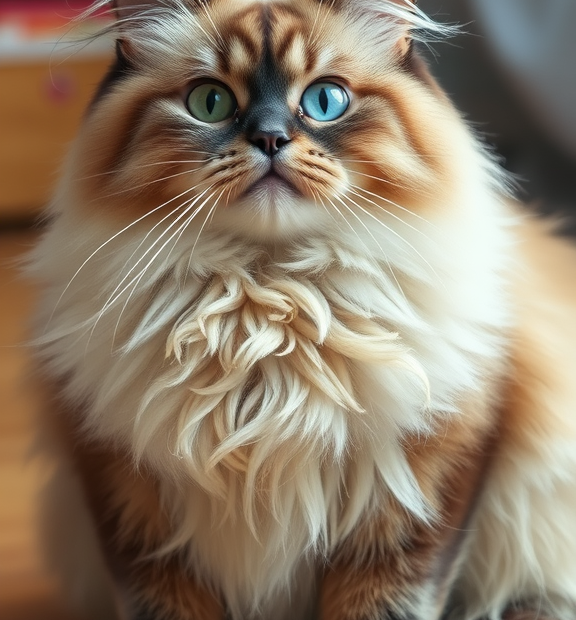
Ragdoll cats are known for their gentle temperament and fluffy appearance, making them beloved companions. However, their calm nature can sometimes lead to a sedentary lifestyle, increasing the risk of obesity. Excess weight in Ragdolls not only affects their mobility and energy levels but also exposes them to health problems such as diabetes, arthritis, and heart disease. Recognizing the importance of preventing obesity is key to ensuring your Ragdoll stays healthy and happy for years to come.
Balanced Nutrition: The Foundation of Healthy Weight
Feeding your Ragdoll cat the right diet is crucial in preventing obesity. Many cat owners tend to overfeed or rely on calorie-dense treats, which can quickly add up. To maintain a healthy weight:
- Choose high-quality cat food: Opt for products that list meat or fish as the first ingredient and avoid fillers like corn and soy.
- Control portion sizes: Follow feeding guidelines specific to your cat’s age, size, and activity level, and use a measuring cup to avoid guesswork.
- Limit treats: Treats should make up no more than 10% of your cat’s daily calorie intake.
- Consider special formulas: Weight management or indoor cat formulas usually have fewer calories and added fiber to help your cat feel full.
Always consult your veterinarian before making significant changes to your cat’s diet. Proper nutrition tailored to their needs sets the stage for long-term health.
Keeping Your Ragdoll Active Through Play and Exercise
Physical activity is just as vital as diet in maintaining a healthy weight. Ragdolls can be less active compared to other breeds, but finding enjoyable ways to engage them makes a big difference.
- Interactive toys: Feather wands, laser pointers, and puzzle feeders encourage movement and mental stimulation.
- Scheduled playtimes: Dedicate at least two 15-minute sessions daily to active play, which helps burn calories and strengthens your bond.
- Climbing structures: Cat trees and shelves encourage climbing and jumping, promoting muscle tone.
- Encourage exploration: Safe outdoor enclosures or supervised outdoor time can provide additional exercise opportunities.
Regular exercise not only helps prevent obesity but also improves your Ragdoll’s mood and reduces destructive behaviors caused by boredom.
Monitoring Weight and Body Condition
Keeping an eye on your Ragdoll’s weight and body condition helps detect potential issues early. Here are simple methods you can use at home:
- Feel the ribs: You should be able to feel the ribs easily with a thin layer of fat covering.
- Look at the waist: Viewed from above, your cat should have a noticeable waist behind the ribs.
- Check the profile: From the side, the belly should tuck up behind the ribcage.
- Use a scale: Weigh your cat regularly and compare it against breed-specific weight ranges.
If you notice gradual weight gain or difficulty feeling ribs, consult your veterinarian. Early intervention can prevent obesity from becoming a serious problem.
Creating a Healthy Lifestyle with Routine Veterinary Care
Regular veterinary visits are essential in preserving your Ragdoll’s health and preventing obesity-related issues. Your vet can:
- Assess body condition and recommend diet adjustments.
- Screen for underlying medical conditions that might contribute to weight gain.
- Suggest an exercise plan tailored to your cat’s age and physical capabilities.
- Provide guidance on supplementing your cat’s nutrition if needed.
Routine checkups also ensure that your furry friend receives vaccinations and dental care, which contribute to overall wellness and vitality.
The Role of Environmental Enrichment in Maintaining a Healthy Weight
Ragdolls thrive in enriched environments that promote curiosity and activity. Stimulating surroundings can prevent boredom eating and encourage movement.
- Rotate toys: Regularly change toys to keep your cat interested and engaged.
- Provide scratching posts: These not only maintain claw health but also encourage stretching and activity.
- Food puzzles and treat dispensers: These encourage mental challenge and physical effort to earn food.
- Interactive time with family: Play sessions with family members increase physical activity and emotional bonding.
By creating a vibrant home environment, you help your Ragdoll stay active, reducing the likelihood of obesity caused by inactivity.
Adapting to Life Stages and Health Changes
As your Ragdoll ages, their metabolism and activity needs will change. Kittens often require more calories and playtime, whereas senior cats need fewer calories and gentler exercise.
- Adjust feeding amounts as advised by your vet throughout your cat’s life.
- Observe changes in activity levels and tailor exercise opportunities accordingly.
- Watch for signs of weight gain or loss as these could indicate health issues.
Proactively managing lifestyle changes helps prevent obesity at every stage and keeps your Ragdoll feeling their best.
Preventing obesity in Ragdoll cats involves a holistic approach combining balanced nutrition, regular exercise, environmental enrichment, and attentive care. By investing time into these strategies, you ensure your feline friend enjoys a healthier, happier life free from the complications of excess weight.
The Role of Diet and Exercise in Maintaining a Healthy Ragdoll Cat
Keeping your Ragdoll cat in optimal health means paying close attention to both their diet and their level of physical activity. These two factors play a crucial role in preventing obesity, a common issue that can affect this gentle breed. By understanding what your Ragdoll needs nutritionally and how to encourage regular exercise, you can help them live a happier, longer life.
Understanding Nutritional Needs for a Healthy Ragdoll
Ragdolls are known for their large size and plush coats, but this also means they require a balanced diet tailored to support their metabolism and overall well-being. When choosing food, prioritize options rich in high-quality animal proteins, as cats are obligate carnivores. Proteins help maintain muscle mass and keep energy levels steady throughout the day.
Keep an eye on the calorie content of your cat’s meals as well. Overfeeding or providing too many high-calorie treats easily leads to unwanted weight gain. Measure portions carefully based on your cat’s weight, age, and activity level. Many commercial cat foods now offer guidance on serving sizes, but consulting with a veterinarian for personalized advice is always best.
In addition, ensure your cat’s diet includes essential nutrients like taurine, omega-3 fatty acids, and vitamins. These support heart health, immune function, and a shiny coat—common concerns in Ragdolls due to their size and coat requirements. Avoid feeding your cat excessive carbohydrates, which can contribute to weight gain and don’t fulfill their dietary needs as effectively as protein does.
Encouraging Exercise for Weight Management and Well-Being
Ragdoll cats are generally calm and affectionate, enjoying leisurely play sessions rather than high-energy bursts. However, this relaxed personality can contribute to a sedentary lifestyle, increasing the risk of obesity if activity isn’t encouraged.
Tips to Increase Your Ragdoll’s Activity Levels:
- Interactive Toys: Use feather wands, laser pointers, or motorized toys to invite your cat to chase and pounce.
- Scheduled Playtime: Dedicate at least two 10-15 minute play sessions daily to keep your cat engaged and moving.
- Climbing Structures: Provide cat trees or shelves where your Ragdoll can climb and jump, helping promote natural behaviors.
- Environmental Enrichment: Rotate toys regularly and consider puzzle feeders that stimulate both mind and body.
Encouraging even moderate exercise can help maintain muscle tone and metabolic rate, preventing the gradual weight gain that often goes unnoticed until it becomes problematic.
Monitoring Progress and Adjusting Strategies
Preventing obesity requires ongoing attention. Keep regular track of your Ragdoll’s weight and body condition. A healthy cat should have a visible waist when viewed from above and a slight tummy tuck when viewed from the side. You should be able to feel their ribs without pressing too hard, but they should not be overly prominent.
If you notice your cat is gaining weight, adjust their food intake and increase playtime accordingly. Conversely, if they are losing weight unexpectedly, a vet visit is necessary to rule out health issues. Remember, prevention is much easier than managing obesity once it develops, as excess weight can lead to diabetes, arthritis, and heart issues.
Feeding Habits That Support Healthy Weight
Establishing good feeding habits is key. Avoid free-feeding, which allows your cat unlimited access to food and can lead to overeating. Instead, feed measured amounts at set times. This approach helps regulate calorie intake and creates routine, which cats generally appreciate.
Consider using slow feeders or puzzle feeders as these not only slow down your cat’s eating pace but also provide mental stimulation. Rapid eating can sometimes contribute to digestive problems and overeating, so slow meals help maintain steady digestion and appropriate calorie consumption.
Why Preventing Obesity is Crucial for Ragdolls
Obesity in Ragdoll cats can compromise their quality of life significantly. Extra weight puts strain on joints and organs, increasing the risk of arthritis, respiratory difficulties, and diabetes. Maintaining a healthy weight helps your Ragdoll move with ease and enjoy their calm yet playful nature without discomfort.
Healthy diet and consistent activity form a foundation for your cat’s overall wellness. By focusing on these areas, you’re not only preventing obesity but also supporting mental health, longevity, and a vibrant, glossy coat.
In short, the combination of balanced nutrition and daily exercise is essential. Paying close attention to the food you provide and the play opportunities you encourage can make a lasting difference in keeping your Ragdoll cat healthy, happy, and full of life.
Conclusion
Preventing obesity in your Ragdoll cat is essential for ensuring a long, happy, and healthy life. By focusing on effective strategies such as controlling portion sizes, providing balanced meals, and encouraging regular playtime, you can actively reduce the risk of your cat gaining excess weight. Remember, Ragdoll cats love interactive toys and gentle exercise that keep them moving without overwhelming them.
A well-planned diet plays a crucial role in maintaining your pet’s health. Choosing nutrient-rich food with the right balance of protein, fats, and carbohydrates helps support their unique metabolism. Avoid overfeeding treats and high-calorie snacks, as these can quickly add up. Pairing this with consistent, enjoyable physical activity encourages your Ragdoll cat to burn calories and stay fit.
Keeping an eye on your Ragdoll’s weight and overall condition will help you catch early signs of obesity before serious problems develop. Regular vet check-ups, along with a tailored diet and exercise plan, create a strong foundation for your cat’s wellbeing. By dedicating attention to these aspects, you provide the best care to prevent obesity and keep your Ragdoll cat energetic and thriving for years to come.