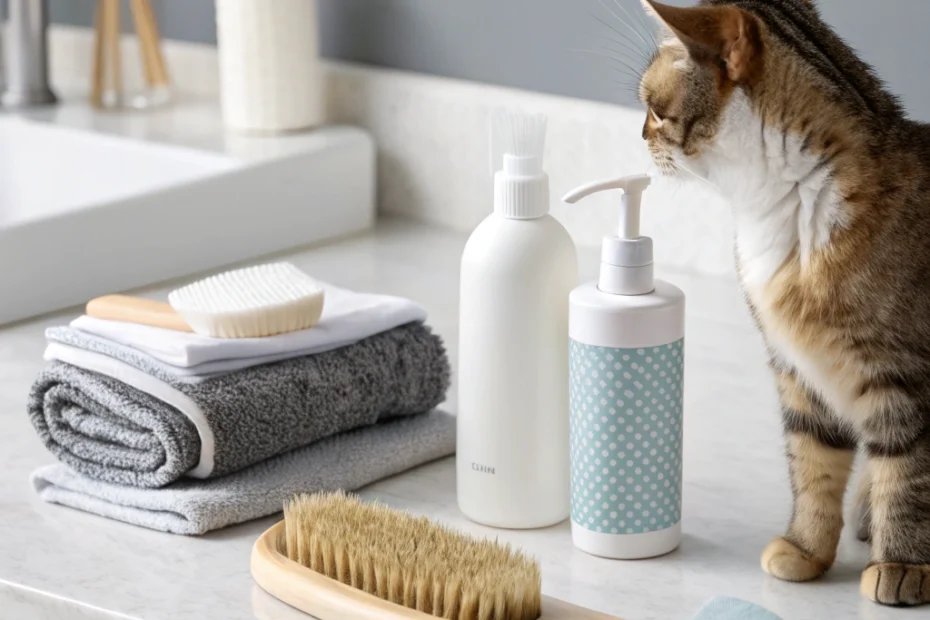
At-a-Glance
As a cat owner, you know the joys and challenges of sharing your home with a feline friend. Cats are curious creatures, and their natural instincts can sometimes lead to scratched furniture and damaged belongings. A cat furniture protector may help you maintain the beauty of your home while allowing your cat to express their natural behaviors. In this guide, we’ll explore what a cat furniture protector is, how to choose the right one, and how it can support a harmonious living environment for both you and your cat.
How to Choose
Choosing the right cat furniture protector involves considering several factors that align with your cat’s needs and your home’s aesthetics. Here are some key points to consider:
Material
Cat furniture protectors come in various materials, including plastic, fabric, and vinyl. Each material has its advantages and may suit different types of furniture. Plastic protectors are often transparent and can blend seamlessly with your decor, while fabric options may offer a softer touch.
Size and Fit
Ensure that the protector fits your furniture properly. Measure your furniture and compare it with the dimensions of the protector. A snug fit can prevent slipping and ensure that all areas are covered.
Ease of Installation
Look for protectors that are easy to install and remove. Some options come with adhesive backing, while others may use straps or ties. Consider how frequently you’ll need to adjust or clean the protector.
Durability
Durability is essential, especially if your cat is particularly active. Choose a protector that can withstand scratching and general wear and tear.
Safety & Setup
Setting up a cat furniture protector involves more than just placing it on your furniture. Here are some safety and setup tips to ensure a smooth process:
- Secure Attachment: Make sure the protector is securely attached to prevent it from becoming a hazard. Loose protectors can cause trips or falls.
- Non-Toxic Materials: Verify that the materials used in the protector are non-toxic and safe for your cat to interact with.
- Monitor Initial Reactions: Observe your cat’s reaction to the new addition. Some cats may be curious or wary at first, so gradual introduction can help.
- Regular Maintenance: Clean the protector regularly to prevent the buildup of fur and dirt, which can affect its effectiveness.
Core Pillars
The core pillars of using a cat furniture protector include protection, comfort, and harmony. These elements work together to create a balanced environment for both you and your cat.
Protection
The primary function of a cat furniture protector is to safeguard your furniture from scratches and damage. By providing a barrier, it can help maintain the appearance and longevity of your belongings.
Comfort
While protecting your furniture, it’s essential to ensure that your cat remains comfortable. Choose materials that are gentle on their paws and don’t restrict their natural movements.
Harmony
Achieving harmony between your cat’s needs and your home’s aesthetics is crucial. A well-chosen protector can blend into your decor and support a peaceful coexistence.
Placement & Environment Tips
Proper placement and environmental considerations can enhance the effectiveness of your cat furniture protector. Here are some tips:
- Strategic Placement: Place protectors on furniture pieces that your cat frequently interacts with, such as sofas, chairs, and beds.
- Complement with Scratching Posts: Provide alternative scratching options like scratching posts or pads to divert your cat’s attention from furniture.
- Create a Cat-Friendly Space: Designate areas in your home where your cat can play and explore without restrictions.
- Observe and Adjust: Monitor your cat’s behavior and make adjustments to the placement of protectors as needed.
Comparison with Alternatives
While cat furniture protectors are a popular choice, there are other alternatives to consider. Here’s how they compare:
Scratching Posts and Pads
Scratching posts and pads are commonly used to redirect your cat’s scratching behavior. They can be effective but may not fully protect your furniture.
Deterrent Sprays
Deterrent sprays can be applied to furniture to discourage scratching. However, some cats may not respond to these sprays, and they require regular reapplication.
Training and Behavior Modification
Training your cat to avoid certain areas can be effective but requires patience and consistency. It may not be suitable for all cats.
FAQs
Here are some common questions about cat furniture protectors:
- Do cat furniture protectors work for all types of furniture? They are designed to fit most furniture types, but it’s essential to choose the right size and material for your specific needs.
- Will my cat stop scratching if I use a protector? While a protector can reduce damage, it’s also important to provide alternative scratching options and engage in behavior training.
- Are there any risks associated with using protectors? Ensure that protectors are securely attached and made from non-toxic materials to minimize risks.
What to Do Next
Now that you have a comprehensive understanding of cat furniture protectors, you can make an informed decision about whether they are right for your home. Consider your cat’s behavior, your furniture type, and your aesthetic preferences. Remember, the goal is to create a harmonious living environment where both you and your cat can thrive. If you have any concerns or questions about your cat’s behavior or health, consult your veterinarian for personalized advice.
Disclaimer: Always consult your veterinarian for personalized advice regarding your cat’s health.