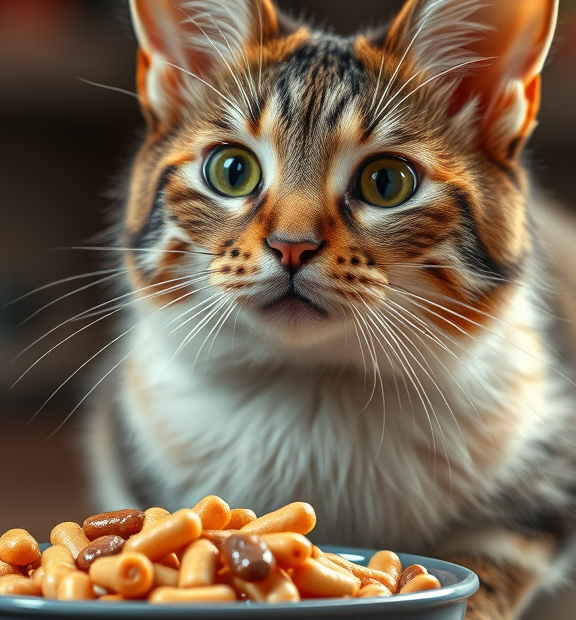
Understanding the Nutritional Needs of Cats: The Role of Rabbit Cat Food
Why Protein Matters Most for Cats
Cats are obligate carnivores, which means they rely heavily on animal-based proteins to stay healthy. Unlike dogs or omnivorous animals, cats have evolved to extract essential nutrients from meat, making protein the cornerstone of their diet. One of the best protein sources is rabbit meat, known for being lean, highly digestible, and packed with essential amino acids that cats need for muscle maintenance, energy, and overall wellbeing.
What Makes Rabbit Cat Food a Great Option?
Rabbit cat food is gaining popularity among pet owners who want to provide a high-quality, novel protein source for their feline companions. Here’s why rabbit meat stands out:
- Hypoallergenic Benefits: Some cats develop allergies or sensitivities to common proteins like chicken or beef. Rabbit protein is less likely to trigger these reactions, making it an excellent alternative for sensitive cats.
- Rich in Essential Nutrients: Rabbit meat delivers key vitamins and minerals such as B vitamins, phosphorus, and zinc, which support immune health, digestion, and strong bones.
- Low Fat Content: Rabbit is naturally lean, which can help manage weight and provide lean muscle mass without excess calories.
Rabbit cat food into your cat’s diet can diversify their protein intake and add a nutritional boost that may improve their overall health.
The Role of Taurine in Rabbit-Based Diets
Taurine is an essential amino acid that cats cannot produce in sufficient amounts on their own. It plays a critical role in heart health, vision, and reproduction. Rabbit meat is a natural source of taurine, making it an excellent choice in specialized cat foods designed to meet all of a cat’s nutritional requirements. When selecting rabbit cat food, look for products that guarantee the right taurine levels to support these vital functions.
Balancing Rabbit Cat Food with Other Nutrients
While rabbit is a fantastic protein source, cats also need fats, vitamins, and minerals for a balanced diet. High-quality rabbit cat food formulas often include:
- Fats: Essential fatty acids from fish oils or chicken fat provide energy and promote healthy skin and coat.
- Vitamins and Minerals: Ingredients like taurine, vitamin E, and calcium are often added to rabbit cat foods to ensure complete nutrition.
- Fiber: Some rabbit cat foods include small amounts of fiber from sources like pumpkin or beet pulp to aid digestion and maintain bowel health.
A well-formulated rabbit-based diet ensures your cat receives everything necessary for a healthy, energetic life.
Choosing the Right Rabbit Cat Food for Your Cat
When shopping for rabbit cat food, there are a few key factors to keep in mind to ensure your cat benefits fully:
- Ingredient Quality: Look for products that list rabbit meat as the first ingredient, avoiding those that rely on fillers or by-products.
- Complete and Balanced Nutrition: Check for AAFCO or similar certifications that confirm the food meets established nutritional standards for cats.
- Grain-Free vs. Grain-Inclusive: Decide whether your cat requires a grain-free option—some cats tolerate grains, while others do better without them.
- Age and Health Considerations: Choose rabbit cat food formulations designed specifically for kittens, adult cats, or senior cats to meet their changing needs.
By carefully reviewing these factors, you can confidently provide your cat with a diet that supports their health and happiness.
Common Misunderstandings About Rabbit Cat Food
It’s important to clarify some misconceptions about rabbit-based cat food:
- Rabbit Meat is Not a Fad, But a Real Solution: Many people assume rabbit meat is just a trendy ingredient, but its nutritional profile makes it genuinely beneficial for cats, especially those with allergies.
- Not All Rabbit Cat Foods Are Equal: Some products might label themselves with rabbit but only contain a small percentage of rabbit meat. Always read labels carefully.
- Introducing New Proteins Requires Caution: Transition slowly to rabbit cat food to avoid digestive upset and allow your cat’s system to adjust.
Understanding these points can help you make informed decisions about your cat’s nutrition.
Enhancing Your Cat’s Diet with Rabbit Cat Food
If you decide to introduce rabbit cat food as part of your cat’s daily meals, it can offer long-term health benefits:
- Supports healthy muscle development due to high protein quality
- Helps manage food allergies and sensitivities
- Improves coat shine and skin condition thanks to balanced nutrients
- Provides an alternative, enriching meal experience for picky eaters
Always consult with your veterinarian before making major changes to your cat’s diet, especially if your cat has pre-existing health issues.
Final Thoughts on Feeding Cats with Rabbit-Based Food
Selecting appropriate cat food that meets your feline’s unique nutritional needs is essential for their longevity and vitality. Rabbit cat food offers a viable, nutrient-rich option that not only satisfies their natural carnivorous instincts but may also alleviate common dietary sensitivities linked to traditional protein sources. By focusing on quality ingredients and balanced nutrition, rabbit cat food can play a valuable role in keeping your feline friend happy, healthy, and thriving throughout all stages of life.
How to Choose the Best Rabbit Cat Food for Your Feline Friend
Feeding your cat the right food is essential to keep them healthy, active, and happy. When considering rabbit cat food, it’s important to understand why this type of food is becoming popular and how to select the best option for your feline friend. Rabbit-based cat food is often praised for its high protein content and hypoallergenic qualities, making it an excellent choice for cats with sensitivities or allergies to traditional protein sources like chicken or beef.
Why Choose Rabbit Cat Food for Your Cat?
Rabbit meat is naturally rich in protein and low in fat. Unlike common proteins such as chicken or fish, rabbit is less likely to cause allergic reactions in cats, which makes rabbit cat food ideal for those with food sensitivities. The protein in rabbit helps support muscle development and overall energy, meaning it’s great for both kittens and adult cats. It’s also packed with essential amino acids that cats need but cannot produce on their own.
Rabbit cat food can be found in both wet and dry forms, giving you flexibility based on your cat’s preferences and needs. Cats sometimes prefer wet food because it helps with hydration, while dry food is convenient and aids in dental health. Understanding the benefits of each type will help you make the best decision.
Key Ingredients to Look for in Rabbit Cat Food
When selecting rabbit cat food, carefully check the ingredient list to ensure your cat is getting quality nutrition. Here are some points to consider:
- High-quality rabbit meat: Look for foods listing rabbit as the first ingredient. This ensures your cat receives a substantial amount of real animal protein.
- No artificial additives: Avoid cat foods with fillers like corn, soy, or wheat, as these can be harder to digest and might trigger allergies. Also, steer clear of artificial colors, flavors, or preservatives.
- Balanced nutrients: A good rabbit cat food will include essential vitamins and minerals such as taurine, omega fatty acids, and antioxidants to promote heart, skin, and immune health.
- Grain-free formulas: Many cats benefit from grain-free diets, especially if they have sensitive stomachs.
Choosing Between Wet and Dry Rabbit Cat Food
Selecting between wet and dry food depends on your cat’s health needs and preferences. Here’s how they compare:
- Wet rabbit cat food: Contains higher moisture content, helping with hydration. This is especially beneficial for cats who don’t drink much water on their own. Wet food often has a stronger aroma and taste, making it more appealing to picky eaters.
- Dry rabbit cat food: Easier to store and feed without spoiling quickly. Dry kibbles can assist in maintaining dental health by reducing plaque buildup.
You might consider rotating between both types or consulting your vet to find the best option based on your cat’s specific needs.
Signs Your Cat Will Benefit from Rabbit Cat Food
If your cat shows symptoms of allergies, such as itching, hair loss, or digestive upset, a switch to rabbit cat food might provide relief. Rabbit protein is less commonly found in standard cat foods, reducing exposure to common allergens. Additionally, some cats with sensitive stomachs may tolerate rabbit cat food better, leading to improved digestion and stool quality.
Keep a watchful eye on your cat’s behavior and health once you switch to a rabbit-based diet. Any positive changes in activity level, coat condition, or stool should be noted. If your cat shows any signs of intolerance or adverse reactions, consult your veterinarian right away.
Tips for Transitioning Your Cat to Rabbit Cat Food
Switching your cat’s food too rapidly can cause digestive upset. When introducing rabbit cat food:
- Start by mixing a small amount of the new rabbit cat food with your cat’s current food.
- Gradually increase the ratio of rabbit food over 7 to 10 days until the switch is complete.
- Monitor your cat for any signs of discomfort or allergies during this period.
- Keep fresh water available at all times, especially if feeding mostly dry rabbit cat food.
Buying Tips and Considerations
When choosing a brand or product, consider these factors to get the best rabbit cat food:
- Look for reputable brands: Choose brands known for quality control and transparency in ingredient sourcing.
- Check for AAFCO approval: Products meeting the standards of the Association of American Feed Control Officials (AAFCO) ensure balanced nutrition for cats.
- Read customer reviews: Other cat owners can provide insights into how well their cats accept and tolerate the food.
- Consider your cat’s unique needs: Age, weight, activity level, and health conditions should influence your decision.
Rabbit cat food provides a fresh and nutritious protein option for felines, especially those with allergies or sensitive stomachs. By understanding its benefits and carefully evaluating ingredients, you can confidently choose the best food that keeps your cat thriving. Always pair dietary changes with vet advice to ensure your feline friend stays on a healthy path.
Conclusion
Choosing the right food for your cat is essential for their health and happiness. Rabbit cat food offers a unique option that meets the specific nutritional needs of many cats, especially those with sensitivities or allergies to more common proteins. By providing a rich source of high-quality protein and essential nutrients, rabbit-based formulas can support your feline’s overall well-being, from maintaining a healthy coat to supporting digestive health.
When selecting the best rabbit cat food, it’s important to look for products that use real rabbit meat as the primary ingredient. Also, consider options free from fillers, artificial additives, and by-products, which ensures your cat gets the best nutrition without unnecessary extras. Reading labels carefully and consulting your veterinarian can guide you in making a choice tailored to your cat’s individual situation. Remember, every cat is different, so it’s key to observe how your feline responds to the new food and adjust accordingly.
Choosing rabbit cat food can be a smart step toward providing your furry friend with a balanced, allergy-friendly diet. Paying close attention to ingredient quality and your cat’s unique needs will help you support their health for years to come.