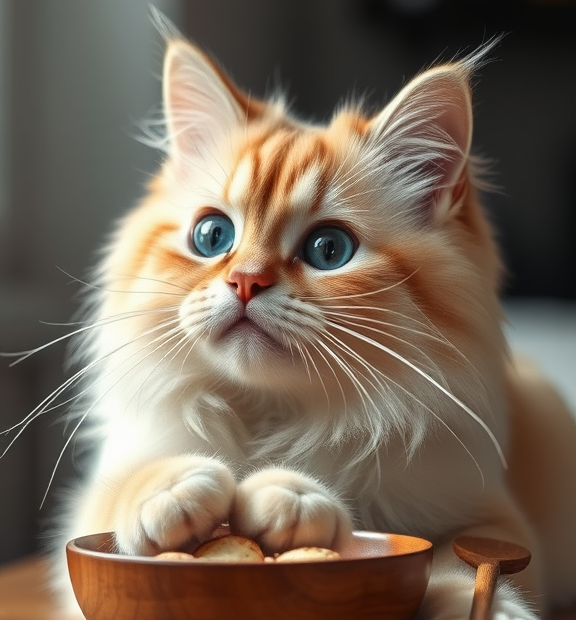
Common Causes Behind Ragdoll Cat Eat Problems and How to Identify Them
Why Is Your Ragdoll Cat Struggling to Eat?
When you notice your gentle Ragdoll cat is having trouble eating, it can be worrisome. These soft-spoken felines are known for their calm and cuddly nature, so a sudden change in their eating habits often signals an underlying issue. Several factors could be causing your cat’s eating problems, ranging from medical conditions to environmental stressors. Understanding these causes will help you address the issue effectively and bring back your kitty’s appetite.
Health-Related Causes Affecting Appetite
Health problems are among the most common reasons why a Ragdoll cat may refuse to eat or eat less than usual. Some ailments directly interfere with their ability to chew or swallow, while others reduce their overall desire to eat.
Dental Issues
Dental pain is a frequent culprit. Conditions such as gingivitis, tooth decay, or a broken tooth can make chewing painful. Your Ragdoll may paw at its mouth, drool excessively, or avoid hard food altogether if dental problems are present.
Digestive Disorders
Gastrointestinal diseases like gastritis, inflammatory bowel disease, or constipation can cause nausea or discomfort, leading to reduced food intake. Watch out for vomiting, diarrhea, or changes in stool consistency, which often accompany digestive issues.
Infections and Illnesses
Systemic infections, fevers, or diseases like feline leukemia and feline immunodeficiency virus can weaken a cat’s immune system and dull their appetite. If your Ragdoll is lethargic, hiding, or showing other signs of illness, it’s important to get a veterinary checkup.
Other health-related issues such as kidney disease, liver problems, or diabetes also decrease appetite over time. Early detection through vet visits is crucial for managing these conditions.
Behavioral and Environmental Factors
Sometimes, changes in environment or behavior might cause your Ragdoll to eat less. These factors are often overlooked but play a significant role in a cat’s eating habits.
- Stress and Anxiety: Ragdolls are sensitive creatures; loud noises, new pets, or visitors may stress them out, leading to appetite loss.
- Changes in Diet: Sudden switches in food flavor, brand, or texture can make your cat hesitant to eat.
- Uncomfortable Feeding Area: A noisy or hard-to-reach feeding station or dirty bowls might discourage eating.
- Boredom or Lack of Stimulation: Cats sometimes lose interest in food if they’re bored or inactive for long periods.
How to Identify What’s Wrong with Your Ragdoll’s Eating Habits
Pinpointing the cause behind your cat’s eating problems requires careful observation and sometimes professional advice. Here are practical steps to help you understand what might be going on:
Observe Your Cat’s Behavior Closely
Note any changes in how your Ragdoll approaches food. Are they sniffing the food but not eating? Do they chew on one side only? Are they drinking less water as well? Look out for signs of discomfort such as pawing at the mouth or drooling.
Monitor Their Weight and Body Condition
Regularly weigh your Ragdoll to catch any sudden weight loss. A losing appetite typically results in gradual or rapid weight reduction, which can be dangerous if ignored.
Track Eating Patterns and Preferences
Keep a feeding journal where you record what type of food you offer and how much your cat consumes each day. Pay attention to any new foods that trigger a drop in eating.
Check the Feeding Environment
Make sure the feeding spot is calm, quiet, and free from distractions. Clean bowls and fresh water should always be present. Try moving the feeding station to a different area if you suspect environmental stress.
Visit Your Veterinarian
If the eating problem persists for more than 24-48 hours or if you notice other symptoms like vomiting, lethargy, or excessive drooling, take your Ragdoll to the vet. Veterinary exams might include dental checks, blood tests, or imaging to diagnose any underlying health issues.
Additional Signs That Point to Specific Eating Problems
Understanding specific symptoms can lead you to the root cause faster:
- Bad Breath and Bleeding Gums: Suggest dental disease.
- Vomiting or Diarrhea: Indicate digestive problems.
- Excessive Drooling or Pawing at Mouth: Could signal oral pain or obstruction.
- Sudden Weight Loss with Increased Thirst: May suggest systemic diseases like diabetes or kidney disease.
Empathy and Patience Are Key
Remember that your Ragdoll’s eating issues might be temporary or chronic. Patience, careful monitoring, and kindness will help your cat feel comfortable and loved during this time. Prompt action and keen observation increase the chances of resolving eating problems quickly and safely.
Practical Tips and Techniques to Encourage Your Ragdoll Cat to Eat Healthy Again
When your gentle Ragdoll cat suddenly shows reluctance or disinterest in eating, it can be worrying. These soft-spoken felines are known for their calm nature and affectionate demeanor, but all cats can face eating challenges at some point. Whether the issue arises from health problems, stress, or changes in diet and environment, helping your Ragdoll regain a healthy appetite is essential for their well-being.
Identifying Why Your Ragdoll Cat Won’t Eat
Before diving into strategies, understanding the root cause helps tailor your approach. Some common reasons a Ragdoll cat might eat less or refuse food include dental pain, gastrointestinal issues, stress, or even boredom with the food. Older cats might have a diminished sense of smell or taste, making meals less enticing. When you notice a sudden decline in their eating habits, consult your vet to rule out medical concerns.
Tips to Encourage Your Ragdoll Cat to Eat
1. Create a Calm Eating Environment
Ragdolls thrive in stress-free surroundings. Place their food bowl in a quiet corner away from loud noises, other pets, or household activity. Offering meals in a peaceful space helps reduce anxiety and makes mealtime appealing.
2. Warm Up Their Food
Warming canned or wet food to around body temperature can enhance its aroma, stimulating your cat’s appetite. Use a microwave for a few seconds or warm the food by placing the dish in a container of warm water. Be careful not to overheat and always check the temperature before serving.
3. Offer Small, Frequent Meals
Instead of leaving food out all day, break meals into smaller portions served several times daily. This approach can encourage consistent eating, reduce food spoilage, and make the feeding experience less overwhelming for your Ragdoll.
4. Try Different Flavors and Textures
Ragdoll cats, like many felines, can have preferences for certain textures—wet, pate, chunks in gravy, or dry kibble. Experiment with various brands and flavors but avoid sudden food changes. Gradually mix new food with their usual diet over a few days to prevent digestive upset.
5. Enhance Palatability with Toppers
Sprinkle a bit of tuna juice, chicken broth (unsalted), or specially made cat food toppers on meals. These can entice your cat to eat by improving the food’s aroma and taste without changing the base diet too much.
6. Maintain Consistent Feeding Times
Cats appreciate routine. Feeding your Ragdoll at the same times every day helps create a predictable environment and builds anticipation for mealtime.
7. Check the Food Bowls
Sometimes, the type of bowl used affects eating. Some cats dislike plastic bowls because they retain odors or cause discomfort. Try shallow ceramic or stainless-steel bowls to see if this improves your kitty’s willingness to eat.
8. Provide Fresh Water Nearby
Dehydration can suppress appetite. Keep a clean water bowl close to the feeding station. Using a cat water fountain can encourage drinking, benefiting overall health and appetite.
9. Engage in Play Before Meals
Gentle play sessions before feeding can stimulate hunger naturally. Short interactive games with toys can awaken your Ragdoll’s interest and improve their desire to eat once mealtime arrives.
10. Monitor for Medical Issues
If your Ragdoll continues to avoid food despite your efforts, seek veterinary advice promptly. Conditions like dental disease, infections, or digestive illnesses require professional treatment to resolve underlying issues and restore appetite.
Additional Considerations for Your Ragdoll’s Eating Habits
Since Ragdolls are known for their sensitive personalities, being patient and gentle during feeding times is crucial. Avoid forcing or stressing your cat, as negative experiences can worsen appetite problems. Monitoring weight and behavior daily helps detect trends early. Using feeding puzzles or slow feeders can also add mental stimulation while making eating more engaging.
Through a combination of a calm environment, appealing food presentation, and attentive care, you can help your soft-spoken Ragdoll cat return to healthy eating habits. Remember that every cat is unique, so it may take some experimentation to find what works best for your feline friend. Consistency and compassion will guide your way to nurturing their health and happiness.
Conclusion
When your gentle Ragdoll cat struggles with eating, it’s often a sign that something is off, whether it’s a health issue, stress, or a change in their environment. Understanding the common causes behind eating problems—such as dental pain, digestive troubles, or anxiety—helps you spot the early warning signs and take action before the situation worsens. Paying close attention to your cat’s behavior and appetite changes is key to identifying these issues quickly.
Helping your soft-spoken kitty regain a healthy appetite doesn’t have to be complicated. Simple adjustments like offering warm, aromatic meals, changing feeding locations, or introducing a variety of textures can make a big difference. Encouraging gentle eating habits by using slow feeders, maintaining a quiet feeding environment, and consulting your vet for tailored advice will support your Ragdoll’s return to a balanced diet. Remember, patience and consistency are crucial when working with a sensitive cat.
By combining your awareness of the causes with practical, loving techniques, you create a supportive environment that encourages your Ragdoll to eat well again. This care not only improves their health but also strengthens the bond between you and your soft-spoken companion. Keep observing, adjusting, and reaching out to your vet when needed to ensure your kitty’s mealtime is once again a source of comfort and nourishment.