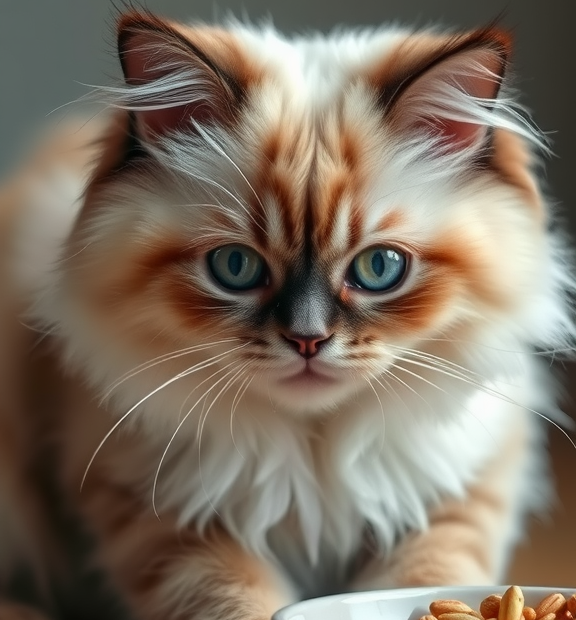
Ragdoll Cats and Feeding: Key Strategies to Prevent Obesity and Promote Optimal Health
Understanding the Feeding Needs of Ragdoll Cats
Ragdoll cats are known for their striking blue eyes, silky fur, and calm personalities. While they are gentle giants by nature, their size and laid-back demeanor can sometimes make them prone to weight gain if their diet and activity levels are not carefully managed. To keep your Ragdoll healthy, it’s essential to understand their unique feeding needs and how to avoid overfeeding, which can lead to obesity.
Unlike some active breeds that burn calories quickly, Ragdolls tend to be less energetic, which means they require fewer calories relative to their weight compared to more active cats. This slower metabolism combined with a tendency to enjoy lounging means you must be mindful of both the quantity and quality of food you provide. Overfeeding or offering too many high-calorie treats can quickly tip the scale towards excessive weight gain.
Choosing the Right Diet for Your Ragdoll
The foundation of preventing obesity in Ragdolls is providing a well-balanced diet tailored to their age, size, and health status. Choose high-quality commercial cat food that clearly lists animal protein as the primary ingredient. Protein is crucial for maintaining muscle mass, especially since Ragdolls have a muscular build.
Look for options that include:
- Real meat or fish as the first ingredient
- Moderate fat content – enough to supply energy without causing weight gain
- Essential fatty acids like omega-3 and omega-6 to support their luxurious coat
- Added vitamins and minerals for overall health and immune function
Pay close attention to the feeding guidelines on the packaging, but remember to adjust based on your cat’s individual needs. Because Ragdolls can vary in size, your pet might require slightly more or less food than the average recommendation. If you are uncertain, consulting your veterinarian is an excellent step to ensure your cat’s diet matches its lifestyle.
Feeding Schedule and Portion Control
One of the most effective ways to manage a Ragdoll cat’s weight is sticking to a consistent feeding schedule. Free-feeding (leaving food out all day) can encourage overeating, especially in cats with less active lifestyles. Serving meals specific times per day helps regulate intake and prevents snacking on excess calories.
Most adult Ragdolls thrive when fed two to three smaller meals daily. This approach helps maintain steady blood sugar levels and prevents hunger-driven begging, which sometimes leads to giving in to extra treats. Use a measuring cup to ensure each meal portion is precise, reducing the risk of accidental overfeeding.
Exercise to Support Weight Control
Diet alone won’t guarantee a healthy weight. Physical activity plays a vital role in burning calories and maintaining muscle tone. Though Ragdolls are naturally calm, they enjoy interactive play sessions when encouraged. Engage your cat with toys that mimic prey behavior, such as feather wands or laser pointers, to stimulate exercise and mental engagement.
Encouraging even short bursts of activity several times a day helps your Ragdoll stay fit. Additionally, providing climbing structures and scratching posts can motivate natural movements that contribute to burning calories. Together with balanced feeding, consistent playtime helps to maintain an ideal body condition and avoid obesity-related health concerns.
Recognizing Signs of Overweight and Obesity
Monitoring your Ragdoll’s weight regularly can catch early signs of weight gain. Some clear indicators include:
- Difficulty feeling ribs or spine under the fur
- Rounded abdomen or “pot-belly” appearance
- Reduced mobility or reluctance to play
- Excessive weight around the hips or chest area
If you notice these signs, it’s important to consult with your veterinarian promptly. Early intervention with a tailored diet and lifestyle plan often leads to better outcomes and healthier cats over the long term.
Special Dietary Considerations for Ragdoll Kittens and Seniors
Feeding needs vary across the various life stages of your Ragdoll cat. Kittens have higher energy and protein requirements to support rapid growth. Providing a kitten-specific diet ensures they get the nutrients needed without excess calories that can set the stage for obesity later.
Senior Ragdolls may slow down further and require fewer calories. Adjusting portion sizes and selecting senior formulas with appropriate nutrient profiles can prevent weight gain and support joint health in older cats.
Choosing Healthy Treats and Snacks
Treats can be part of bonding and training but must be given sparingly. Opt for low-calorie, nutritious treats and limit their daily amount to no more than 10% of your cat’s total caloric intake. Alternatively, small portions of cooked lean meats or freeze-dried cat treats offer a healthier way to reward your Ragdoll without contributing to unwanted weight gain.
Remember, treats should never replace balanced meals. Overusing snacks often leads to unbalanced nutrition and promotes obesity, undermining your efforts to maintain optimal health.
Final Thoughts on Maintaining a Healthy Ragdoll
Preventing obesity in Ragdoll cats requires a thoughtful approach combining proper diet, controlled feeding routines, and regular physical activity. By understanding your cat’s specific needs and providing appropriate nutrition, you can ensure your Ragdoll stays healthy, active, and happy for many years.
Consistent monitoring, consultation with your veterinarian, and making feeding adjustments when necessary are key steps in avoiding the pitfalls of obesity while promoting long-lasting well-being.
Creating a Balanced Diet Plan for Your Ragdoll Cat: Tips and Recommended Foods
Understanding Your Ragdoll Cat’s Nutritional Needs
Ragdoll cats are known for their large size, silky coats, and gentle personalities. Because of their unique physiology and calm demeanor, feeding them properly is crucial to maintaining their health. A balanced diet for your Ragdoll cat means providing all the essential nutrients without overfeeding, which can easily lead to obesity—a common problem with this breed. Understanding their nutritional needs is the first step toward creating a diet that supports their muscle development, energy levels, and overall vitality.
Ragdolls, like all cats, are obligate carnivores. This means their diet should primarily focus on high-quality animal proteins such as chicken, turkey, or fish. These proteins supply essential amino acids like taurine, which cats cannot produce on their own. Besides protein, a proper balance of fats and a limited amount of carbohydrates is necessary.
What to Include in Your Ragdoll Cat’s Daily Meals
To ensure your Ragdoll stays healthy and active, incorporate a variety of food groups. Here are important components to include:
- Animal-based proteins: Chicken, turkey, and fish are excellent sources that provide the nutrients needed to support muscle health.
- Healthy fats: These are vital for energy and coat health. Look for omega-3 and omega-6 fatty acids commonly found in fish oils and certain meats.
- Limited carbohydrates: Cats don’t need many carbs. Use them sparingly through sources like pumpkin or peas, which also offer fiber for digestion.
- Water: Hydration is often overlooked but is essential. Wet food can help increase water intake, which supports kidney function and overall health.
- Vitamins and minerals: Calcium, phosphorus, and vitamins like A and B-complex are important for bone strength and vital functions. A complete commercial cat food will usually meet these needs.
Recommended Foods for a Balanced Ragdoll Diet
Choosing the right food can be a challenge with so many options on the market. Here’s a breakdown of what to look for:
Commercial Cat Food: Dry vs. Wet
High-quality commercial cat foods offer convenience and balanced nutrition. Wet food is often preferred for Ragdolls, as it provides extra moisture and a softer texture that suits their eating habits. On the other hand, dry kibble helps with dental health and is easy to store but make sure it is grain-free or contains low amounts of carbohydrates. Many well-known brands formulate products specifically for large or senior cats—these can be great for adjusting portion sizes and nutrients to your Ragdoll’s life stage.
Raw and Homemade Diet Options
If you opt for a raw or homemade diet, it’s critical to consult a veterinarian or a pet nutritionist. A raw diet typically consists of raw meat, bones, and organ meats, mimicking what cats would naturally eat. Homemade meals can include cooked chicken, rice, and vegetables but must be carefully balanced with supplements to avoid nutrient deficiencies. While these diets can be beneficial, they require precise planning and hygiene to avoid health risks.
How to Prevent Obesity in Your Ragdoll Cat
Obesity is a frequent issue with Ragdolls because their laid-back nature leads to lower activity levels. To prevent your cat from gaining excessive weight, consider these strategies:
- Portion control: Measure food accurately and avoid free feeding. Provide meals at set times and quantities to regulate calorie intake.
- Use feeding puzzles: These can stimulate your cat’s mind and encourage physical activity while eating.
- Encourage playtime: Regular interactive play sessions help burn calories. Simple toys like feather wands or laser pointers can make a difference.
- Monitor weight: Weigh your Ragdoll regularly and adjust the diet accordingly. Even a small weight increase should be addressed promptly.
Adjusting the Diet Based on Life Stage and Health
The nutritional requirements of your Ragdoll change as they age. Kittens need higher protein and fat content to support growth, while adult cats should have balanced but calorie-controlled diets. Senior cats may require specific foods that support joint health and easier digestion. Always adjust their diet with attention to any health issues, such as diabetes or kidney disease, in consultation with your vet.
Creating a balanced diet plan for your Ragdoll means focusing on high-quality proteins, healthy fats, limited carbohydrates, and adequate hydration. By carefully selecting foods, controlling portions, and incorporating play, you can keep your furry friend healthy, active, and free from obesity.
Conclusion
Feeding your Ragdoll cat properly is one of the best ways to keep them healthy and happy throughout their life. By focusing on key strategies to prevent obesity, you can help your feline friend maintain an ideal weight and avoid health problems related to overeating. Remember that Ragdolls, with their calm nature, often have less active lifestyles, which makes it even more important to control portion sizes and avoid high-calorie treats.
Creating a balanced diet plan tailored to your Ragdoll’s needs is essential. A mix of high-quality protein, moderate fats, and the right amount of carbohydrates will support their muscle development and overall energy. Choosing recommended foods that include wet cat food or specially formulated dry food for indoor or less active cats can make a huge difference. Avoiding fillers and artificial additives also supports better digestion and nutrient absorption.
Regular feeding schedules help regulate your Ragdoll’s appetite and prevent overeating. Pairing this with encouraged play and gentle exercise helps keep their metabolism active without stressing their laid-back personality. Monitoring your cat’s weight and body condition regularly enables early detection of any issues, allowing you to adjust feeding plans promptly.
By paying attention to your Ragdoll cat’s feeding habits and nutrition, you ensure they lead a longer, healthier life. Providing balanced meals, controlling portions, and encouraging movement are simple steps with long-lasting benefits. Your attentive care will not only guard against obesity but also contribute to your cat’s overall wellbeing and happiness.