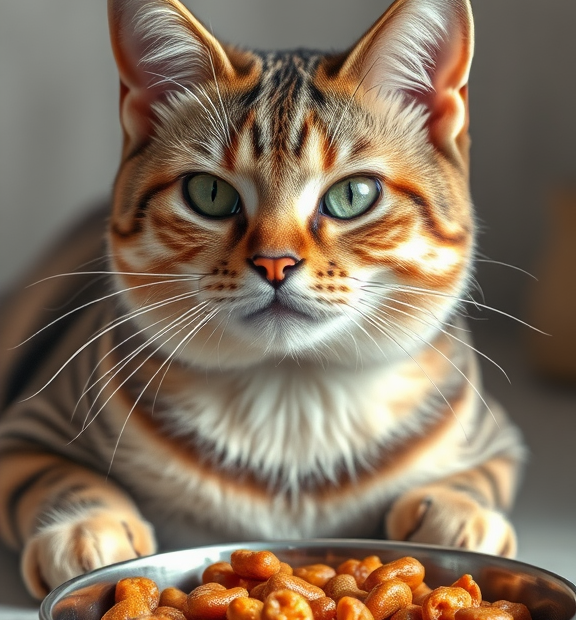
Understanding the Benefits and Ingredients of Renal Cat Food
Caring for a cat with kidney issues requires special attention, particularly to their diet. Renal cat food plays a vital role in supporting cats suffering from chronic kidney disease (CKD) or other renal conditions. This type of specialized cat food is formulated to help improve kidney function, reduce symptoms, and maintain overall health by addressing the unique nutritional needs of cats with compromised kidneys.
How Renal Cat Food Supports Kidney Health
Kidneys filter waste and toxins from the bloodstream, regulate fluids, and balance essential minerals. When kidneys weaken, these functions become impaired, and toxins can build up, leading to discomfort and more severe health problems. Renal cat food helps by:
- Reducing protein load: Lower protein levels minimize the production of waste that kidneys must filter, easing their workload without depriving the cat of essential amino acids.
- Managing phosphorus levels: Excess phosphorus can accelerate kidney damage. Specialized diets keep phosphorus in check to protect kidney function.
- Controlling sodium intake: Lower sodium helps prevent high blood pressure, a common complication in kidney disease.
- Providing antioxidants: Ingredients rich in antioxidants can help reduce oxidative stress, potentially slowing disease progression.
- Supporting hydration: Many renal diets come in wet form or encourage water intake to help maintain hydration, which is crucial for kidney health.
Key Ingredients Found in Renal Cat Food
The ingredients in renal cat food are carefully selected to balance nutrition and ease kidney burden. Understanding these ingredients helps cat owners make informed choices. Here’s what to look for:
High-Quality, Moderate Protein Sources
Renal cat foods provide moderate amounts of high-quality protein, such as chicken, turkey, egg, or fish proteins. These sources supply essential amino acids without overwhelming the kidneys with waste products. Unlike typical cat food that might be protein-heavy, renal-specific formulas maintain controlled protein levels tailored for cats with kidney issues.
Optimized Mineral Content
Phosphorus and sodium content is carefully limited. Ingredients are chosen to keep these minerals at safe levels, helping reduce kidney strain and manage blood pressure. Look for cat food labeled to have low phosphorus and low sodium to ensure proper mineral balance.
Added Omega-3 Fatty Acids
Fish oils, rich in omega-3 fatty acids like EPA and DHA, are often included in renal formulas. These healthy fats reduce inflammation and may protect kidney tissues from damage, promoting better function in cats with CKD.
Antioxidants and Vitamins
Ingredients containing antioxidants such as vitamin E and vitamin C can help neutralize free radicals. Additionally, many renal cat foods include B vitamins to support energy metabolism, which is crucial for maintaining vitality in sick cats.
Moisture-Rich Formulas
Wet renal cat food options provide increased moisture, aiding hydration without the cat needing to drink excessive amounts of water – a big plus for cats who drink little. Hydration supports kidney filtration and overall wellbeing.
Benefits Beyond Kidney Function
Feeding your cat specialized renal food offers more than just kidney support. Many owners notice improvements in their pet’s appetite and energy levels once on these diets. Since kidney disease often leads to nausea or loss of appetite, palatable renal cat food encourages eating, helping maintain a healthy weight and nutrient intake.
Moreover, by slowing the progression of kidney damage, renal cat food can extend quality of life and reduce the frequency of veterinary visits. This type of diet helps manage symptoms like excessive thirst, vomiting, and lethargy, making your furry friend more comfortable.
Choosing the Right Renal Cat Food
Not all renal cat foods are created equal. When selecting a product, consider the following factors:
- Prescription vs. Non-prescription: Prescription renal diets are often recommended by veterinarians and have been clinically tested. Over-the-counter options may offer support, but consulting your vet is important before switching diets.
- Ingredient transparency: Look for brands that clearly list ingredient sources and nutrient analysis to ensure quality and safety.
- Palatability: Cats with renal disease can be picky eaters. Finding a flavor and texture they enjoy increases the likelihood they will eat enough to benefit from the diet.
- Wet vs. dry: Wet renal cat food improves hydration, but some cats prefer dry kibble. Sometimes combining both forms works best.
Supporting Your Cat’s Kidney Health with Diet
Renal cat food is a key part of managing kidney disease but is most effective when combined with regular veterinary care and proper hydration. Feeding your cat renal formulas tailored to their condition helps protect residual kidney function and boosts their comfort.
By understanding the ingredients and benefits of renal cat food, you can make confident choices that positively impact your cat’s health. Always work with your vet to monitor kidney status and adjust the diet as needed to ensure the best support throughout their condition.
How to Transition Your Cat to a Renal Diet Safely and Effectively
When your cat is diagnosed with kidney issues, changing their diet is crucial to support their health and slow the progression of renal disease. Transitioning your cat to a renal cat food requires patience and care to make the process smooth and stress-free for both you and your feline friend. Abrupt changes can cause stomach upset or refusal to eat, so gradual adjustments are the best approach.
Understanding the Importance of Renal Cat Food
Renal cat food is specially formulated to meet the nutritional needs of cats with kidney disease. These diets typically contain controlled protein levels that reduce the kidneys’ workload, lower phosphorus to prevent further damage, and include essential fatty acids and antioxidants to support overall kidney function. Because most standard cat foods are too high in protein and phosphorus for cats with renal issues, proper renal diets play a vital role in managing their condition.
Signs Your Cat May Need a Renal Diet
Before switching your cat’s diet, watch for specific symptoms such as:
- Increased thirst and urination
- Decreased appetite or weight loss
- Vomiting or diarrhea
- Lethargy or weakness
These symptoms often signal kidney problems or chronic kidney disease. Once diagnosed, your veterinarian will recommend a renal diet tailored to your cat’s needs. At this stage, a careful diet change is essential for health management.
Strategies for a Smooth Food Transition
Most cats are creatures of habit and can be sensitive to changes in their food. To help your cat accept renal cat food, follow these steps:
1. Introduce the New Food Gradually
Start by mixing a small amount (about 10%) of the renal diet into your cat’s current food. Over the next 7 to 10 days, slowly increase the proportion of renal food while decreasing the old food. This gradual replacement reduces the risk of digestive upset and gives your cat time to adjust to new flavors.
2. Offer Warmed Food
Warming the food slightly can enhance its aroma, making it more appealing and encouraging your cat to eat. Avoid overheating; lukewarm is enough to bring out smells without spoiling the nutrition.
3. Maintain Consistent Feeding Times
Cats thrive on routine. Feeding at the same times each day helps build familiarity with the new diet and reassures your cat during the transition. Consistency supports appetite and digestion.
4. Monitor for Adverse Reactions
Pay close attention to your cat’s response. Look for any signs of vomiting, diarrhea, or refusal to eat. If side effects appear, slow down the transition or consult your veterinarian. Some cats may need an even more gradual introduction over two to three weeks.
Helpful Tips to Encourage Eating Renal Cat Food
- Add Small Toppers: Gently mix a small amount of a safe, tasty topper like low-sodium chicken broth to enhance flavor without compromising the diet.
- Use Separate Bowls: Offer your cat’s old and new food in separate bowls during the initial phase to see which they prefer, then gradually reduce the old food.
- Keep Fresh Water Available: Kidney health depends heavily on hydration, so always provide plenty of fresh, clean water near your cat’s feeding area.
Sometimes, even with patience, a cat may reject the renal diet due to texture or flavor preferences. If this happens, ask your vet about alternative renal formulas or prescription options that might be more palatable.
Long-Term Benefits of Successful Diet Transition
Successfully switching your cat to a renal diet positively impacts their quality of life. Proper nutrition helps reduce kidney workload, minimizes toxin buildup, and supports healthy muscle mass and hydration. Over time, this careful diet management can slow down the progression of kidney disease and extend your cat’s lifespan.
Remember that changing your cat’s diet is not just about food—it’s about helping your beloved pet live comfortably and healthily through renal challenges. By taking a thoughtful, gradual approach, you can make this dietary shift easier on your cat and ensure they get the best support possible.
Conclusion
Choosing the right renal cat food can make a significant difference in managing your cat’s kidney health. By focusing on specially formulated ingredients, such as controlled protein levels, reduced phosphorus, and added antioxidants, these diets support kidney function while still providing essential nutrients your feline friend needs. Understanding these benefits helps you make informed decisions, ensuring your cat receives the best possible care tailored to their condition.
Transitioning your cat to a renal diet requires patience and care. Introducing new food gradually over 7 to 10 days allows your pet to adjust without causing unnecessary stress or digestive upset. Mixing increasing portions of renal cat food with their current diet helps ease the change, making the process smoother for both you and your cat. It’s also important to monitor their appetite and hydration during this time and consult your veterinarian regularly to assess progress and adjust feeding plans as needed.
By combining knowledge about renal cat food ingredients with a thoughtful approach to dietary changes, you can provide your cat the support they need to manage kidney disease effectively. This ongoing commitment not only improves their overall quality of life but also strengthens the special bond you share with your pet. With the right diet and careful transition, you help give your cat a better chance for comfort and vitality in the face of renal challenges.