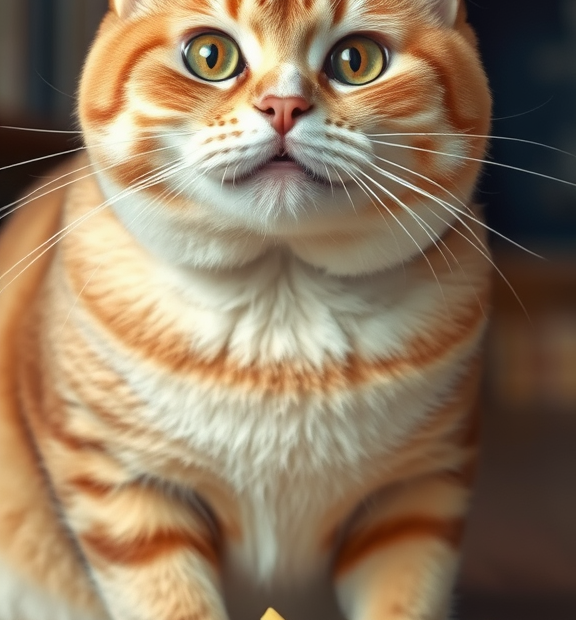
Understanding Why Round-Faced, Round-Bellied Cats Might Suddenly Stop Eating
If you have a cute, round-faced, round-bellied cat who suddenly stops eating, it can be worrying. Cats with plump appearances often seem healthy, so when they refuse food, it’s a sign that something might be wrong. Unlike dogs, cats don’t usually show obvious signs of illness early on, and a sudden loss of appetite is often one of the first clues that your pet needs help.
Understanding why a normally hungry and well-rounded cat stops eating requires a look into several possible reasons. Cats can be picky eaters, but a clear lack of interest in food, especially in one that looks healthy and plump, might point to underlying health problems, stress, or even changes in the environment that disrupt their routine.
Health Issues That Could Cause Appetite Loss in Cats
Even if your round-faced, round-bellied cat looks fine on the outside, internal health issues could secretly affect appetite. Here are a few medical reasons your cat might suddenly refuse food:
- Dental problems: Cats with mouth pain, such as dental decay or gum disease, may find it uncomfortable to eat.
- Gastrointestinal upset: Stomach viruses, constipation, or inflammatory bowel diseases can cause nausea, reducing a cat’s desire to eat.
- Kidney or liver disease: These conditions can affect metabolism and reduce hunger due to toxin buildup or imbalance in the body.
- Respiratory infections: Upper respiratory infections can make cats lose their sense of smell, which is closely related to taste.
- Pain or injury: If your cat is hurting somewhere, they might not feel like eating at all.
Behavioral and Environmental Reasons Affecting Cat Appetites
Aside from health problems, changes in a cat’s surroundings or routine can trigger loss of appetite. Cats are creatures of habit, and disruptions can significantly impact their eating behavior.
- Stress and anxiety: Moving to a new home, the arrival of another pet, loud noises, or even changes in your schedule may stress your cat out.
- Food preferences or changes: Cats can be sensitive to the type, texture, or brand of food. If you recently switched foods, they might reject it initially.
- Litter box issues: Sometimes, discomfort from an unclean litter box or urinary tract infections can reduce appetite.
- Feeding location: A noisy area or crowded spot can discourage your cat from eating properly.
What to Do When Your Cat Stops Eating Suddenly
When your round-faced, round-bellied cat refuses food, act quickly because cats can get seriously ill from not eating for even a short time. Here are steps to take to help your beloved pet:
- Monitor closely: Keep an eye on how long they refuse food. If it lasts more than 24 hours, get veterinary advice immediately.
- Check the food: Offer their favorite foods or try warming the food slightly to make it more aromatic and appealing.
- Ensure comfort: Create a quiet, calm feeding area without disturbances.
- Hydration is vital: Encourage drinking water, and consider offering wet food to add moisture to their diet.
When to See a Vet
It’s crucial to recognize when professional care is needed. If your cat shows any of these signs along with not eating, consult your vet right away:
- Vomiting or diarrhea
- Sudden weight loss despite a big belly shape
- Lethargy or unusual behavior
- Difficulty breathing or coughing
- Excessive drooling or mouth rubbing
- Changes in urination or defecation
Preventing Future Eating Problems
Once your cat resumes eating, keeping them healthy and happy helps avoid future appetite problems:
- Provide a consistent feeding schedule
- Offer a balanced diet suited to their age and health needs
- Regular veterinary check-ups to catch health issues early
- Maintain a clean and calm environment
- Monitor changes in their behavior promptly
A round-faced, round-bellied cat’s sudden refusal to eat isn’t a puzzle you want to leave unsolved. By observing their behavior carefully and taking swift action, you can often prevent serious illness. Remember, cats rely on you to notice the small changes and act in their best interest. If your feline friend stops eating, don’t wait—seek advice and help immediately to keep your furry companion thriving.
Effective Strategies to Encourage Your Cat to Eat and Maintain a Healthy Appetite
Understanding Why Your Cat Isn’t Eating
It’s normal for cats to experience brief changes in appetite from time to time, but when a cat that’s round-faced and round-bellied suddenly stops eating, it’s a cause for concern. This behavior might puzzle many cat owners, especially when the cat appears healthy and otherwise active. A loss of appetite in cats can stem from various reasons ranging from stress and environmental changes to underlying medical issues. Recognizing the root cause is the first step to fixing your cat’s eating problem and ensuring they maintain a healthy appetite.
Creating a Comfortable Feeding Environment
Cats are sensitive creatures and their environment plays a significant role in their willingness to eat. Ensuring your cat’s feeding space is quiet, clean, and away from high-traffic areas in your home can make mealtime more appealing. Some cats prefer their food bowls in elevated locations or away from their litter box, so experiment with different settings to find where your cat feels most comfortable.
Additionally, using shallow and wide bowls helps prevent whisker fatigue, a discomfort caused by whiskers touching the sides of deep dishes. This simple change can make a big difference in encouraging your round-faced feline to eat happily.
Offering Varied and Appealing Foods
Sometimes, cats turn their noses up at food simply because they want something different or more appealing. You can try rotating their diet between several flavors or textures of wet and dry foods. Wet food often smells and tastes stronger, which can entice cats that are reluctant to eat. Warm the food slightly to enhance its aroma — just make sure it’s not too hot to avoid burns.
Adding a tasty topper, such as a small amount of tuna juice, chicken broth (without onions or garlic), or a sprinkle of freeze-dried meat treats, can also stimulate appetite. However, always consult your veterinarian if you’re unsure about what additions are safe for your cat’s diet.
Encouraging Eating Through Routine and Interaction
Cats thrive on routine. Feeding your cat at consistent times each day helps establish an expectation for meals and can encourage regular eating habits. If your cat sees mealtime as predictable, they’re less likely to resist their food.
Engage your cat with gentle play before meals to boost their hunger naturally. Playing with toys that mimic prey behavior stimulates their hunting instincts, making them more likely to eat afterward. Ensuring your cat is active also supports a healthy metabolism, further promoting a good appetite.
Recognizing Medical Causes and When to Seek Help
When a cat stops eating despite your best efforts, it could point to medical issues such as dental problems, infections, kidney disease, or gastrointestinal issues. Early intervention is crucial because prolonged anorexia in cats can lead to serious complications like hepatic lipidosis, a liver condition caused by starvation.
If you notice other symptoms like lethargy, vomiting, diarrhea, weight loss, or changes in behavior alongside poor appetite, consult your veterinarian without delay. They can conduct exams and tests to diagnose and treat any underlying health problems, helping restore your cat’s appetite and overall well-being.
Using Appetite Stimulants and Supplements When Necessary
In some cases, your vet might recommend appetite stimulants or supplements to help your cat regain interest in food. These could include specifically formulated medications, vitamins, or natural remedies designed to promote hunger safely. Only use these under professional guidance, as misuse could harm your pet.
Tips to Maintain a Healthy Appetite in Round-Faced, Round-Bellied Cats
- Ensure dental hygiene: Regularly check for dental issues like gum disease or tooth pain, which can discourage eating.
- Hydration is key: Provide fresh water at all times and consider incorporating wet food to increase fluid intake.
- Avoid sudden diet changes: Transition foods gradually to prevent digestional upset or rejection.
- Limit stress triggers: Create a stable and calm home environment.
- Monitor portion sizes: Overfeeding dry food can lead to a ‘round-bellied’ look but doesn’t necessarily mean your cat’s nutritional needs are met.
By implementing these strategies, you’re supporting your cat’s nutritional health and helping maintain a happy, healthy appetite. Don’t let the adorable round face and belly mask a silent eating issue—take proactive steps today to fix your cat’s eating problem and enjoy many more joyful moments with your feline friend.
Conclusion
When you notice your round-faced, round-bellied cat suddenly refusing to eat, it’s natural to feel concerned. Understanding the reasons behind this change is the first step toward helping your feline friend. Loss of appetite can stem from various causes, including illness, dental problems, stress, or changes in their environment. Recognizing these signs early allows you to take prompt action before the problem worsens.
Encouraging your cat to eat again is possible with a few practical strategies. Offering warm, aromatic food can lure their senses and make mealtime more appealing. Switching to softer or more palatable options can also help, especially if dental issues are at play. Creating a quiet, comfortable feeding area minimizes stress and distractions, supporting a positive eating environment. Additionally, maintaining a consistent feeding schedule fosters routine, which cats often thrive on.
If your cat’s appetite doesn’t improve, consulting a veterinarian is essential to rule out underlying health issues. By staying attentive and proactive, you ensure your round-faced, round-bellied companion enjoys a healthy diet and continues to thrive. Remember, a happy cat is usually a well-fed cat, and with the right care, you can fix your cat’s eating problem today.