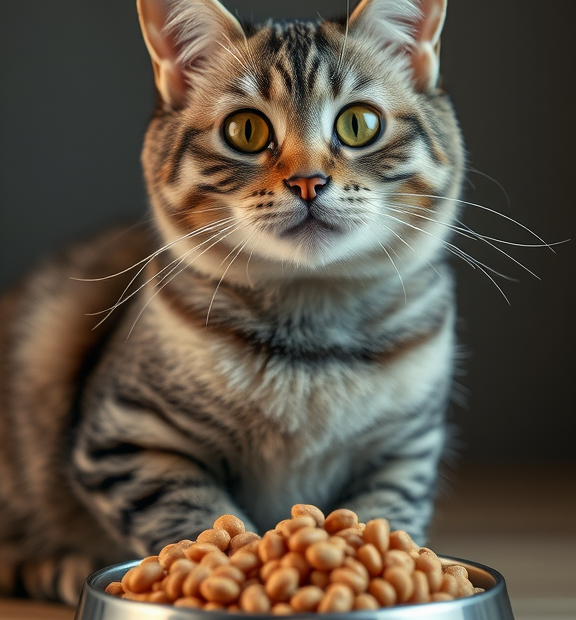
The Benefits of Semi Soft Cat Food for Fussy Eaters
Finding the right food for your cat can be a challenge, especially if you have a fussy eater. Semi soft cat food presents an excellent solution for pet owners who are grappling with this issue. This type of cat food merges the benefits of wet and dry food, creating a palatable and nutritious option that many finicky felines enjoy. Let’s explore the advantages of semi soft cat food, particularly for those cats that have discerning tastes.
Nutritional Benefits
Semi soft cat food often contains essential nutrients that support your cat’s overall health. Many brands offer a balanced mix of protein, fats, and carbohydrates, ensuring that your pet receives a well-rounded diet. Here are some nutritional aspects to consider:
- High Protein Content: Semi soft cat food typically includes real meat ingredients, providing high-quality protein that cats need for muscle development and energy.
- Vitamins and Minerals: These foods often come fortified with vitamins and minerals, supporting key functions like vision, immunity, and skin health.
- Hydration: With a moisture content that is higher than dry kibble, semi soft food helps keep your cat hydrated, which is vital for their urinary tract health.
Texture and Flavor
The texture of semi soft cat food is a significant factor that appeals to fussy eaters. Many cats are drawn to the taste and feel of this type of food. The pliable texture can resemble a soft, meaty treat that is inviting for your pet. Here are some points highlighting why texture matters:
- Easy to Chew: Fussy cats may struggle with hard kibble. Semi soft cat food requires less chewing effort, making it easier for them to eat.
- Taste Variability: Many semi soft cat foods come in various flavors, allowing you to switch things up and find what your cat loves best. Whether it’s chicken, beef, or fish, there’s likely something your feline will fancy.
Convenience
For busy pet owners, semi soft cat food provides a practical feeding option. It’s easy to serve and store, making it a hassle-free choice for daily use.
- Portion Control: Most semi soft cat foods come in pre-packaged servings, making it simple to provide the right amount of food every time.
- No Mess: Unlike wet food, which can be messy, semi soft options are less likely to stick to the bowl, making cleanup a breeze.
Transitioning to Semi Soft Cat Food
Switching your cat’s food can be challenging, especially for picky eaters. It’s essential to transition gradually to avoid digestive upset. Here’s how to make the process smoother:
- Mix with Current Food: Start by mixing a small amount of semi soft food with your cat’s regular food. Gradually increase the amount of the new food while decreasing the current one.
- Monitor Their Response: Keep an eye on your cat’s reaction. If they seem to enjoy it, continue the transition until they are fully switched over.
- Consistency is Key: Feeding your cat at the same time each day can create a routine that makes them more receptive to trying new foods.
Cost-Effective Option
Many pet owners find that semi soft cat food can be an economical choice. While it may seem pricier than dry kibble initially, the reduced waste and improved health benefits can lead to fewer vet visits and less food thrown away. Here’s why it’s a smart financial choice:
- Less Waste: Fussy eaters often leave food uneaten. Since semi soft cat food tends to be more appealing, there’s less chance of waste.
- Improved Health: A healthy diet can lead to fewer health issues, saving you money in the long run on veterinarian bills.
Semi soft cat food can play an important role in satisfying even the pickiest of eaters. With its appealing texture, nutritional value, and convenience, it offers a lot of benefits for both your cat and you as a pet owner. If you’re struggling to find the right food for your discerning feline friend, consider giving semi soft cat food a try!
How to Transition Your Cat to Semi Soft Cat Food Effectively
Transitioning your cat to a new type of food can be a daunting task, especially with semi soft cat food. This specialized diet can offer many benefits, including improved digestibility and palatability. Understanding how to make this shift smoothly is crucial for your feline friend’s well-being. Here are effective strategies to help you transition your cat to semi soft cat food without causing unnecessary stress.
First, it’s essential to understand what semi-soft cat food is. This type of cat food has a soft texture, making it easier for cats to chew and digest. It’s a middle ground between dry kibble and wet food, offering hydration and nutrition without the messiness of traditional wet food. Cats might enjoy this consistency more, especially if they are fussy eaters.
The transition process should not be rushed. An abrupt switch can lead to digestive upset, which you want to avoid at all costs. Gradual changes foster better acceptance and minimize stress in your cat. Start the transition process slowly, over the course of about 7 to 10 days.
Here’s a simple step-by-step guide to help you through the transition:
- Day 1-3: Begin mixing a small portion of semi-soft cat food with your cat’s current food. A good starting ratio is 25% semi-soft food and 75% of their usual diet. Observe how your cat responds to this mix.
- Day 4-5: If your cat accepts this mixture well, gradually increase the semi-soft food to a 50/50 ratio. Continue to monitor for any signs of digestive issues, such as vomiting or diarrhea. If such symptoms arise, slow down the transition.
- Day 6-7: Progress to a 75% semi-soft food and 25% regular food mix. Ensure that your cat is comfortable with the new food. Cats are creatures of habit, so patience is key.
- Day 8-10: if everything goes smoothly, you can switch entirely to semi-soft cat food. At this point, your cat should be adjusting well to the new diet.
During this transition, it’s helpful to pay attention to your cat’s reactions. Some cats are more sensitive than others. Look for signs like:
- Hesitation to eat the new food
- Changes in stool consistency
- Increased water intake or decreased appetite
If your cat shows reluctance, try warming the semi-soft food slightly. This can enhance its aroma, making it more appealing. You can also try offering it in smaller amounts throughout the day if your cat is hesitant to eat larger servings.
Maintaining a consistent feeding schedule is also vital. Offering meals at the same times each day helps your cat adapt better to the new food. Consider using a food puzzle or interactive feeding device. This can make mealtime a fun challenge and entice your cat to engage more with their food.
Be sure to check out the nutritional information on the semi-soft cat food packaging. Cats have specific dietary needs, and it’s crucial to select a food that meets their requirements. Look for high-quality protein sources and essential nutrients such as taurine, vitamins, and minerals. Check for inappropriate fillers that can upset their stomach.
Consult your veterinarian if your cat has pre-existing medical conditions or dietary restrictions. They can offer personalized advice on the best semi-soft food options for your cat’s specific health requirements.
After you’ve completed the transition, regular vet check-ups become even more important. Monitoring your cat’s weight and overall health will help ensure that the new diet is serving its intended purpose. Look for signs of healthy fur, consistent energy levels, and active behavior.
Transitioning your cat to semi-soft cat food can be a rewarding experience for both you and your feline companion. Remember that each cat is unique, and some may take longer to adjust than others. Patience, observation, and a little creativity can go a long way in making this change as smooth as possible.
By following these steps and being mindful of your cat’s reactions, you can help ensure a successful transition to semi-soft cat food, improving your furry friend’s overall quality of life.
Conclusion
When considering the best diet for your feline friend, semi soft cat food emerges as an excellent choice, particularly for picky eaters. This type of cat food combines the palatability of wet food with the convenience of dry kibble, making mealtime enjoyable and satisfying for your furry companion. Cats who may have previously turned up their noses at traditional options often find the soft texture and enticing flavors of semi soft food irresistible. This can be particularly important for cats that may suffer from dental issues or those that simply prefer a softer bite.
Transitioning your cat to semi soft cat food doesn’t have to be a challenging task. By gradually introducing the new food alongside their current diet, you can help ease them into the change. Mixing small amounts of the semi soft variety with their usual food allows their taste buds to adjust. Always monitor how your cat responds, adjusting the ratio as necessary while ensuring they remain healthy and active during the process.
Semi soft cat food provides a perfect blend of taste and nutrition, making it a strong contender for your cat’s daily meals. With this strategy at your disposal, you can enhance your cat’s dining experience and improve their overall health. By understanding the benefits and utilizing effective transition techniques, you’re well on your way to ensuring your picky eater enjoys mealtime as much as possible. Remember, a happy cat leads to a happy owner, so don’t hesitate to explore and invest in semi soft options that suit your feline’s unique preferences.