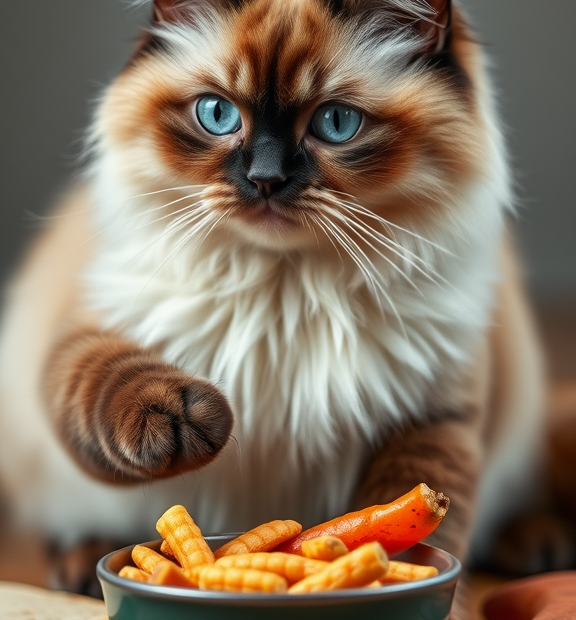
Simple Solutions for Ragdoll Cats’ Eating Issues: Identifying Causes and Effective Remedies
Recognizing Common Eating Challenges in Ragdoll Cats
Ragdoll cats are known for their gentle nature and striking blue eyes, but like many felines, they can develop eating issues that worry their owners. Understanding what might cause a Ragdoll to refuse food or eat inconsistently is the first step in helping your pet enjoy better nutrition and health. Eating problems can range from picky behavior to medical concerns, and addressing them early ensures your cat stays happy and well-nourished.
Why Your Ragdoll May Not Be Eating Well
Several factors might lead to eating issues in Ragdoll cats. Here are some of the common causes:
- Stress or Anxiety: Changes in the home environment, such as new pets, loud noises, or rearranged furniture, can upset your Ragdoll, leading to a loss of appetite.
- Dental Problems: Painful teeth or gums can make chewing uncomfortable, causing your cat to avoid eating dry or tough foods.
- Food Preferences: Ragdolls can be selective eaters. They might not like certain textures, flavors, or brands of food, especially if they’ve been fed the same diet for too long.
- Health Issues: Underlying illnesses like gastrointestinal problems, parasites, or infections often affect appetite.
- Improper Feeding Routine: Irregular mealtimes or free-feeding without structure can sometimes confuse or discourage your cat from eating properly.
Simple Steps to Encourage Eating Habits
Helping your Ragdoll overcome eating challenges doesn’t have to be complicated. By implementing straightforward strategies, you can encourage better nutrition and a healthier lifestyle for your feline friend.
1. Ensure a Calm and Comfortable Dining Area
Create a quiet, cozy spot for meals away from loud noises or other pets. Ragdolls thrive in peaceful settings where they feel safe. This will reduce stress-related refusal to eat.
2. Offer Variety and Fresh Food
Try different textures and flavors to identify preferences. Mixing wet food with dry kibble or warming canned food slightly can make meals more appealing. Always provide fresh food and clean water daily to keep your cat interested.
3. Maintain a Consistent Feeding Schedule
Ragdolls respond well to routine. Feed them at the same times every day to build healthy habits and reduce confusion about when mealtime occurs.
4. Monitor Dental Health
Regularly check your cat’s mouth for signs of discomfort, such as drooling, bad breath, or reluctance to chew. Schedule annual dental exams with your veterinarian and provide dental treats or toys to promote oral hygiene.
Addressing Medical Factors for Eating Issues
If your Ragdoll consistently refuses food or shows other symptoms like weight loss, vomiting, or lethargy, consult a veterinarian immediately. Medical conditions such as infections, gastrointestinal problems, or pain can significantly impact appetite and nutrition.
A vet may recommend tests, prescribe medication, or suggest specialized diets tailored to your cat’s needs. Identifying and treating underlying health problems often resolves eating difficulties promptly.
Improving Nutrition Through Balanced Diet Choices
Good nutrition supports overall health and wellbeing in Ragdolls. Here are ways to ensure your cat receives the right balance of nutrients:
- Choose High-Quality Food: Pick cat food with real meat as the first ingredient, and avoid fillers like corn or soy.
- Incorporate Wet Food: Wet food helps maintain hydration and is often more palatable for cats who reject dry kibble.
- Consider Supplements: Omega-3 fatty acids and taurine are essential for feline health. Always consult your vet before adding supplements.
- Limit Treats: Too many treats can interfere with balanced nutrition and reduce appetite for regular meals.
Engaging Your Ragdoll in Mealtime
Sometimes, engaging your cat during feeding time can improve eating habits. Try interactive feeders or puzzle toys that stimulate both their minds and appetites. This playful approach helps reduce boredom and increases excitement about food.
Also, spending quiet moments petting and speaking softly near their eating area can comfort your Ragdoll and encourage better food intake.
Final Tips for Long-Term Success
Pay attention to your cat’s cues and preferences. Change food gradually to avoid upsetting their digestive system, and always provide plenty of fresh water. Keep their feeding area clean and observe their eating behavior regularly.
By staying proactive and patient, you’ll find solutions that work for your Ragdoll cat’s unique eating needs and support better nutrition. A well-fed Ragdoll is a happy, thriving companion for years to come.
Enhancing Ragdoll Cats’ Nutrition: Best Diet Practices for Optimal Health and Well-Being
Understanding the Unique Dietary Needs of Ragdoll Cats
Ragdoll cats are known for their gentle temperament and striking appearance, but their nutrition needs are just as distinctive. To help your Ragdoll thrive, it’s important to focus on providing a balanced diet that supports their overall health and well-being. Unlike some other breeds, Ragdolls tend to have a slower metabolism and a predisposition toward weight gain, which affects how you should approach their feeding routine.
A diet that ensures optimal nutrition while managing calorie intake is key. Including high-quality protein and healthy fats promotes muscle maintenance without excess bulk. Meanwhile, essential vitamins and minerals support their immune system and coat health. Knowing what to feed and how much can prevent common health issues like obesity, digestive troubles, and dental problems.
Choosing the Right Food for Better Nutrition
When selecting food for your Ragdoll, aim for premium brands that list meat or fish as the first ingredient. Cats are obligate carnivores, which means protein must be at the forefront of their diet. A combination of wet and dry food can be ideal, as wet food helps keep them hydrated and is easier to digest, while dry food assists with dental care and is convenient.
Look for formulas enriched with omega-3 and omega-6 fatty acids to promote a glossy coat and healthy skin. Taurine, an essential amino acid, is critical for heart and eye health in cats, so ensure the food contains adequate levels. Avoid products with excessive fillers like corn, wheat, or soy, which can lead to weight gain and allergies.
Creating a Feeding Schedule Tailored to Ragdolls
Ragdoll cats do best with a consistent feeding routine that avoids free-feeding or leaving food out all day. Controlled meal times help you monitor their intake and prevent overeating. Most adult Ragdolls do well with two meals a day, but kittens and seniors might require more frequent, smaller portions.
Use measuring cups or a kitchen scale to serve precise amounts. Pay attention to your cat’s behavior; if they seem hungry, consult your vet before increasing portions, as sudden hunger changes may signal health issues. Maintaining regular feeding times also reduces anxiety and supports healthy digestion.
Addressing Eating Issues with Simple Solutions
Sometimes Ragdoll cats face eating challenges like picky appetite, slow eating, or digestive sensitivities. You can try a few straightforward strategies to improve their mealtime experience:
- Warm the Food Slightly: Heating canned food enhances aroma and can stimulate appetite.
- Switch Protein Sources: If your cat is bored or sensitive, try different meats like chicken, turkey, or fish.
- Limit Treats: Overfeeding treats reduces hunger for meals; limit them to ensure balanced nutrition.
- Use Slow Feeders: For cats that eat too quickly, slow feeders prevent choking and improve digestion.
- Check for Dental Issues: Painful teeth or gums can reduce appetite; regular vet checks help prevent this.
Supporting Hydration for Overall Well-Being
Water intake plays a vital role in your Ragdoll’s nutrition and health. Cats often don’t drink enough water on their own, which can lead to urinary tract problems and kidney disease. Incorporate wet food into their diet to increase moisture intake naturally.
Place multiple water bowls around your home to encourage drinking, and consider using pet water fountains, which many cats find more appealing. Fresh, clean water should always be available to keep your Ragdoll well-hydrated and functioning at their best.
Supplements: When and How to Use Them
While a balanced diet will cover most nutritional bases, some Ragdolls may benefit from supplements. Fish oil supplements can enhance coat condition and reduce inflammation. Probiotics help maintain gut health, especially if your cat experiences digestive issues.
Always consult your veterinarian before adding supplements to your pet’s diet. Unnecessary or incorrect supplementation can cause harm, so professional advice ensures you provide the best care tailored to your Ragdoll’s specific needs.
Monitoring Weight and Health Regularly
Maintaining an ideal weight in your Ragdoll cat is crucial to prevent health complications such as diabetes and joint problems. Regularly weighing your cat and watching for changes in body condition helps you adjust their diet promptly.
If you notice weight gain or loss, lethargy, or vomiting, schedule a vet visit to rule out underlying issues. Keeping track of your Ragdoll’s eating habits and nutritional intake empowers you to make informed decisions that enhance their quality of life.
By dedicating attention to your Ragdoll’s diet through thoughtful food choice, structured feeding routines, and addressing any eating issues quickly, you can support their health and happiness for years to come.
Conclusion
Addressing eating issues in your Ragdoll cat doesn’t have to be complicated. By carefully observing their behavior, you can identify common causes like stress, dental problems, or food preferences. Simple changes such as adjusting feeding schedules, trying different food textures, or creating a calm mealtime environment often make a big difference. Remember, patience and consistency are key when working through these challenges.
When it comes to boosting your Ragdoll’s nutrition, focusing on balanced, high-quality diets is essential. Feeding options rich in protein, moderate fats, and essential vitamins support their unique health needs and help maintain their beautiful coat and muscular build. Fresh water should always be available, and portion control will prevent obesity, which can complicate eating habits and overall wellness.
By combining practical solutions for eating issues with mindful nutrition choices, you can help your Ragdoll thrive. Paying attention to their unique preferences and health signals creates a happier cat and strengthens the bond you share. With these straightforward strategies, you’re well-equipped to support your feline friend’s eating habits and promote long-lasting health.