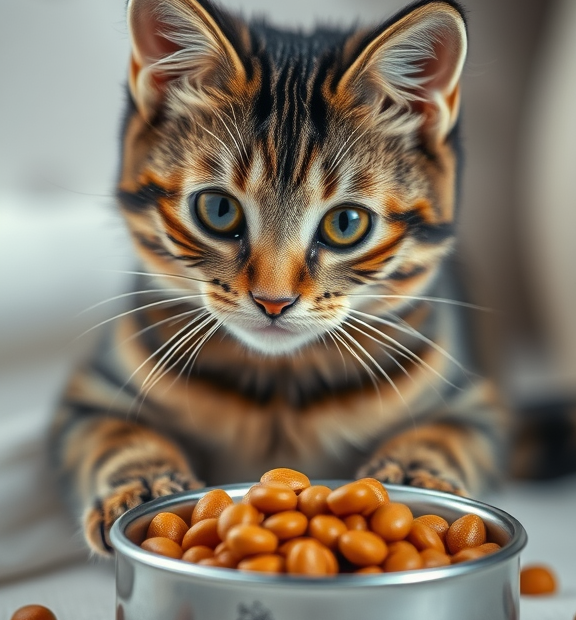
Choosing the Right Small Cat Food for Your Feline’s Health and Happiness
Finding the Best Nutrition for Small Cats
Choosing the right food for your small cat plays a big role in keeping them healthy and happy. Small cats, especially kittens or breeds that stay smaller in size, have unique nutritional needs. Their bodies are delicate and require food that supports their growth, energy, and overall well-being. When looking for the perfect small cat food, it’s important to think beyond just price or brand name. You want to pick something that fits your feline’s specific needs perfectly.
Cats are obligate carnivores, which means they rely heavily on animal proteins to thrive. This is true for cats of all sizes but especially for smaller cats, who may have faster metabolisms or specific health challenges. Food designed for small cats often includes the right balance of proteins, fats, and essential vitamins that support their active lifestyles and growth.
Key Nutritional Elements in Small Cat Food
Not all cat food is created equal. When selecting small cat food, pay close attention to these nutritional components:
- High-Quality Protein: Protein should come from meat sources like chicken, turkey, salmon, or beef. This ensures your small cat receives amino acids that help maintain muscle and support development.
- Fat Content: Healthy fats provide energy and help absorb vitamins. Look for foods that include omega-3 and omega-6 fatty acids, which promote skin and coat health.
- Essential Nutrients: Taurine is vital for cats’ heart health and vision, so pick cat foods that include it. A range of vitamins (A, D, E, B-complex) and minerals like calcium and phosphorus also contribute to bone strength and immune function.
- Low Fillers: Avoid cat foods with excessive fillers such as corn, wheat, or soy. These add little nutritional value and may cause allergies or digestive troubles in sensitive cats.
Understanding Portion Sizes and Feeding Frequency
Small cats often require smaller, more frequent meals compared to larger cats. Due to their size and sometimes faster metabolism, feeding them smaller portions throughout the day helps maintain consistent energy levels without overloading their digestive systems. When shopping for small cat food, look for kibble or wet food that is adapted in size and texture. Smaller pieces make eating easier and help prevent choking or difficulty chewing.
A good rule of thumb is to check the feeding guidelines on the pet food packaging but adjust based on your cat’s activity level, age, and weight. If your cat is very active or still growing, they may need larger or more frequent meals. On the other hand, less active or older cats might require less food or specialized formulas to maintain a healthy weight.
Wet vs. Dry Food: What’s Best for Small Cats?
Deciding between wet and dry food is often a concern for cat owners. Each has its own benefits:
- Dry Food: Convenient, affordable, and good for dental health because of its crunchy texture. However, dry food has less moisture, so you might need to encourage your cat to drink more water.
- Wet Food: Contains higher moisture content, which helps keep your cat hydrated. It also tends to be more palatable and easier to chew, especially for kittens or cats with dental issues.
Many owners find a mix of both works best—using wet food to boost hydration and dry food for convenience. When choosing small cat food in either form, focus on ingredient quality and nutrient balance rather than just moisture content.
Special Considerations for Small or Kitten Cats
Small cats or kittens may have additional dietary needs:
- Energy Requirements: More calories per pound of body weight than adult cats.
- Growth Support: Extra protein and DHA (a type of omega-3) to help brain development.
- Digestibility: Formulas that are gentle on sensitive stomachs or specific breeds prone to allergies.
- Size-Specific Kibble: Food with appropriately sized pieces designed for smaller mouths.
Always look for cat food labeled specifically for kittens or small breeds if your cat fits this category. Consult your veterinarian about any health issues or special dietary needs your small cat might have.
Tips to Transition to a New Small Cat Food
Switching your feline to a new food should be done gradually to prevent digestive upset. Try this approach:
- Mix 25% of the new small cat food with 75% of the old food for three days.
- Move to a 50/50 mix for the next three days.
- Increase to 75% new food and 25% old food afterward.
- offer 100% new small cat food, monitoring your cat’s response.
Watch for any changes in appetite, stools, or energy levels during the transition. If you notice any issues, slow the process or consult your vet.
Choosing Small Cat Food Brands That Prioritize Quality
When it comes to brands, transparency and ingredient quality matter. Reputable cat food brands use real meat, avoid artificial preservatives or fillers, and conduct regular quality testing. Look for certifications or endorsements by veterinary nutrition experts.
You can often find online reviews and recommendations from cat owners who have tried different small cat foods. Remember, what works best for one small cat may not be perfect for another—each feline is unique.
Investing time to select the right small cat food ensures your feline friend enjoys a balanced diet that supports their energy, health, and happiness. With the right nutrition, your small cat will thrive and bring joy to your home for many years.
Key Ingredients to Look for in Quality Small Cat Food Brands
Understanding the Nutritional Needs of Small Cats
When choosing small cat food, it’s crucial to focus on ingredients that support the unique dietary requirements of smaller felines. Small cats often have faster metabolisms and higher energy levels per pound compared to larger cats. This means their food needs to be nutrient-dense yet appropriately portioned to avoid overeating. Additionally, the texture and kibble size of the food should be designed to accommodate their smaller jaws and delicate teeth.
Protein as the Foundation
High-quality protein is the cornerstone of any healthy small cat food. Cats are obligate carnivores, which means their bodies rely heavily on animal proteins for essential amino acids like taurine, which small cats cannot produce naturally. Look for named animal protein sources such as chicken, turkey, fish, or beef listed at the top of the ingredient list. Avoid foods that rely heavily on unnamed meat by-products or excessive plant proteins like corn or soy.
Inclusion of Healthy Fats
Fats are a vital energy source and play a role in maintaining healthy skin and a shiny coat. Ingredients rich in omega-3 and omega-6 fatty acids, like fish oil or flaxseed, are especially beneficial. These fats aid in reducing inflammation and supporting brain and eye health, which is important for small cats at all life stages. Choose foods that balance these fats properly to promote overall wellbeing.
Essential Vitamins and Minerals
Small cat food brands should provide a complete balance of vitamins and minerals. Important micronutrients include vitamins A, E, and B-complex vitamins, which support immune function and energy metabolism. Minerals such as calcium and phosphorus help maintain strong bones and teeth, especially vital for small cats that need extra care in their growing and aging phases. Always check if the cat food meets or exceeds standards set by organizations like AAFCO, ensuring the formula is nutritionally complete.
Natural and Digestible Carbohydrates
While cats don’t require carbohydrates to thrive, small amounts can provide a useful energy source and help with proper digestion. Quality small cat food brands incorporate digestible carbohydrates like sweet potatoes, peas, or brown rice rather than fillers like corn or wheat. These sources add fiber that supports healthy digestion without causing unnecessary weight gain or digestive upset in smaller cats.
Moisture Content for Hydration
Many small cats don’t drink enough water throughout the day. Therefore, including moisture in their diet helps maintain kidney health and prevents urinary tract issues. Wet or canned small cat foods naturally contain higher moisture levels, which can be a great addition to dry kibble. If you prefer dry food, look for options formulated to encourage hydration or consider supplementing with water-rich wet food meals.
Avoid Harmful Additives and Fillers
Some cat foods contain artificial colors, flavors, and preservatives that may negatively affect your small cat’s health. Choose brands that avoid synthetic ingredients like BHA, BHT, or ethoxyquin. Instead, natural preservatives such as mixed tocopherols or ascorbic acid indicate a healthier, cleaner ingredient profile. Additionally, avoid foods with excessive fillers that offer little to no nutritional value, as they can contribute to digestive issues and unnecessary calorie intake.
Ingredients Promoting Dental Health
Small cats are prone to dental problems, so foods designed to support oral health can be advantageous. Some small cat food brands include ingredients like natural enzymes, or have kibble shapes that reduce tartar buildup. These help maintain clean teeth and reduce the risk of gingivitis or other oral diseases, which are common issues faced by smaller breeds or older small cats.
Probiotics and Prebiotics for Gut Health
Gut health is key to proper nutrient absorption and immune system function. Quality small cat food might contain probiotics or prebiotics, which help balance the gut flora. These beneficial bacteria support healthy digestion and reduce the chances of diarrhea or constipation, conditions that are often more pronounced in smaller cats due to their sensitive digestive systems.
Choosing Small Cat Food for Different Life Stages
Just like humans, cats have different nutritional needs at various ages. Kittens, adults, and senior small cats require specific nutrient profiles to keep them healthy. For example, kitten formulas often have higher protein and calorie content to support growth, while senior cat foods might include joint-supporting ingredients such as glucosamine and antioxidants. When choosing small cat food, ensure it’s suited to your cat’s life stage for optimal health benefits.
Reading Labels and Quality Certifications
To find the best small cat food, it’s important to scrutinize the packaging and ingredient lists carefully. Look for products that list high-quality animal proteins as primary ingredients, have no unnecessary fillers or artificial additives, and carry endorsements from reputable veterinary or animal nutrition organizations. Brands that invest in clinical research or provide transparency about ingredient sourcing often reflect higher-quality offerings.
By paying close attention to these factors, you’ll be able to select small cat food brands that support your feline friend’s health, happiness, and longevity effectively. Remember, a properly nourished small cat shows vibrant energy levels, a glossy coat, and a joyful disposition, making ingredient quality worth every consideration.
Conclusion
Selecting the perfect small cat food is essential for ensuring your feline companion leads a healthy, happy life. By focusing on the unique needs of small cats, you provide them with the nutrition they require without overwhelming their delicate systems. Remember, small cats often have faster metabolisms and finer appetites, so finding food tailored to their size and energy demands makes a big difference.
When exploring small cat food options, prioritizing quality ingredients is key. Look for brands that include real meat as the primary protein source, alongside balanced fats and essential vitamins. Avoid fillers and artificial additives that might harm your cat’s digestion or overall well-being. Ingredients like taurine, omega fatty acids, and antioxidants support heart health, shiny coats, and a strong immune system, all crucial for small cats.
By thoughtfully choosing small cat food that combines appropriate portion sizes with wholesome ingredients, you not only meet your pet’s dietary requirements but also enrich their daily life. Feeding your cat well can boost their energy, improve digestion, and enhance their mood, fostering a long-lasting bond between you and your furry friend. Taking the time to research and invest in quality small cat food reflects the love and care every cat deserves.