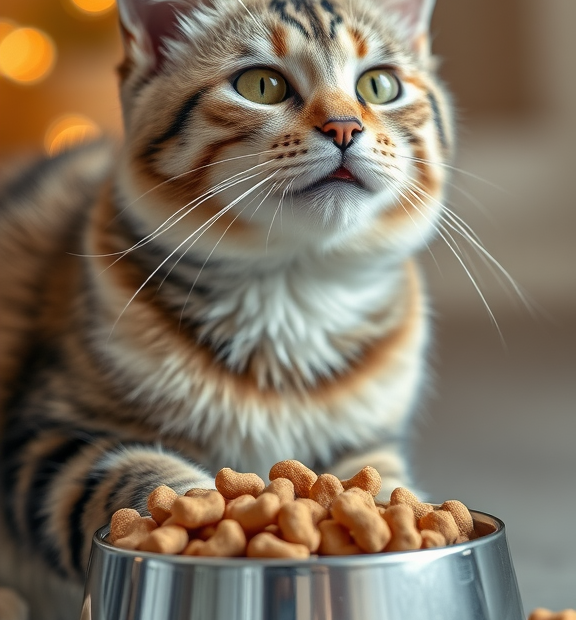
The Benefits of Soft Kibble Cat Food for Fussy Eaters
Every cat owner understands the struggles of dealing with a fussy eater. Finding the right food that both meets nutritional needs and satisfies a cat’s picky palate can feel like an impossible task. Soft kibble cat food emerges as a fantastic solution for those finicky feline companions. It provides several unique benefits that cater to their specific needs, making mealtime less of a battle and more of a delight.
Soft kibble cat food combines the crunchy texture of traditional kibble with a chewier, softer consistency. This dual texture appeals to cats that shy away from standard dry food. Here’s how it helps:
- Enhanced Flavor and Aroma: Soft kibble is often more flavorful due to its moisture content. The aroma is more enticing, which can stimulate a cat’s appetite and draw in even the pickiest of eaters.
- Gentler on the Teeth: For senior cats or those with dental issues, soft kibble provides an easier chewing experience. It reduces the strain on their teeth while still giving the benefits of kibble.
- Improved Hydration: Many cats do not drink enough water, leading to potential health issues. The soft texture in kibble often encourages them to achieve better hydration. Since moisture can be a concern, the added softness helps as a wet food without the fuss of traditional wet food packaging.
- Variety of Flavors: Manufacturers often produce soft kibble in various flavors. This variety makes it easier to cater to your cat’s preferences and keeps their meals exciting.
- Balanced Nutrition: Soft kibble maintains the nutritional balance that cats need, including proteins, vitamins, and minerals. This ensures your cat receives a well-rounded diet.
Introducing soft kibble cat food into your cat’s diet can make meal times much more pleasant. It might even be the solution you’re looking for if your kitty is turning their nose up at regular kibble. When transitioning your cat to a new food, take it slow. Mixing the new soft kibble with their current food can ease the change and help them acclimate.
It’s beneficial to watch your cat closely during this transition. Pay attention to how they react to the new food. Some cats may take to the soft kibble immediately, while others might be a bit hesitant. If you notice your cat is chewing their food differently or is more engaged at mealtime, that’s a good sign they are enjoying it!
Besides the apparent dental benefits of soft kibble, this type of food can also support digestive health. Cats can be sensitive to sudden changes in diet, but soft kibble is gentler on their stomach. The ease of digestion helps prevent issues like vomiting or diarrhea that can sometimes occur when introducing new foods.
Furthermore, for multiple cat households with varying preferences, soft kibble can be an all-in-one solution. It provides a satisfying crunch while offering a pliable texture that appeals to different tastes. You can feed it to young, healthy cats, as well as older or more sensitive ones, without worrying about who gets what.
Don’t forget to consider your cat’s overall lifestyle when choosing their food. If your cat is more active, you will want something that provides extra energy and nourishment. Soft kibble often caters to those needs, as many brands formulate their recipes to support various life stages and activity levels.
Ultimately, soft kibble cat food can be an excellent option to alleviate the stress that comes with feeding a picky eater. The combination of palatability, ease of chewing, and nutritional benefits provides an appealing alternative to traditional dry kibble. When your furry friend is easier to feed, you’ll have more time for cuddles and play instead of worrying about their mealtime preferences. Choosing the right food can transform your cat’s dining experience and help you maintain a happy and healthy household.
Comparing Soft Kibble Cat Food to Traditional Dry Options
When choosing food for your feline friend, you may come across the option of soft kibble cat food alongside traditional dry cat food. Understanding the differences between these two types of cat food can help you make the best decision for your pet’s dietary needs.
Soft kibble cat food is a relatively newer innovation in pet food. It has a unique texture that offers a delightful combination of crunch and chewiness. Many cats find this appealing, especially those who may struggle with hard, traditional kibble. On the other hand, traditional dry cat food is typically made up of hard pellets that help keep your cat’s teeth clean by scraping off plaque as they chew. Both types of food present their own advantages and disadvantages.
Texture and Acceptance
One of the main differences lies in texture. Soft kibble cat food is often more palatable for cats, especially those with sensitive teeth or dental issues. Here are some factors to consider:
- Softness: Soft kibble is easier on the teeth and gums compared to hard kibble.
- Flavor: Many brands infuse soft kibble with moist ingredients, making it aromatic and appealing.
- Digestion: Cats with digestive issues may find softer textures easier to handle.
Traditional dry kibble, while harder, often comes with a variety of flavors and shapes that cater to different preferences. Some cats might prefer this crunch, finding it satisfying to chew. If your cat enjoys crunching their food, dry kibble may be the way to go.
Nutritional Value
When it comes to nutrition, both types of kibble can provide balanced diets, but it’s essential to look at the ingredient list. Monitor the following nutrients:
- Protein: Essential for muscle growth and energy, make sure your chosen food lists quality protein sources.
- Fats: Healthy fats contribute to energy and coat health.
- Vitamins and Minerals: Ensure that both types have adequate vitamins and minerals for overall health.
Soft kibble often contains added moisture content or ingredients like meat or broth, enhancing its flavor and aroma but potentially altering its calorie count. Traditional dry kibble may have a higher carbohydrate content, which isn’t always ideal for your cat’s dietary needs. Always assess the nutritional label to find what best suits your cat’s lifestyle.
Convenience and Storage
Convenience is another aspect to consider. Here’s how both options stack up:
- Soft Kibble: This type needs to be sealed properly after opening to maintain freshness. The texture can change over time if exposed to air.
- Traditional Dry Kibble: Generally, traditional kibble has a longer shelf life. It often comes in larger bags and is easy to store.
If you need an easy-to-manage option for a busy routine, traditional dry kibble might provide added convenience without worrying about spoilage.
Cost-Effectiveness
When selecting cat food, price is an important factor. Softer kibble can sometimes be more expensive due to ingredient quality and manufacturing processes. Conversely, traditional dry options are often more budget-friendly. However, investing in high-quality food can pay off in your pet’s health and well-being over time, reducing potential vet bills.
Making the Choice
Your decision may ultimately depend on your cat’s unique needs. If your furry companion shows signs of dental issues, enjoys softer textures, or has a sensitive stomach, opting for soft kibble cat food might be the best choice. Alternatively, if your cat thrives on crunching their food and has no issues with their teeth, traditional dry kibble may meet their needs effectively.
Both soft kibble cat food and traditional dry options have distinct benefits and drawbacks. Understanding your cat’s preferences, dietary requirements, and lifestyle can guide you in making the right choice. Always consult your veterinarian for personalized advice tailored to your cat’s individual health and preferences.
Conclusion
Soft kibble cat food offers a fantastic solution for picky eaters who may turn their noses up at traditional dry options. The unique texture of soft kibble not only makes it easier for cats to chew and digest, but it also enhances palatability, ensuring that even the fussiest feline will find it enticing. This can be especially helpful for kittens and older cats, as they often prefer softer textures due to their developing or sensitive teeth.
When comparing soft kibble cat food to traditional dry varieties, it’s clear that each has its advantages. While traditional dry kibble is often praised for its high crunch factor and extended shelf life, soft kibble bridges the gap by providing a balanced nutritional profile with a more appealing consistency. Furthermore, soft kibble retains moisture content that can aid in hydration, addressing a common issue with many cat diets.
Choosing the right food for your cat is a vital decision that can impact their health and happiness. Soft kibble cat food might just be the ideal choice if you’re dealing with a fussy eater or an aging pet with dental issues. By offering a blend of taste, nutrition, and ease of consumption, it ensures that mealtime becomes a pleasant experience rather than a struggle. Exploring options within the realm of soft kibble can lead to a healthier and more satisfied cat. Ultimately, making informed choices about your pet’s diet is key to nurturing a joyful feline companion.