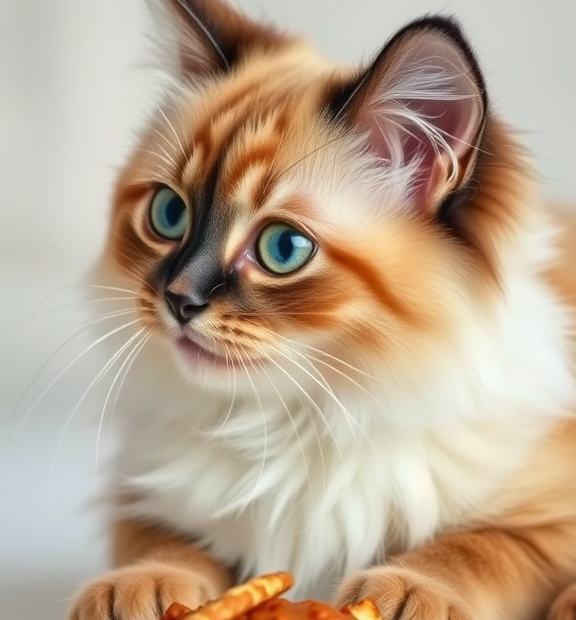
Soft, Sweet, and… Skipping Meals? How to Solve Your Ragdoll Cat’s Eating Issues Quickly
Ragdoll cats are known for their soft, silky fur and sweet, gentle temperaments. Their calm nature makes them perfect companions, but what can be puzzling for many owners is when their gentle friend starts skipping meals. If your ragdoll cat suddenly loses interest in food, it can be worrying and frustrating. The good news is that this eating problem can often be fixed quickly once you understand the reasons behind it and how to encourage your cat to eat again.
Understanding Why Your Ragdoll Might Skip Meals
Eating habits in cats can be influenced by many things, especially for a delicate breed like the ragdoll. Before rushing to any solutions, consider the following possible causes:
- Health Issues: Dental problems, infections, or digestive troubles can cause discomfort while eating.
- Stress and Environment Changes: Cats are sensitive creatures, and changes like moving to a new home, new pets, or loud noises can make them anxious.
- Diet Preferences: Ragdolls are often picky eaters. They may dislike a particular brand or flavor or even the temperature of the food.
- Meal Routine: Irregular feeding times or boredom with their usual meal can lead to skipped meals.
Quick Fixes to Encourage Eating
Once you’ve identified some potential reasons why your ragdoll is skipping meals, here are effective ways you can help your kitty start eating regularly again:
1. Check with a Veterinarian
If your ragdoll’s refusal to eat lasts more than a day or two, a vet visit is essential. Even subtle health issues need to be ruled out or treated early. Your vet can provide medication or special diets if needed.
2. Make Food More Appealing
Try warming the food slightly to enhance its aroma. Cats rely heavily on smell to decide what’s tasty. You can also add a bit of low-sodium broth or a small amount of wet food on top of dry food to tempt your cat.
3. Establish a Consistent Feeding Schedule
Ragdolls often respond well to routine. Serve meals at the same times every day. Avoid free feeding, where food is always available, as this can lead to boredom and skipping meals.
4. Offer Small, Frequent Meals
Instead of one large meal, offer smaller portions multiple times a day. This strategy can seem less overwhelming to your cat and encourages regular eating habits.
5. Use Dedicated Feeding Areas
Create a quiet, comfortable eating space free of distractions or other pets. Your ragdoll will feel more secure and relaxed during mealtime.
6. Experiment with Food Types and Textures
Some ragdolls prefer wet food over dry food or vice versa. You might want to try pate, chunks in gravy, or shredded options. Always introduce new foods gradually to avoid stomach upset.
Preventative Tips for Healthy Eating Habits
Beyond fixing immediate meal-skipping problems, keeping your ragdoll’s eating habits on track requires ongoing attention. Here are helpful tips to maintain their appetite and health:
- Regular Vet Checkups: Ensure health concerns that affect appetite are caught early.
- Fresh Water Always: Staying hydrated encourages better digestion and interest in food.
- Keep Meals Interesting: Rotate between approved flavors and brands to prevent boredom.
- Monitor Weight and Behavior: Sudden weight loss or lethargy can signal eating or health problems.
By observing your ragdoll’s routine and preferences, you can tailor their mealtime experience to suit their unique personality. Remember, patience is key. A sudden refusal to eat isn’t uncommon and often resolves quickly with some care and attention.
Signs of Trouble to Watch For
While a ragdoll skipping a meal now and then may be harmless, consistent refusal or other symptoms could mean serious issues:
- Vomiting or diarrhea
- Excessive drooling or pawing at the mouth
- Weight loss or muscle wasting over time
- Changes in behavior like hiding or aggression
If any of these signs appear, don’t delay getting professional advice, as early intervention can make a big difference for your ragdoll’s health.
Your soft, sweet ragdoll deserves the best care possible, especially when it comes to something as crucial as eating. By addressing the issue quickly and thoughtfully, you help ensure your feline friend stays happy, healthy, and well-nourished for years to come.
Understanding Your Ragdoll Cat’s Unique Appetite and Nutritional Needs
The Ragdoll cat is known for its soft, silky coat and gentle, affectionate nature. Yet, one aspect that can puzzle many owners is their unique eating habits and appetite. Unlike some more voracious feline breeds, Ragdolls might skip meals or show selective eating behaviors, leaving you wondering how to keep their diet balanced and nutritious.
Understanding what makes your Ragdoll’s appetite “soft and sweet” means recognizing their specific nutritional needs and responding thoughtfully to their feeding patterns. Ragdolls are known for being laid-back and easygoing, but this temperament can sometimes translate into a more delicate approach to eating. Skipping meals occasionally isn’t unusual, but persistent irregular eating can lead to health issues.
Why Does Your Ragdoll Skip Meals?
It’s normal to get concerned when your furry friend skips meals. But before jumping to conclusions, consider the following reasons why your Ragdoll may not eat happily:
- Stress or changes in environment: Ragdolls are sensitive to their surroundings. Moving, loud noises, or new pets can create anxiety that suppresses appetite.
- Food preferences: These cats can be picky and might reject food that doesn’t appeal to their taste buds.
- Health conditions: Mouth pain, gastrointestinal issues, or internal illnesses can cause a reluctance to eat.
- Feeding routine and schedule: Dietary inconsistency or feeding times that don’t match their natural habits could lead to skipped meals.
Addressing skipped meals isn’t just about offering food; it involves understanding your Ragdoll’s emotional and physical state. A visit to the veterinarian might be necessary if meal skipping becomes regular or prolonged.
Essential Nutrients Your Ragdoll Needs
Proper nutrition is crucial for your Ragdoll’s health, coat shine, and energy levels. These cats have diets that ideally include:
- High-quality protein: As obligate carnivores, Ragdolls require meat-based proteins to maintain muscle mass and overall vitality.
- Essential fatty acids: Omega-3 and omega-6 help sustain their soft, lustrous coat and promote skin health.
- Vitamins and minerals: Vitamin A, taurine, and certain B vitamins support eye health, heart function, and immune defense.
- Hydration: Cats are naturally prone to low thirst drive, so wet food or supplemental water sources encourage hydration.
Choosing complete and balanced cat foods formulated specifically for Ragdolls or similar breeds can ensure these needs are met. Avoid fillers and artificial additives, which may deter your cat from eating.
How to Encourage Consistent Eating Habits
If you notice your Ragdoll skipping meals or showing a lack of interest, try these strategies to encourage a healthy appetite:
- Regular feeding schedule: Offer meals at the same times daily. This creates predictability and comfort for your cat.
- Warm the food slightly: Warming canned food can enhance aroma and flavor, making it more enticing.
- Offer variety: Rotate between different protein sources or textures, such as pate, chunks in gravy, or dry kibble mixed with wet food.
- Create a quiet feeding space: Choose a calm, undisturbed area to let your Ragdoll eat peacefully.
- Limit treats: Too many snacks can reduce hunger during mealtimes.
It’s important to watch their weight and overall behavior. Changes in eating can signal stress or health problems requiring professional care.
Recognizing When to Seek Help
Missing occasional meals may not be cause for alarm, but a consistent pattern of refusal to eat requires vigilance. Signs that indicate a veterinary visit include:
- Weight loss or a thin appearance.
- Vomiting or diarrhea alongside loss of appetite.
- Lethargy or changes in social behavior.
- Difficulty chewing or swallowing food.
Your vet can run tests to identify any underlying illnesses and provide treatment or dietary adjustments to restore normal eating habits.
Creating a Positive Eating Environment
Ultimately, nurturing your Ragdoll’s eating experience with patience and attention to their unique personality fosters better health and happiness. By understanding their delicate appetite and providing nutritious, appealing choices, you help ensure your soft and sweet companion thrives every day.
Remember, the goal is not just to feed your Ragdoll but to engage with their needs actively and lovingly. Skipping meals can be a signal, not a setback, and acting quickly can fix your Ragdoll cat eat problem fast. Your care and responsiveness will make mealtime a delightful part of your pet’s daily routine.
Conclusion
When your soft, sweet Ragdoll cat starts skipping meals, it’s natural to feel worried. But by understanding their unique appetite and nutritional needs, you can quickly address this common issue. Remember, Ragdolls are gentle giants with a calm demeanor, which sometimes reflects in their eating habits. They may eat less frequently or be picky about their food. Paying close attention to their preferences and feeding routines allows you to create a mealtime experience they look forward to.
Providing balanced nutrition that matches your Ragdoll’s needs is key. High-quality protein, essential fats, and the right vitamins support their health and encourage good eating habits. Offering meals at consistent times and in a quiet, comfortable space can help ease any mealtime stress that might cause them to skip food.
If your Ragdoll continues to refuse meals, it’s important to consult a vet to rule out any health problems early on. Tracking changes in appetite alongside behavior and energy levels gives you helpful clues to your cat’s well-being.
With a little patience and care, you can fix your Ragdoll’s eating challenges fast and get them back to enjoying their soft, sweet meals happily. By focusing on their specific needs, you strengthen the bond with your furry friend and help them thrive every day.