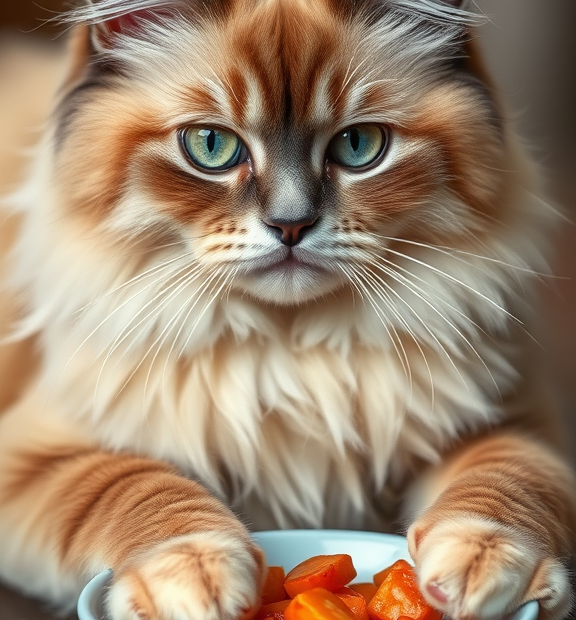
Solving Common Eating Problems in Ragdoll Cats: Practical Tips and Effective Solutions
Understanding Eating Challenges in Ragdoll Cats
Ragdoll cats are known for their gentle nature and striking appearance, but like all breeds, they can sometimes face eating difficulties that worry their owners. These issues may range from picky eating habits to more serious digestive problems. Understanding the root causes of these eating problems is the first step toward effective solutions that ensure your Ragdoll stays healthy and happy.
Common Eating Problems Observed in Ragdoll Cats
Several eating issues frequently affect Ragdolls, including:
- Picky Eating: Ragdolls are often finicky about food texture, flavor, or temperature, making them picky eaters.
- Overeating and Obesity: Their calm and sedentary nature sometimes leads to overeating, which results in weight gain.
- Dental Problems: Pain or discomfort from dental issues can cause reluctance to eat.
- Digestive Upset: Vomiting, diarrhea, or constipation may influence appetite and digestion.
- Food Allergies or Sensitivities: Some Ragdolls develop allergies that lead to discomfort and refusal to eat certain foods.
How to Encourage Healthy Eating Habits
If you notice that your Ragdoll cat is hesitant to eat or shows sudden changes in appetite, try these practical tips to encourage better eating habits:
Provide a Variety of High-Quality Foods
Offering a range of flavors and textures can help a picky Ragdoll find something they enjoy. Wet food is often preferred due to its aroma and softness, which is gentle on sensitive teeth. Rotate between different protein sources like chicken, turkey, or fish to keep your cat interested.
Create a Comfortable Feeding Environment
Ensure that your Ragdoll’s feeding area is quiet, safe, and free of distractions. Cats are sensitive creatures; a noisy or high-traffic spot may discourage them from eating. Use clean bowls and avoid strong odors around feeding times.
Feed Smaller, Frequent Meals
Dividing the daily food portion into several small meals helps control overeating and supports digestion. Frequent yet smaller servings can make food more appealing and easier to manage.
Addressing Specific Health-Related Eating Issues
When eating problems stem from health concerns, consider the following approaches to resolve them effectively:
Manage Dental Health
Dental pain can make it hard for your Ragdoll to eat solid foods. Regular veterinary dental check-ups and cleanings, combined with dental-friendly food or treats, can alleviate discomfort. Including wet or softened foods may also help until the dental issues are addressed.
Tackle Digestive and Allergy Problems
If your Ragdoll shows signs of digestive upset or allergies, consult your vet to identify triggers. A hypoallergenic or limited-ingredient diet may reduce symptoms. Probiotics can also support gut health, enhancing appetite and digestion.
Practical Feeding Strategies to Prevent Overeating
Preventing obesity in Ragdoll cats requires mindful feeding habits combined with regular activity. Try these strategies:
- Portion Control: Measure the food precisely according to your cat’s weight and activity level, avoiding free feeding.
- Interactive Feeding: Use puzzle feeders or treat balls to slow down eating and stimulate mental activity.
- Scheduled Feeding Times: Stick to regular feeding times instead of ad-libitum feeding to regulate appetite.
Recognizing When Professional Help is Needed
Persistent eating problems—such as ongoing refusal to eat, vomiting after meals, or significant weight loss—are signs to consult a veterinarian promptly. Early intervention can uncover underlying health problems and prevent complications.
Additional Tips to Support Your Ragdoll’s Eating Well-Being
Beyond addressing immediate problems, these tips promote overall appetite health:
- Hydration: Encourage water intake by offering fresh water and considering wet food to keep your cat hydrated.
- Temperature Sensitivity: Some Ragdolls prefer food at room temperature, making it palatable and easier to eat.
- Stress Reduction: Minimize stressors at mealtime by maintaining a calm environment, as anxiety can suppress appetite.
- Monitor Changes: Keep an eye on eating habits, weight changes, and behavior, noting anything unusual to discuss with your vet.
By recognizing common eating challenges in Ragdoll cats and applying these targeted strategies, you ensure that your feline companion enjoys a nutritious, comfortable diet tailored to their unique needs. This approach helps maintain their health, vitality, and the affectionate personality that makes the Ragdoll so beloved.
Understanding Dietary Needs and Preferences Unique to Ragdoll Cats
Recognizing the Unique Nutritional Profile of Ragdoll Cats
Ragdoll cats are known for their striking blue eyes, silky coats, and gentle demeanor. Though they share many dietary needs with other cats, their unique physiology and temperament mean they benefit from a tailored nutritional approach. Unlike other breeds, Ragdolls often have slower metabolisms and a less active lifestyle, which influences how their body processes food. Understanding these subtle differences can help you provide the optimal diet that supports their overall health.
Essential Nutrients Tailored for Ragdolls
All cats require a diet rich in proteins, fats, vitamins, and minerals. However, Ragdolls, in particular, thrive on diets that emphasize high-quality animal proteins. Since they are less active, it’s crucial to moderate their fat intake to prevent obesity, a common issue in this breed.
- Protein: Protein should come from sources like chicken, turkey, or fish. This supports muscle maintenance and the development of their dense coat.
- Fat: Healthy fats such as omega-3 and omega-6 fatty acids aid in maintaining skin health and a shiny coat without excess calorie intake.
- Taurine: Like all cats, Ragdolls require taurine, an essential amino acid critical for heart function, vision, and immune system support.
- Vitamins and minerals: Vitamins A, E, and B-complex, along with minerals like calcium and phosphorus, keep their bones strong and support metabolism.
How Activity Levels Influence Dietary Needs
The calm and laid-back nature of Ragdolls means they typically expend less energy compared to more active breeds. Because of this, feeding high-calorie meals can lead to unwanted weight gain. Carefully selecting a diet that maintains lean muscle while avoiding excess calories is vital. Many owners find that portion control and scheduled feeding times help manage this balance effectively.
Preferred Food Textures and Flavors
Ragdoll cats tend to enjoy a variety of textures, but individual preferences vary. Some favor wet food due to its moisture content and soft texture, which also promotes hydration. Others prefer dry kibble for dental benefits and ease of storage. Offering a mix can satisfy their palate while ensuring hydration and dental health.
Flavor-wise, Ragdolls often show preference for poultry and fish-based meals. Introducing new flavors gradually can help prevent picky eating, especially since Ragdolls can become attached to certain tastes.
Important Feeding Tips to Cater to Your Ragdoll’s Preferences
- Consistency in diet: Sudden changes can upset their digestion; transition foods slowly over 7-10 days.
- Monitor portion sizes: Use measuring cups or a scale to avoid overfeeding.
- Maintain hydration: Provide fresh water at all times and consider supplementing wet food to boost fluid intake.
- Address picky eating: Experiment with different high-quality foods to determine your cat’s favorite flavors.
- Regular veterinary checkups: Assess dietary needs based on changing health status.
Common Dietary Concerns and How to Handle Them
Sometimes, Ragdoll cats develop eating problems due to their breed-specific traits or health issues. Overeating is a common challenge, often leading to weight gain and related illnesses like diabetes or joint problems. Implementing scheduled, controlled feeding routines and avoiding free-feeding can significantly reduce these risks.
Another concern is food sensitivity or allergies. Ragdolls may react to certain ingredients like grains or artificial additives. Observing symptoms like vomiting, itchy skin, or diarrhea following a meal warrants consultation with a veterinarian to identify and eliminate problematic ingredients.
Choosing the Right Diet for Life Stages
Just like people, cats have different nutritional requirements depending on their age. A kitten Ragdoll’s diet should be rich in calories and nutrients to support growth, while adult cats need balanced food to maintain weight and health. Senior Ragdolls benefit from diets that support joint health and lower calorie content to match reduced activity levels.
Homemade vs. Commercial Food: What Suits Ragdolls Best?
Many Ragdoll owners wonder whether homemade food might be better. Homemade diets can offer control over ingredients and freshness but require careful planning to ensure nutritional completeness. Commercial foods designed for cats, especially those tailored to specific life stages, provide the convenience of a balanced diet backed by research.
Whichever you choose, always prioritize a nutrient-complete food with clear labeling. Consulting your veterinarian or a pet nutritionist can help determine the best feeding approach customized to your Ragdoll’s needs.
Maintaining a Healthy Weight Through Diet and Lifestyle
Weight management is perhaps the most critical aspect of caring for a Ragdoll’s diet because this breed is prone to weight gain. Combine mindful feeding with play and moderate exercise to keep your cat fit and happy. Toys, puzzle feeders, and gentle interactive play encourage movement while preventing boredom-driven overeating.
Understanding the dietary needs and preferences unique to Ragdoll cats lets you provide care that enhances their well-being and longevity. Tailoring the diet with quality proteins, balanced nutrients, and consideration for their temperament ensures they stay healthy and vibrant through every life stage.
Conclusion
Addressing eating problems in Ragdoll cats is essential for their health and happiness. By understanding their unique dietary needs and preferences, you can tailor feeding routines to ensure they receive the right nutrition. Ragdolls often prefer specific textures or flavors, so experimenting with different high-quality foods can make mealtime more enjoyable for your feline friend. Practical tips such as monitoring meal portions, maintaining consistent feeding schedules, and creating a quiet, comfortable eating environment can significantly reduce common feeding issues.
If you notice your Ragdoll struggling with appetite or picky behavior, paying close attention to their preferences and health can help identify underlying problems early. Regular veterinary check-ups are also important, as some eating challenges stem from medical conditions that need professional care. Remember, patience and observation go a long way when addressing eating problems, allowing you to make informed adjustments that support your cat’s well-being.
Ultimately, providing a balanced diet while catering to your Ragdoll’s individual tastes will promote better eating habits and a stronger bond between you and your pet. With the right knowledge and approach, you can overcome common feeding challenges and help your Ragdoll thrive for years to come.