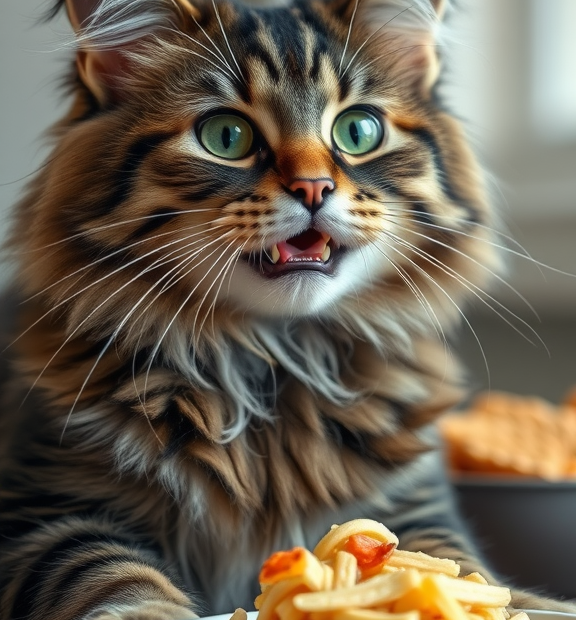
Effective Strategies for Solving the Picky Eater Phase in Maine Coon Cats
Dealing with a Maine Coon cat that suddenly refuses to eat can be stressful for any cat owner. This breed is known for being large, sociable, and generally good eaters, but like many cats, Maine Coons can go through picky eating phases. Addressing this requires patience, understanding, and some tactical adjustments to their feeding routine.
Understanding Why Maine Coons Become Picky Eaters
Before trying to solve the picky eater phase, recognize the reasons behind it. Maine Coons might become choosy due to changes in their environment, health issues, or simply boredom with their food. Sometimes, their sensitive taste buds demand variety or higher-quality ingredients. Identifying the underlying cause helps tailor the right strategy to encourage healthy eating.
Strategies to Encourage Maine Coons to Eat
1. Gradual Food Transition
Sudden changes in diet can unsettle your cat’s appetite. When introducing new food, mix it gradually with their old food over a week or more. This slow transition helps your Maine Coon accept new flavors without stress.
2. Offer Various Textures and Flavors
Maine Coons might prefer wet food over dry or vice versa. Try combining different textures like pate and chunks or varying flavors such as chicken, fish, or turkey to stimulate their interest. Some cats find warm food more appealing, so warming wet food slightly can also entice them.
3. Maintain a Consistent Feeding Schedule
Regular meal times create a routine and expectation for your cat. Feeding your Maine Coon at the same times daily helps develop a dependable eating pattern and reduces fussiness.
4. Limit Treats and Snacks
Overindulging on treats can spoil your cat’s appetite. Too many snacks often lead Maine Coons to reject their nutritious meals in favor of less healthy options. Keep treats minimal and balanced within your cat’s dietary needs.
5. Create a Calm Eating Environment
Stress may play a big role in feline picky eating. Provide a quiet, comfortable spot for feeding away from loud noises, other pets, or high-traffic areas. A peaceful setting encourages Maine Coons to eat without distractions.
Addressing Health-Related Eating Issues
If your Maine Coon’s picky eating persists or is accompanied by other symptoms such as weight loss, lethargy, or vomiting, a veterinary check-up is crucial. Dental problems, digestive issues, or underlying illnesses like kidney disease can reduce appetite. Early detection of health problems ensures your cat receives proper treatment and nutrition.
Nutritional Tips to Keep Your Maine Coon Happy and Healthy
A well-balanced diet plays a vital role in preventing picky eating phases. Maine Coons require high-quality protein sources to sustain their large, muscular frames. Look for cat foods rich in animal proteins, omega-3 fatty acids, and minimal fillers. Ensure fresh water is always accessible, as hydration supports appetite and digestion.
Using Positive Reinforcement to Encourage Eating
Engage your Maine Coon during feeding time through gentle encouragement and praise when they eat. Sometimes, interactive play before meals increases hunger, making them more likely to eat. Avoid forcing or scolding, as this heightens anxiety and worsens eating behavior.
Helpful Products and Tools for Managing Picky Eating
- Automatic feeders: Can help schedule meals and control portions precisely.
- Slow feeders: Encourage slower eating, which can improve digestion and interest in food.
- Food toppers and broths: Adding tasty nutritional toppers or warm broth can enhance flavor appeal.
- Specialty bowls: Some cats prefer wide, shallow bowls to avoid whisker fatigue during meals.
Patience and creativity are your best assets when managing the picky eater phase in your Maine Coon cat. By paying close attention to their preferences, health, and environment, you can guide your pet back to a balanced and enjoyable eating routine. Always prioritize your cat’s well-being and consult your veterinarian for persistent problems to keep your Maine Coon thriving during all stages of life.
Nutritional Tips and Meal Planning to Support Your Maine Coon’s Eating Habits
Understanding the Unique Dietary Needs of Maine Coons
Maine Coon cats are known for their large size, thick coats, and gentle personalities. These traits also influence their nutritional requirements. Due to their bigger frames and active nature, Maine Coons need a well-balanced and nutrient-dense diet that supports muscle development, maintains their coat’s health, and keeps their energy levels steady throughout the day. Recognizing these unique needs is the first step in ensuring your feline friend enjoys both their meals and vibrant health.
Key Nutrients Essential for Maine Coon Health
Feeding your Maine Coon means focusing on certain vital nutrients that keep them thriving:
- Protein: High-quality animal protein is crucial to support their muscle mass. Look for foods where real meat, like chicken or fish, is the primary ingredient.
- Fatty Acids: Omega-3 and Omega-6 fatty acids help maintain a shiny coat and reduce skin issues.
- Taurine: This amino acid supports heart and eye health, making it a non-negotiable element in any cat food.
- Vitamins and Minerals: Calcium, phosphorus, and vitamins A, E, and D contribute to strong bones and overall immune function.
Strategies for Meal Planning to Encourage Eating
When dealing with Maine Coons’ eating habits, meal planning can make a significant difference. The goal is to create a routine that balances nutrition, tastiness, and variety. Here’s how to succeed:
- Regular Meal Times: Stick to consistent feeding schedules. Maine Coons often respond well to routine, which can prevent them from grazing all day and losing interest in their food.
- Portion Control: Avoid overfeeding to keep your cat motivated to eat during meal times and prevent obesity.
- Mix Wet and Dry Food: Combining wet and dry food offers texture variation, moisture intake, and enrichment.
- Introduce New Foods Slowly: When changing diets or introducing new flavors, do so gradually over a week to avoid digestive upset.
Practical Nutritional Tips to Enhance Eating Experience
The picky eater phase can challenge even the most patient cat owners. Here are tactics to boost your Maine Coon’s interest in food and ensure nutritional adequacy:
- Warm the Food Slightly: Warming wet food can enhance its aroma, making it more appealing.
- Experiment with Texture: Some Maine Coons prefer pate-style food, while others like chunks in gravy. Finding the right texture can encourage eating.
- Use Interactive Feeders: Feeding toys or puzzle feeders stimulate their natural hunting instincts and can make mealtime fun.
- Hand-Feeding During Picky Phases: Sometimes your Maine Coon needs extra encouragement. Hand-feeding small portions reassures and strengthens your bond.
What to Avoid When Planning your Maine Coon’s Meals
Understanding what not to feed your Maine Coon is as important as knowing what to include. Certain foods and habits can upset their digestive system or create nutritional imbalances:
- Too Many Fillers: Avoid cat foods high in corn, soy, or wheat, which offer little nutritional value.
- Human Foods: Many human snacks, such as onions, garlic, chocolate, and certain dairy products, are toxic or difficult for cats to digest.
- Over-reliance on Treats: Treats should make up no more than 10% of daily calorie intake to prevent unbalanced diets.
- Free Feeding: Leaving food out all day can lead to overeating and dull the cat’s appetite for mealtime food.
Monitoring Health Through Nutrition
Because Maine Coons are prone to certain health issues like hip dysplasia and hypertrophic cardiomyopathy, proper nutrition plays a crucial role in prevention and management. Regular check-ups paired with a tailored diet help catch problems early and maintain your cat’s wellness.
Look out for these signs to adjust your feeding plan:
- Sudden changes in appetite or weight
- Excessive shedding or dull coat
- Digestive upset such as vomiting or diarrhea
- Reduced energy or reluctance to move
By working closely with your veterinarian and fine-tuning your Maine Coon’s meals according to these observations, you promote long-term health and satisfaction.
Tips for Seamless Meal Prep and Feeding
Keeping meal prep efficient ensures you stick to your Maine Coon’s nutritional plan without stress:
- Batch-prepare wet food portions and store in the fridge or freezer
- Invest in measuring cups or scales to control portion sizes
- Clean feeding dishes regularly to avoid bacterial buildup
- Maintain a quiet and calm feeding environment to reduce stress
When you consistently care for your Maine Coon’s diet with attention and love, you encourage healthy eating habits that last a lifetime. Remember, a well-fed Maine Coon is a happy, vibrant companion.
Conclusion
Navigating the picky eater phase in your Maine Coon cat can be challenging, but with patience and the right approach, you can turn mealtime into a positive experience for both you and your feline friend. By implementing effective strategies such as offering a variety of textures, introducing new foods gradually, and maintaining a consistent feeding schedule, you encourage your Maine Coon to explore and accept different flavors. Remember, staying calm and persistent during this phase reduces stress for your cat and increases the chances of successful feeding.
Equally important is focusing on proper nutrition tailored to your Maine Coon’s unique needs. Planning balanced meals rich in high-quality protein, essential fatty acids, and necessary vitamins supports their growth, energy, and overall health. wet food options can also enhance hydration, which is crucial for this breed. By thoughtfully selecting and preparing meals, you can encourage better eating habits that last well beyond the picky eating stage.
Ultimately, understanding your Maine Coon’s preferences and nutritional requirements enables you to solve the eating problems effectively. With consistency, care, and well-planned nutrition, you’ll help your furry companion thrive, ensuring they receive the nourishment they need to grow into the majestic and healthy cat you cherish.