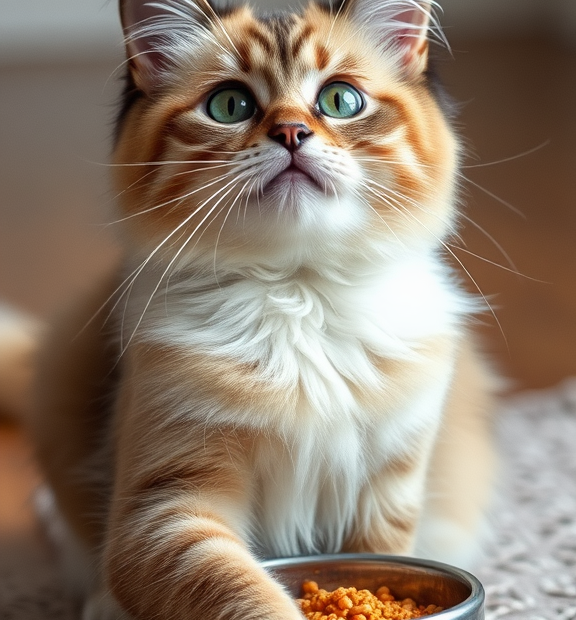
Solving the Ragdoll Cat Eat Problem Without Stressing You or Your Kitty Out 💆♀️🐾: Practical Tips and Techniques
Ragdoll cats are known for their gentle nature and striking blue eyes. However, like any pet, they sometimes develop eating habits that can concern their owners. Whether your Ragdoll is a picky eater, eating too fast, or showing reluctance to eat at all, addressing these challenges without adding stress to either you or your feline friend is key to maintaining a happy household.
Understanding Your Ragdoll’s Eating Behavior
Before rushing to solutions, it’s important to understand why your Ragdoll cat might be experiencing eating issues. These cats are naturally calm and affectionate but can also be sensitive to environmental changes. Stress, illness, or feeding routine changes may lead to eating problems.
Some common eating problems include:
- Picky eating or sudden refusal to eat
- Eating food too quickly, leading to vomiting or indigestion
- Overeating and potential obesity
- Disinterest in dry or wet foods
Knowing these factors helps you approach the issue with patience and empathy, rather than frustration.
Creating a Calm Feeding Environment
Ragdolls thrive in serene and consistent environments. When mealtime is rushed, noisy, or filled with distractions, your kitty might feel uneasy. Try these simple tips to create a calming feeding space:
- Choose a Quiet Spot: Place the feeding bowl in a low-traffic area where your cat can eat peacefully.
- Maintain Consistent Feeding Times: Cats appreciate routine; feeding your Ragdoll at the same times each day encourages regulated eating habits.
- Use Comfortable Bowls: Shallow, wide bowls work best to avoid whisker stress, which some cats find irritating during meals.
Slowing Down Rapid Eaters
If your Ragdoll gobbles up food too quickly, it can lead to discomfort and regurgitation. To help slow down your cat’s eating, consider these techniques:
- Feed Smaller Portions More Often: Instead of giving one large meal, divide their daily ration into multiple smaller meals to avoid overeating.
- Use Puzzle Feeders or Slow Feed Bowls: These tools encourage your kitty to work for their food, naturally reducing speed during mealtime.
- Place Obstacles: Strategically put small, safe objects (like clean stones or tennis balls) in the food bowl to slow down their eating pace.
Encouraging Picky or Reluctant Eaters
When your Ragdoll refuses to eat or becomes pickier than usual, it might be due to boredom, health issues, or changes in diet. To gently encourage eating without stress:
- Ensure Freshness of Food: Cats appreciate fresh, palatable meals. Avoid feeding food that has been sitting out too long.
- Warm Up the Food Slightly: Gently warming canned or wet food can enhance its aroma, making it more enticing.
- Introduce Variety Gradually: Slowly mix new foods with familiar favorites to prevent sudden dietary shocks.
- Check for Underlying Health Problems: If a sudden loss of appetite occurs, consult a veterinarian to rule out illness.
Balancing Nutritional Needs with Enjoyment
It’s essential to combine balanced nutrition and mealtime enjoyment. Ragdolls can be sensitive to textures and flavors, so experimenting without stress is key.
Offer a mix of high-quality dry kibble and canned food to keep the experience interesting, while ensuring nutritional completeness. Also, provide clean, fresh water near their food bowls to encourage hydration.
Using Positive Reinforcement to Promote Healthy Eating
Rewarding your Ragdoll for eating well can create positive associations with mealtime.
- Praise your cat softly during and after meals.
- Offer small, healthy treats for trying new foods.
- Maintain a calm and encouraging tone to build trust.
Managing Stress for a Happier Feeding Routine
Remember, stress affects appetite. If your kitty is anxious, try to minimize household disruptions during feeding times. Establish a peaceful routine with minimal loud noises or sudden movements.
Engaging your Ragdoll in gentle play before meals can help release pent-up energy and foster a healthy appetite.
When to See a Vet
If eating problems persist despite your efforts, it’s crucial to consult a veterinarian. Loss of appetite, vomiting, or noticeable weight changes might signal health issues needing professional attention.
Taking steps to solve your Ragdoll cat’s eating issues with patience and understanding will help both of you avoid unnecessary stress. Creating a peaceful feeding environment, slowing down fast eaters, encouraging reluctant ones, and using positive reinforcement are practical ways to support your kitty’s well-being, making mealtime a calming, enjoyable experience for you both.
Creating a Calm Feeding Environment: How to Support Your Ragdoll Cat’s Mealtime Routine Effectively
Creating a calm and supportive atmosphere for your Ragdoll cat during mealtime is essential for their well-being and your peace of mind. Ragdoll cats are known for their gentle and affectionate nature, but they might sometimes develop eating problems if their environment is noisy, stressful, or inconsistent. When mealtime becomes a challenge, both you and your pet can feel anxious, which may worsen the situation.
To help your Ragdoll cat thrive during feeding times, establishing a calm routine is key. Cats respond well to predictability, and by setting clear expectations and creating a tranquil space, you can encourage your furry friend to enjoy their meals without stress.
Choose a Quiet Feeding Spot
Location is crucial for creating a peaceful eating environment. Avoid placing your cat’s food bowl near loud appliances, heavy foot traffic, or areas where other pets can disturb them. Instead, find a quiet corner or room where your Ragdoll can eat calmly without feeling threatened or distracted.
A consistent feeding location also helps your cat associate that spot with food and safety. This can reduce hesitation and anxiety around mealtime.
Maintain a Consistent Schedule
Ragdolls appreciate routine. Feeding your cat at the same times every day trains their internal clock and helps them feel more secure. You can establish fixed meal times, for example, morning and evening, so your cat knows when to expect food. This consistency reduces stress and prevents pacing or crying due to hunger or uncertainty.
Use Calm and Gentle Cues
Your behavior and tone of voice affect your cat’s mealtime mood. Approach feeding with patience, a soft voice, and calm movements. Loud noises, sudden actions, or rushing your Ragdoll to finish their meal can increase stress levels. By staying relaxed and positive, you create an inviting atmosphere that encourages your cat to eat peacefully.
Minimize Competition and Distractions
If you have multiple pets, feeding them separately can prevent competition and reduce stress. Ragdoll cats are sensitive and may feel intimidated if other animals eat nearby or try to steal their food. Providing your Ragdoll with a private and safe feeding space ensures they can eat at their own pace without fear.
Additionally, turn off televisions, radios, or other sounds that could distract or upset your cat during mealtime. A quiet environment helps them focus on eating.
Select the Right Feeding Tools
The type of bowl or feeding mat you use can also influence your cat’s comfort. Choose wide, shallow bowls to prevent whisker fatigue, which occurs when a cat’s sensitive whiskers brush repeatedly against the sides of a deep bowl, causing discomfort.
Non-slip mats can keep the bowl steady, preventing spills that might irritate your cat. Clean the bowls regularly to avoid odors that may deter your kitty from eating.
Monitor Your Ragdoll’s Eating Habits
By keeping a close eye on your cat’s meal behavior, you can quickly identify any changes or problems. Note the amount of food eaten, the time taken, and any signs of distress like meowing, pawing at the food, or refusal to eat.
If you notice persistent eating difficulties, consult your vet to rule out medical issues or receive nutritional advice tailored to your Ragdoll’s needs.
Integrate Positive Reinforcement and Patience
Reward your Ragdoll with gentle affection or a favorite treat after they eat calmly. This positive reinforcement teaches your cat that eating in the calm environment brings pleasant outcomes. Never punish or scold your cat for feeding problems as this can increase anxiety and worsen the situation.
Remember, patience is vital. Some cats take time to adjust to routines and environmental changes, so give your Ragdoll plenty of love and support while they adapt.
Consider Special Feeding Solutions if Needed
In some cases, specialized feeding tools like puzzle feeders or slow feeders can help if your Ragdoll eats too quickly or lacks interest in food. These feeders stimulate mental engagement and can turn mealtime into a relaxing activity. Just make sure they do not add stress but rather enhance your cat’s eating experience positively.
Supporting your Ragdoll cat’s mealtime routine with a calm and structured environment benefits both you and your pet. A quiet feeding spot, consistent schedule, minimal distractions, and gentle cues foster a peaceful experience. Observing and adapting to your cat’s needs along with positive reinforcement builds trust and reduces mealtime stress, creating joyful moments for your furry companion and yourself.
Conclusion
Addressing your Ragdoll cat’s eating challenges doesn’t have to be a source of stress for either of you. By applying practical tips and techniques tailored to your cat’s unique needs, you can transform mealtime into a peaceful, enjoyable experience. Creating a calm feeding environment is key — simple actions like choosing a quiet spot, maintaining consistent feeding times, and removing distractions can work wonders. Supporting your kitty’s routine with patience and understanding helps build trust and reduces anxiety around food.
Remember, every Ragdoll is different. Observing your cat’s behavior and adjusting your approach ensures their comfort and encourages healthy eating habits. When you prioritize a stress-free atmosphere, you not only improve your cat’s eating but also strengthen your bond. Taking these thoughtful steps will lead to happier mealtimes and a healthier, more content Ragdoll companion by your side.