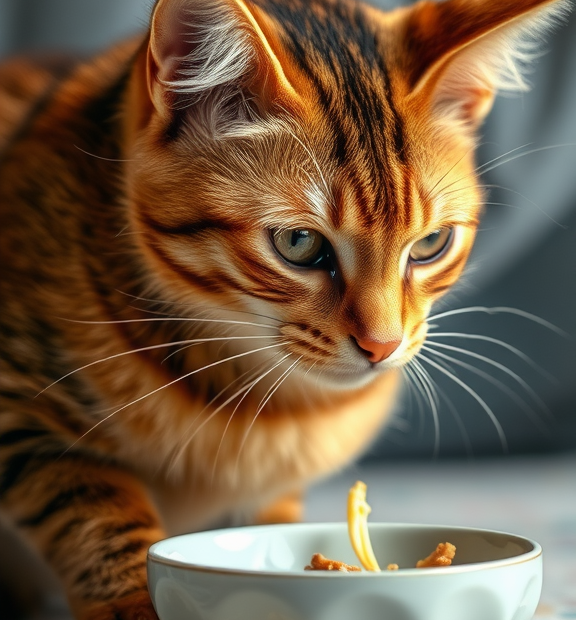
Effective Strategies for Solving Your Abyssinian Cat’s Eating Problems
Abyssinian cats are known for their playful nature, sleek appearance, and high energy levels. However, when it comes to feeding, some owners notice their Abyssinians displaying fussy or irregular eating habits that can be concerning. Understanding the root causes of your Abyssinian cat’s eating problems and taking proactive steps can help ensure they stay healthy and happy.
Recognizing Common Eating Challenges in Abyssinian Cats
Before tackling the issue, it’s important to identify what type of eating problem your Abyssinian is facing. Some of the most frequent issues include:
- Lack of appetite: Your cat refuses to eat or shows little interest in food.
- Picky eating: Selective about food types or brands, often refusing new or different meals.
- Sudden food aversions: Avoiding a previously favored dish without any clear reason.
- Rapid eating or gulping: Eating too fast, which can lead to vomiting or digestive upset.
Identifying the specific behavior makes it easier to apply effective strategies that fit your Abyssinian’s needs.
Health Checks First: Rule Out Medical Causes
Eating problems may sometimes signal underlying health issues, so scheduling a veterinary visit is a crucial first step. Conditions such as dental problems, gastrointestinal disorders, or infections can cause discomfort and loss of appetite. Be on the lookout for symptoms like drooling, pawing at the mouth, vomiting, weight loss, or lethargy alongside eating difficulties. Addressing any medical reasons will drastically improve your cat’s willingness to eat.
Creating an Inviting Feeding Environment
Your Abyssinian cat’s surroundings during mealtime play a key role in encouraging healthy eating habits. Consider these environmental adjustments:
- Quiet and calm space: Place the food bowl away from loud noises or busy household areas to help your cat focus on eating.
- Clean bowls: Ensure feeding dishes are cleaned regularly to prevent odors or old residues that may put your cat off.
- Elevated feeding stations: Some cats feel more comfortable eating off the floor, so using a raised bowl stand might entice better eating behavior.
- Consistent feeding schedule: Provide meals at the same times daily to build a routine your Abyssinian can anticipate.
Tailoring Food Choices to Your Abyssinian’s Preferences
Abyssinians may be particular about textures and flavors. Offering a variety of food options can help you discover what appeals most to your cat:
- Texture variations: Try mixing wet food, dry kibble, and lightly cooked meat to see which your cat prefers.
- Flavor experimentation: Rotate between different protein sources such as chicken, fish, or turkey to find favorites.
- High-quality ingredients: Opt for premium cat foods with natural components and limited fillers, supporting overall health and appetite.
Encouraging Appetite with Interactive Feeding Methods
Stimulating your Abyssinian’s natural hunting and foraging instincts can make mealtime more engaging. Techniques include:
- Puzzle feeders: These challenge your cat to work for their food, making eating fun and mentally stimulating.
- Hand feeding: Offering bites from your hand can strengthen your bond and reassure a hesitant eater.
- Multiple small meals: Serving several small portions throughout the day can prevent overwhelming your cat and increase overall consumption.
Monitoring and Adjusting Feeding Practices
Keeping track of your Abyssinian’s eating habits will help you spot patterns and improvements. Use a feeding diary to record:
- Types of food offered and accepted
- Amounts eaten at each meal
- Behavior during and after eating
- Any signs of distress or refusal
This data can assist your veterinarian in offering targeted advice or adjusting dietary plans if necessary.
Additional Tips for Encouraging Better Eating
Some extra strategies include:
- Avoid sudden changes in diet; transition gradually by mixing old and new foods over 7-10 days.
- Warm up wet food slightly to enhance aroma and appeal.
- Limit treats between meals to avoid spoiling the appetite.
- Keep fresh water accessible at all times to promote hydration alongside eating.
By combining attentive care, environmental adjustments, and personalized feeding routines, you can overcome most eating problems your Abyssinian cat might face. With patience and observation, your cat will be on the path to enjoying each meal happily and healthily.
Understanding Common Causes Behind Eating Issues in Abyssinian Cats
Abyssinian cats are known for their energetic and curious personalities, but sometimes they may face challenges when it comes to eating. Understanding the common causes behind eating issues in Abyssinians is essential for any cat owner who wants to ensure their feline friend stays healthy and happy. Several factors can contribute to changes in appetite or eating difficulties, ranging from health problems to environmental stressors. By recognizing these causes early on, you can take appropriate steps to help your Abyssinian enjoy mealtimes again.
Health-Related Causes Affecting Appetite
One of the most significant reasons your Abyssinian might show eating problems is due to an underlying health condition. Cats are naturally good at hiding discomfort, so subtle changes like reduced interest in food might be an early warning sign.
Dental Issues
Dental pain is a common culprit behind eating difficulties. Abyssinians are active cats that sometimes develop tartar buildup, gingivitis, or even infections in their teeth and gums. Any pain in the mouth often causes them to avoid chewing, leading to a decline in appetite or selective eating habits.
Gastrointestinal Problems
Stomach upset, constipation, or inflammatory bowel diseases can make eating uncomfortable for your furry friend. If your Abyssinian vomits, has diarrhea, or shows signs of abdominal pain alongside appetite loss, these symptoms point toward digestive troubles that need veterinary attention.
Systemic Illnesses
Chronic diseases such as kidney failure, hyperthyroidism, or infections often cause lethargy and decreased food intake. These conditions are more common in older cats, so monitoring changes in appetite as your Abyssinian ages is important. Early diagnosis can help manage these illnesses more effectively.
Psychological and Environmental Factors
Beyond physical health, a cat’s mental state and environment significantly influence their eating behavior. Abyssinians are social and intelligent cats who thrive in stable surroundings; disruptions can affect their desire to eat.
Stress and Anxiety
Changes in routine, moving to a new home, introduction of new pets, loud noises, or even household tension can stress Abyssinian cats. Stress commonly leads to reduced appetite or food aversion. Observing your cat’s environment for potential stress triggers is essential to keep your pet comfortable.
Food Preferences and Palatability
This breed often exhibits selectiveness when it comes to food textures and flavors. A sudden change in brand or formula might lead them to stop eating. Also, stale or improperly stored food tastes less appealing. Ensuring the food you offer matches your Abyssinian’s taste preferences and is fresh can prevent mealtime refusals.
Behavioral Factors and Feeding Practices
Sometimes, feeding routines can unintentionally contribute to eating problems. Understanding and adapting to your Abyssinian’s natural behaviors can make mealtime more enjoyable.
Feeding Frequency and Portion Size
Abyssinians are active cats with moderate appetites. Offering very large portions at once may overwhelm them, causing incomplete meals. Splitting daily food into multiple smaller portions encourages steady eating habits and reduces the risk of overeating or food avoidance.
Feeding Location and Dish Type
Busy or noisy feeding areas may distract or intimidate your cat during mealtime. Make sure your Abyssinian eats in a quiet, comfortable spot away from foot traffic or other pets. Some cats also show preferences for food bowl materials like ceramic or stainless steel over plastic, which can alter their willingness to eat.
Competition with Other Pets
If you have multiple pets, your Abyssinian could be reluctant to eat if other animals dominate the food bowl. Establish separate feeding zones to help reduce competition and ensure your cat can eat calmly.
Common Signs to Watch For
- Refusal to eat favorite foods or decreased interest in treats
- Weight loss or noticeable thinness
- Drooling or pawing at the mouth
- Vomiting, diarrhea, or constipation
- Lethargy or changes in behavior
- Changes in drinking habits alongside eating issues
Seeing any of these signs should prompt a visit to your veterinarian for a thorough checkup.
Taking Action to Address Eating Problems
Once you understand the possible causes behind your Abyssinian’s eating difficulties, here are some practical steps to take:
- Schedule regular veterinary checkups to catch health issues early.
- Maintain a consistent feeding schedule with high-quality, fresh food.
- Reduce environmental stressors and provide a calm feeding area.
- Use appropriate-sized bowls made from materials favored by your cat.
- Monitor your cat’s weight and eating behavior daily.
- Consult your vet about dental exams or specialized diets if needed.
By addressing both the physical and emotional needs of your Abyssinian cat, you create an environment that encourages healthy eating habits. Remember, persistent eating problems should never be ignored, as they often point to underlying issues requiring attention. With patience, observation, and care, you can help your Abyssinian maintain a strong appetite and vibrant health.
Conclusion
Helping your Abyssinian cat overcome eating problems starts with understanding the unique reasons behind their behavior. By recognizing common causes such as stress, dental pain, or environmental changes, you can take targeted steps to improve their appetite. Implementing effective strategies—like offering balanced, high-quality food, maintaining a consistent feeding schedule, and creating a calm eating space—can make mealtimes more enjoyable for your feline friend.
Remember, patience and observation are key. Keep an eye on your Abyssinian’s eating patterns and overall health to catch any changes early. When you address the root causes and apply practical solutions, you not only solve their eating problems but also support their long-term wellbeing. Your attentive care shows your cat that mealtime is safe and satisfying, helping to restore their natural love for food.
With these simple yet effective tips, feeding your Abyssinian becomes less of a challenge and more of a bonding experience. Every cat is different, so don’t hesitate to consult your veterinarian if problems continue. Ensuring your cat eats well is an important part of keeping them happy, healthy, and full of the energy that makes Abyssinians such delightful companions.