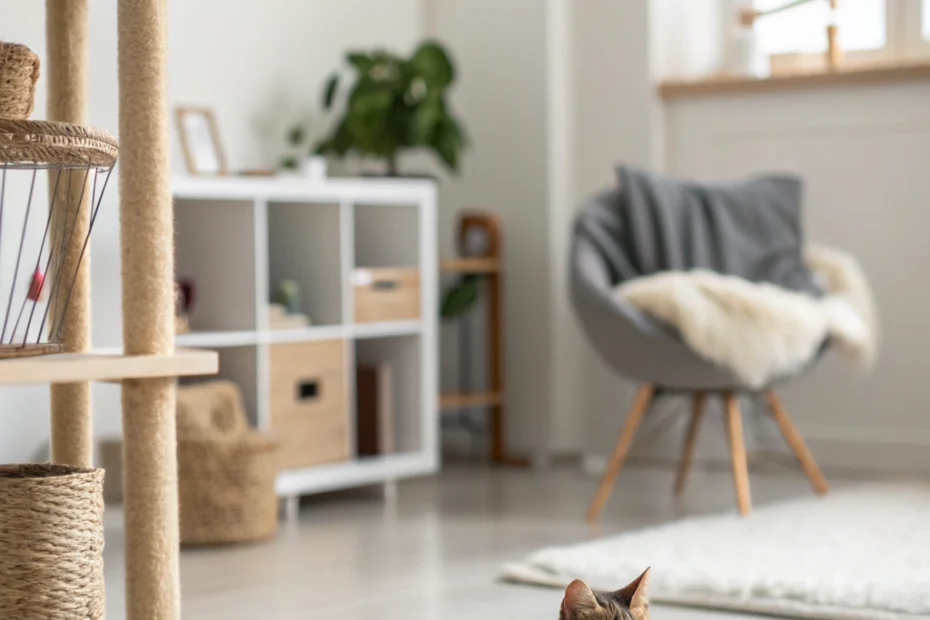
Every cat owner has faced the challenge of trying to stop their cat from scratching furniture. While this behavior is natural for cats, it can be frustrating when your beloved couch or chair becomes a victim of their claws. In this article, you’ll learn why cats scratch and discover effective strategies to redirect this behavior and protect your furniture.
Stop Cat from Scratching Furniture at a Glance: Key Facts for Cat Owners
Understanding why cats scratch is essential to addressing the issue effectively. Scratching is a natural behavior that helps cats keep their claws healthy, mark their territory, and stretch their muscles. Here are some key facts to consider:
- Cats scratch to maintain their claws and mark their territory.
- Providing appropriate alternatives can redirect scratching behavior.
- Consistency and positive reinforcement are crucial.
How to Choose
When selecting solutions to stop your cat from scratching furniture, consider your cat’s age, personality, and preferences. Here are some factors to keep in mind:
Age and Activity Level
Kittens and younger cats may require more engaging options, like interactive scratching posts or toys. Older cats might prefer softer surfaces due to joint discomfort.
Material Preferences
Observe if your cat prefers certain materials like carpet, sisal, or cardboard. Offering a variety of textures may help find a suitable alternative.
Space and Placement
Ensure the scratching post or cat furniture fits well within your living space and can be easily accessed by your cat.
Safety & Setup
Introducing new items or routines to your cat should be done with care to ensure safety and acceptance. Follow these guidelines:
- Securely anchor any new cat furniture to prevent tipping.
- Gradually introduce new items by placing them near areas your cat frequently scratches.
- Use positive reinforcement to encourage use, like treats or praise.
Core Pillars
Implementing a successful strategy to stop your cat from scratching furniture relies on several core pillars:
Consistency
Regularly redirect your cat to appropriate scratching alternatives and maintain a consistent response to unwanted scratching.
Environment
Enhance your cat’s environment with various scratching options to meet their needs, including vertical and horizontal surfaces.
Monitoring
Observe your cat’s behavior to identify triggers or preferences and adjust your approach accordingly.
Positive Reinforcement
Reward your cat for using appropriate scratching surfaces to reinforce the behavior you want to see.
Placement & Environment Tips
The placement of scratching alternatives is crucial in preventing furniture damage. Consider these tips for optimal setup:
- Place scratching posts near furniture your cat likes to scratch.
- Ensure scratching surfaces are stable and can withstand vigorous use.
- Regularly rotate or change the placement of scratching options to maintain interest.
Comparison with Alternatives
There are several methods to stop cats from scratching furniture, each with its benefits and limitations. Here are some common alternatives:
- Scratching Posts vs. Deterrent Sprays: Posts provide a positive outlet, while sprays may deter but not address the root behavior.
- Soft Claws vs. Nail Trimming: Soft Claws can protect furniture but require maintenance, whereas regular trimming keeps claws dull.
- Behavioral Training vs. Physical Barriers: Training promotes long-term behavior change, while barriers offer immediate protection.
FAQs
Why do cats scratch furniture?
Cats scratch to maintain healthy claws, mark territory, and stretch their muscles. It’s an instinctive behavior that fulfills several needs.
How can I redirect my cat’s scratching behavior?
Provide appropriate scratching alternatives and use positive reinforcement to encourage their use. Consistency is key.
Is it safe to use deterrent sprays?
Deterrent sprays can be safe if used according to the manufacturer’s instructions, but they should be part of a broader strategy that includes providing alternatives.
Are there alternatives to declawing?
Yes, alternatives like regular nail trimming, Soft Claws, and providing scratching posts can effectively manage scratching behavior.
What materials do cats prefer for scratching?
Many cats enjoy sisal, cardboard, or carpet. Offering a variety of materials can help find what your cat prefers.
What to Do Next
Addressing your cat’s scratching behavior requires patience and observation. Begin by providing suitable scratching alternatives and monitor your cat’s preferences. Consistency and positive reinforcement can significantly improve the success of your efforts. Always consider discussing behavioral challenges with your veterinarian to ensure your approach aligns with your cat’s health needs.
Disclaimer: Always consult your veterinarian for personalized advice regarding your cat’s health.