Essential Supplements to Keep Your Abyssinian Cat Active and Healthy
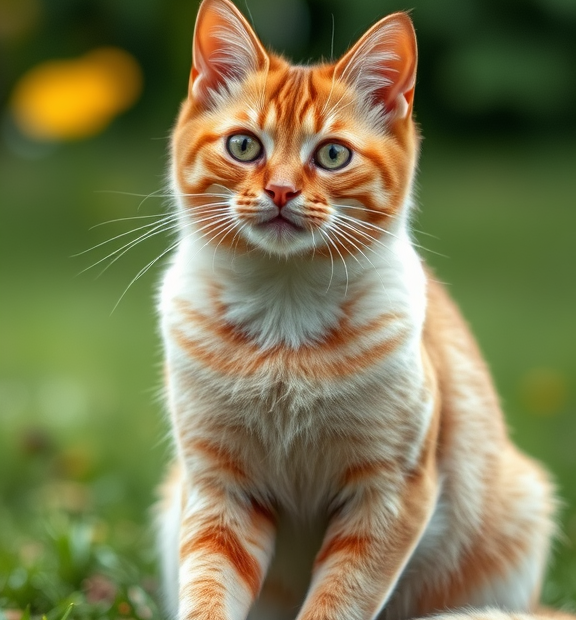
The Abyssinian cat is known for its energetic personality and athletic build. To keep your furry friend lively and thriving, it’s essential to provide not only a well-balanced diet but also specific supplements that support overall health and vitality. These supplements cater to their unique needs, helping enhance joint function, boost immune health, and maintain a shiny coat. Let’s explore the important nutrients and supplements that help keep your Abyssinian cat active and healthy.
Supporting Joint Health with Glucosamine and Chondroitin
Abyssinians are naturally agile and enjoy climbing and exploring. Their active lifestyle puts stress on their joints and cartilage, which can deteriorate over time. Glucosamine and chondroitin supplements are highly beneficial in promoting joint repair and reducing inflammation. Glucosamine helps rebuild cartilage, while chondroitin supports joint lubrication and elasticity. Including these supplements in your Abyssinian’s diet can help maintain mobility, preventing stiffness and discomfort that might limit their playful nature.
Boosting Immune System with Antioxidants
A strong immune system is crucial to prevent common feline ailments and ensure your Abyssinian remains robust. Antioxidants such as vitamin E, vitamin C, and selenium help protect cells from oxidative stress caused by free radicals. Regular supplementation of these antioxidants strengthens your cat’s immune defenses, promoting quicker recovery from minor illnesses and reducing the risk of chronic diseases.
Omega-3 Fatty Acids for Skin and Coat Health
The Abyssinian’s distinctive, glossy coat needs proper nourishment to stay healthy and vibrant. Omega-3 fatty acids, primarily found in fish oil, provide essential nutrients that maintain skin moisture and reduce inflammation. These fatty acids help combat dry, flaky skin and occasional itchiness, resulting in a soft, shiny coat. Omega-3 also supports cognitive health and heart function, making it an excellent all-around supplement for your Abyssinian.
Probiotics to Enhance Digestive Wellness
Digestive health plays a significant role in your cat’s energy levels and overall well-being. Probiotics, beneficial bacteria that live in the gut, improve digestion and nutrient absorption. Supplementing your Abyssinian’s diet with probiotics can reduce digestive upset, such as diarrhea or constipation, while supporting a balanced gut microbiome. This not only helps with regular bowel movements but also enhances immune function and nutrient utilization.
Calcium and Phosphorus for Strong Bones
Proper bone development and maintenance are essential for an active Abyssinian cat. Calcium and phosphorus work together to keep bones strong and teeth healthy. These minerals are especially important for growing kittens and older cats. Ensuring your cat receives an adequate amount of both through diet or supplements can prevent common issues like bone weakness or dental disease.
Vitamin B Complex for Energy and Metabolism
Vitamin B complex, including B1 (thiamine), B2 (riboflavin), B3 (niacin), and B12 (cobalamin), supports metabolic functions crucial for your Abyssinian’s natural energy and stamina. These vitamins help convert food into energy efficiently, maintain healthy nervous system function, and promote a glossy coat. A deficiency in B vitamins can cause lethargy and poor coat condition, so supplementation can keep your Abyssinian active and alert throughout the day.
Choosing the Right Supplements and Dosage
When selecting supplements for your Abyssinian cat, quality matters. Opt for products formulated specifically for cats, free from harmful fillers or artificial additives. It’s important to follow dosage recommendations carefully—excessive supplementation can lead to health issues. Consulting your veterinarian before introducing any new supplement ensures the chosen product fits your cat’s specific needs and health conditions.
Practical Tips for Supplement Administration
Many cats are picky eaters, so adding supplements to their routine requires some creativity:
- Mix powdered supplements into wet food to mask taste.
- Use pill pockets or treat-style supplements to make it easier to give orally.
- Incorporate fish oils in small amounts with meals to enhance palatability.
- Be consistent with timing to establish a routine that your cat gets used to.
Proper administration increases the likelihood that your Abyssinian will happily receive the benefits of these important nutrients.
Keeping your Abyssinian cat active and healthy involves more than just providing a nutritious diet. Supplements play a vital role in supporting specific health areas such as joints, immune system, skin, digestion, and bones. By incorporating well-chosen supplements into their care regimen, you’re investing in a vibrant, playful, and long-lived companion. Always observe your cat for any changes after introducing supplements and maintain regular vet checkups to adjust their health plan accordingly.
Understanding Abyssinian Cat Nutrition: Best Practices for Long-Term Vitality
Understanding Your Abyssinian Cat’s Nutritional Needs
Abyssinian cats are known for their sleek, muscular build, high energy, and playful nature. To maintain their vitality and overall health, their diet must be carefully crafted with balanced nutrition that supports their active lifestyle. You need to focus on nutrient-dense foods that provide adequate protein, essential vitamins, and minerals. Unlike many other breeds, Abyssinians are highly active and curious, so their nutritional needs align closely with supporting lean muscle mass, sharp cognitive function, and robust immune systems.
Since Abyssinians are obligate carnivores, high-quality protein forms the cornerstone of their diet. Protein supplies the amino acids necessary to maintain muscle tone and energy levels. Choosing foods rich in animal-based proteins such as chicken, turkey, fish, or lamb can sustain their energy throughout the day. Additionally, you must avoid fillers like corn, soy, and wheat, which provide little nutritional value and can cause digestive sensitivity.
Essential Nutrients to Prioritize
Paying attention to key nutrients helps your Abyssinian thrive. Here are the essentials you should look for in their food and possible supplements:
- Taurine: This amino acid is vital for heart function and vision health. Since cats cannot produce enough taurine naturally, it must come from their food.
- Omega-3 Fatty Acids: Found in fish oil, omega-3s support a healthy coat, reduce inflammation, and enhance brain function.
- Vitamins A, E, and B-complex: These vitamins promote a healthy immune system, skin, and energy metabolism.
- Calcium and Phosphorus: These minerals are critical for maintaining strong bones and teeth, especially in energetic cats.
- Antioxidants: Ingredients like blueberries or spinach provide antioxidants to help fight free radicals and support overall longevity.
Supplements to Support Activity and Longevity
While a balanced diet is vital, certain supplements can further boost the health and activity levels of your Abyssinian cat. These supplements target specific areas such as joint health, digestion, and overall vitality.
- Glucosamine and Chondroitin: Abyssinians can be prone to joint issues as they age. These supplements help maintain cartilage health and mobility.
- Probiotics: To improve digestion and nutrient absorption, probiotics introduce beneficial bacteria into their gut, aiding in overall digestive wellness.
- Fish Oil Capsules: Rich in EPA and DHA, fish oil strengthens the heart and reduces inflammatory conditions.
- Multivitamin Blends: Custom feline multivitamins ensure no nutritional gaps exist, especially if feeding a homemade or raw diet.
Feeding Tips Tailored for Abyssinians
You must also consider how you feed your Abyssinian to maximize their nutrition and enjoyment:
- Meal Frequency: Divide their daily food into smaller meals – three to four times a day – to meet their energy requirements without overwhelming their digestion.
- Hydration: Abyssinians may not naturally drink enough water. Adding wet food can significantly increase their fluid intake, supporting kidney function and overall health.
- Monitor Weight: Due to their high activity levels, maintaining a lean, healthy weight is key. Adjust portions based on their exercise and metabolism.
- Limit Treats: Keep treats healthy and minimal to avoid disrupting balanced nutrition and prevent obesity.
Recognizing Nutritional Deficiency Signs
Watching for signs of poor nutrition in your Abyssinian cat can help you intervene early. Common deficiency symptoms include dull coat, lethargy, weight loss, poor muscle tone, and digestive issues. Regular veterinary check-ups can also help identify any dietary shortcomings or health concerns affecting your cat’s vitality. If you notice such signs, consult your vet promptly about adjusting diet or adding appropriate supplements.
Finding Quality Cat Food and Supplements
Selecting premium cat food brands with high protein content and natural ingredients is essential. Check for:
- Clear ingredient lists with named meat sources as the first ingredient
- Adequate protein percentages (generally 30-40%) and low carbohydrate content
- Absence of artificial preservatives, colors, or fillers
For supplements, opt for products formulated specifically for cats. Avoid human supplements unless recommended by your veterinarian, as some ingredients safe for humans can be harmful to cats.
Customized Nutrition for a Thriving Abyssinian
Every Abyssinian cat is unique, so personalization is key in their nutrition plan. Factors such as age, activity level, medical history, and preferences influence dietary choices. Keeping a close watch on your cat’s weight, coat condition, and energy can guide necessary adjustments. Working with your vet to create a comprehensive nutrition and supplementation strategy will ensure your Abyssinian lives a long, energetic, and healthy life.
Conclusion
Keeping your Abyssinian cat active and healthy takes more than just playtime and love—it requires thoughtful attention to their nutritional needs. Essential supplements, such as omega-3 fatty acids, taurine, and antioxidants, play a key role in supporting your cat’s energy, heart health, and immune system. These nutrients help maintain the sleek coat, sharp mind, and agile body that Abyssinians are known for.
Understanding Abyssinian cat nutrition means recognizing that their diet should be rich in high-quality proteins and balanced vitamins to match their unique metabolism. Consistent supplementation supports long-term vitality by filling any nutritional gaps that regular food might miss. By providing these key elements, you’re not only boosting your cat’s daily activity levels but also helping to prevent health issues down the road.
When you focus on feeding your Abyssinian with care and attention to supplements, you give them the best chance to enjoy a vibrant, playful life. Remember that each cat is unique, so consulting your veterinarian can help tailor a supplement plan perfect for your feline friend’s specific needs. With the right mix of nutrition and support, your Abyssinian will continue to thrive and bring joy to your home for many years to come.