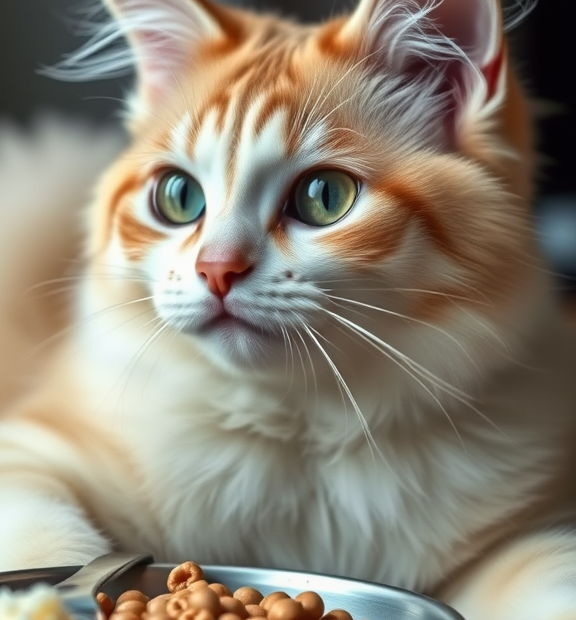
The Best Diet Choices for Your Ragdoll Cat’s Unique Nutritional Needs
When it comes to feeding your Ragdoll cat, understanding their distinct nutritional needs is key to keeping them healthy and happy. Unlike many other cat breeds, Ragdolls have unique dietary requirements due to their size, activity level, and genetic predispositions. By selecting the best diet choices tailored to their needs, you ensure they receive the balanced nutrients necessary for vibrant energy and optimal wellbeing.
Understanding the Nutritional Profile of Ragdoll Cats
Ragdolls are medium-to-large cats known for their gentle temperament and striking appearance. Given their relatively large size compared to other breeds, they require a diet rich in high-quality protein to support muscle development and maintenance. Proteins sourced from animal ingredients like chicken, turkey, or fish provide essential amino acids vital for their overall health.
Fat content is equally important. Healthy fats contribute to their luscious coat and skin health, support brain function, and provide concentrated energy. Essential fatty acids such as omega-3 and omega-6 play a vital role, which you can find in fish oils and certain plant oils. Moreover, moderate fat levels help prevent obesity, a common issue in indoor Ragdolls.
Selecting the Right Food Type for Your Ragdoll
Ragdolls can thrive on various types of cat food. Understanding the options will help you make an informed choice:
- Wet food: Offers higher moisture content, which benefits hydration and kidney health, especially important if your cat doesn’t drink much water.
- Dry food: Convenient and can assist in dental health by reducing tartar buildup, but ensure it’s balanced with adequate water intake.
- Raw food diets: Mimics natural prey diets and can be very nutritious when prepared correctly, though consultation with a vet is crucial to avoid imbalances or contamination risks.
Many Ragdoll owners find that a combination of wet and dry food provides the best balance, ensuring both hydration and dental benefits.
Essential Nutrients for Ragdolls’ Unique Health Needs
To craft the best diet plan, focus on nutrient components essential for Ragdolls:
- Protein: Minimum of 30-40% protein content, emphasizing real meat or fish sources.
- Taurine: An essential amino acid critical for heart health and vision, naturally found in animal tissues.
- Fatty acids: Omega-3 and omega-6 fatty acids promote coat shine and reduce inflammation.
- Vitamins and minerals: Balanced vitamins such as A, D, and E, along with minerals like calcium and phosphorus, support growth, immune function, and bone strength.
- Fiber: Supports a healthy digestive tract but should not be excessive as Ragdolls have sensitive stomachs.
Monitoring Caloric Intake and Weight Management
Due to their laid-back nature, Ragdolls may be prone to gaining weight if overfed or given excessive treats. Obesity can lead to joint problems, diabetes, and other health issues. To prevent this, measure daily food portions according to your cat’s weight, age, and activity. Generally, adult Ragdolls require around 200-300 calories a day, but individual needs vary.
Pay attention to your cat’s body condition score and adjust meals accordingly. Feeding multiple small meals can help regulate metabolism and avoid overeating.
Foods to Avoid for Your Ragdoll
Certain foods are harmful or unnecessary for Ragdolls and should be strictly avoided:
- Onions and garlic: Toxic to cats and can damage their red blood cells.
- Chocolate and caffeine: Contain compounds dangerous to feline health.
- Raw dough or yeast: Can expand in the stomach causing discomfort or illness.
- Excessive dairy products: Many cats are lactose intolerant which leads to digestive upset.
Considering Allergies and Sensitivities
Some Ragdolls may display food allergies or sensitivities, manifesting as skin irritation, digestive troubles, or excessive shedding. If your cat exhibits these symptoms, consider switching to a limited-ingredient diet or hypoallergenic cat food formula. Consulting with a veterinarian or pet nutrition expert will help identify the culprit and introduce a diet that mitigates reactions while maintaining balanced nutrition.
Hydration: More Than Just Food
Proper hydration complements a nutritious diet. Ragdolls might not always drink enough water, especially if fed mainly dry food. Offering wet food increases moisture intake and providing fresh water bowls in multiple locations encourages better drinking habits. Some owners also use water fountains to entice their cats to drink more.
Final Tips to Keep Your Ragdoll Healthy Through Diet
Consistent high-quality nutrition tailored to your Ragdoll’s unique needs will extend their lifespan and enhance quality of life. Regularly reviewing their diet, adjusting portions as they age, and observing their physical condition can prevent common health issues. Remember, choices you make in your cat’s diet play a vital role in maintaining their gentle charm and muscular form.
Always involve your vet when switching foods or if you notice any changes in appetite, weight, or behavior. Together, you can create the perfect diet plan specifically designed for your wonderful Ragdoll companion.
Common Dietary Mistakes to Avoid When Feeding Your Ragdoll Cat
Feeding your Ragdoll cat might seem straightforward, but many cat owners unknowingly make dietary mistakes that can affect their feline’s health and happiness. Ragdolls have unique nutritional needs, and understanding these needs will help you provide the best diet possible. Avoiding common errors ensures your Ragdoll stays healthy, maintains an ideal weight, and enjoys a good quality of life.
Providing an Inappropriate Balance of Nutrients
A frequent mistake is not offering the right balance of protein, fats, and carbohydrates. Ragdolls, like most cats, are obligate carnivores. This means they require animal-based proteins for optimal health. Diets heavy in carbohydrates or plant-based ingredients can lead to nutritional imbalances.
Ensure the food you choose has high-quality meat as the main ingredient. Look for labels listing chicken, turkey, or fish first. Avoid foods with excessive fillers like corn, wheat, or soy, which provide little nutritional value for cats.
Ignoring the Importance of Moisture in Diet
Ragdolls often don’t drink enough water on their own, which can lead to urinary tract issues or kidney problems over time. Feeding exclusively dry kibble can exacerbate this problem.
Wet or canned food into your Ragdoll’s diet can significantly improve hydration. Wet food contains a higher moisture content, helping your cat meet daily water intake requirements naturally. If you primarily feed dry food, consider adding water or broth to it to increase moisture.
Offering Too Many Treats or Human Food
While it’s tempting to spoil your furry friend, giving your Ragdoll too many treats or scraps from your meal can disrupt their nutritional balance and cause weight gain. Treats should make up no more than 5-10% of your cat’s daily calorie intake.
Human foods like onions, garlic, chocolate, and dairy can be toxic or cause digestive upset. Stick to vet-approved treats and avoid feeding your Ragdoll table scraps to keep their diet safe and healthy.
Skipping Tailored Diets for Health Conditions
Some Ragdolls may develop health issues such as obesity, diabetes, or kidney disease that require specialized diets. Failing to adjust your cat’s diet in these cases can worsen their condition.
If your Ragdoll has been diagnosed with any health issues, work closely with your veterinarian to develop an appropriate feeding plan. Specialized prescription diets can provide targeted nutrition that supports your cat’s well-being.
Feeding Without Attention to Portion Control
Overfeeding is a common problem that contributes to obesity in Ragdolls. Their gentle and calm nature makes them less active than some other breeds, so they don’t burn calories as quickly.
Measure your cat’s food daily and follow feeding guidelines provided by the food manufacturer or your vet. Avoid free-feeding (leaving food out all day), which often leads to overeating. Instead, serve measured meals at regular intervals to help your Ragdoll maintain an ideal weight.
Neglecting to Transition Foods Gradually
Switching your cat’s food abruptly can cause digestive upset, vomiting, or diarrhea. This is especially true if transitioning from a diet with different nutrient ratios or ingredient profiles.
Introduce new foods gradually over 7-10 days by mixing increasing amounts of the new food with the current diet. This careful transition helps your Ragdoll’s digestive system adjust comfortably.
Assuming All Commercial Diets Are Created Equal
Not all cat foods meet the nutritional needs of Ragdolls. Some brands use low-quality ingredients or lack essential nutrients like taurine, an amino acid critical for heart and eye health.
Always select cat food brands that meet AAFCO (Association of American Feed Control Officials) standards for complete and balanced nutrition. Opt for reputable, high-quality products designed specifically for cats, and avoid generic or ambiguous formulas.
Neglecting Regular Nutritional Reviews
Your Ragdoll’s nutritional needs can change with age, activity level, and health status. A diet perfect for a young adult may not suit a senior cat.
Schedule regular veterinary checkups where your vet can assess your cat’s health and weight. Use these visits to discuss your Ragdoll’s diet and make adjustments as needed. This ongoing attention helps prevent nutritional deficiencies or excesses.
Summary of Tips to Avoid Common Dietary Mistakes
- Choose high-protein foods with meat as the main ingredient.
- Incorporate wet food to boost moisture intake.
- Limit treats and avoid harmful human foods.
- Adjust diet based on any health conditions with veterinary advice.
- Use portion control and avoid free feeding.
- Transition foods gradually to prevent digestive issues.
- Select reputable brands that meet nutritional standards.
- Consult your vet regularly to review and update your cat’s diet.
By steering clear of these common mistakes, you can support your Ragdoll cat’s unique nutritional needs and contribute to a long, healthy life for your beloved companion. Thoughtful food choices and attentive feeding habits are key to keeping your Ragdoll vibrant, energetic, and comfortable every day.
Conclusion
Feeding your Ragdoll cat the right diet is key to supporting its unique health and happiness. By choosing high-quality foods rich in protein and essential nutrients, you provide the foundation for strong muscles, a shiny coat, and overall vitality. Remember that these gentle giants have specific nutritional needs that differ from other cats, so focusing on balanced meals designed for their breed can make a big difference. Avoid common mistakes like overfeeding, offering too many treats, or relying heavily on dry food, which can affect your cat’s wellbeing over time.
Paying close attention to ingredient quality, portion sizes, and meal variety will help you create a diet that truly nourishes your Ragdoll. Keep fresh water available at all times and consider incorporating wet food options to enhance hydration and digestion. By understanding and respecting the unique dietary requirements of your furry friend, you not only promote a longer, healthier life but also strengthen the special bond you share. With thoughtful food choices and mindful habits, you can ensure your Ragdoll thrives every day, enjoying the best nutrition tailored just for them.