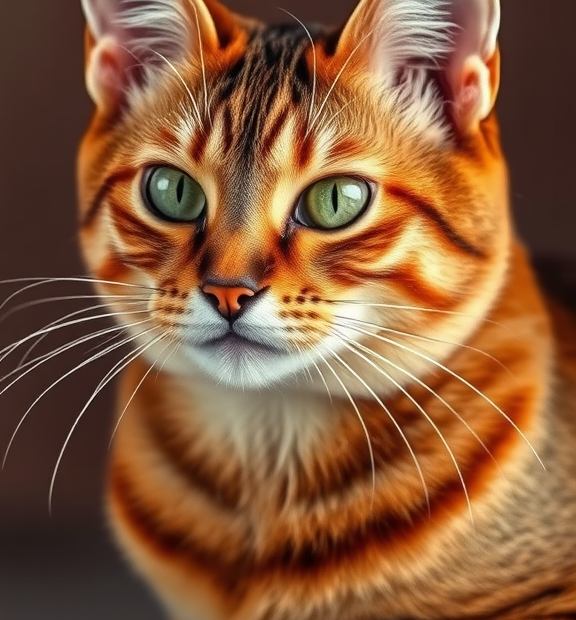
The Best Diet for Abyssinian Cats: Prioritizing High-Protein Foods and Proper Hydration
Abyssinian cats are known for their lively personalities, athletic builds, and striking coats. To keep your Abyssinian in peak condition, what you feed them matters just as much as the love and playtime you give. A diet rich in high-protein foods and proper hydration plays a vital role in maintaining their energy, muscle tone, and overall health. Understanding the nutritional needs of these agile, active felines can help you choose the best diet to support their well-being throughout every stage of life.
Why High Protein Is Essential for Abyssinians
Being a naturally active and muscular breed, Abyssinians require a diet that fuels their high energy levels. Protein is the foundation of their nutritional needs because it supplies the amino acids necessary for building and repairing muscle tissue. Unlike some omnivorous or herbivorous animals, cats are obligate carnivores, meaning they thrive on nutrients found primarily in animal flesh.
High-quality proteins sourced from meats like chicken, turkey, fish, or beef provide the essential amino acids Abyssinians need, such as taurine, arginine, and methionine. These are vital for maintaining their heart health, eyesight, and immune function. A diet that falls short in protein can lead to muscle wasting, lethargy, and even long-term organ issues. When choosing commercial cat food, look for formulas that list real meat as the first ingredient and that guarantee a protein content of at least 30-40% for optimal nourishment.
The Role of Fats and Carbohydrates
Alongside protein, fats serve as a concentrated energy source for Abyssinians, helping to keep their energetic bodies running smoothly. Healthy fats such as omega-3 and omega-6 fatty acids support skin and coat health, reduce inflammation, and contribute to brain function. Including fish oil or flaxseed oil as part of their diet can provide these beneficial nutrients.
On the other hand, carbohydrates should be limited, as cats have a limited ability to digest complex carbs. Too many grains or fillers may contribute to weight gain and digestive problems. Focus on high-protein, low-carbohydrate diets that mimic their natural prey to keep your Abyssinian lean and fit.
Hydration Strategies to Support Health
Proper hydration is often overlooked but is equally crucial for Abyssinian cats. In the wild, cats get much of their water from the prey they consume, which is why canned food or raw diets with high moisture content can be beneficial. Dehydration can lead to urinary tract issues and kidney diseases, problems that Abyssinians can be prone to if water intake is insufficient.
To ensure your cat stays well hydrated, consider these practical steps:
- Provide fresh water daily. Change water dishes regularly to avoid stale water.
- Use water fountains. Many cats prefer running water, which encourages them to drink more frequently.
- Include wet food in their diet. Wet or canned foods have a much higher moisture content compared to dry kibble.
- Add water or broth. For cats on dry food diets, try adding a little water or cat-safe broth to moisten their meals.
Recommended Diet Types for Abyssinian Cats
When considering what diet to provide, here are some popular feeding options that prioritize high protein and hydration:
High-Quality Commercial Wet Food
Wet food formulas are excellent because they naturally contain more water and meet the protein needs of Abyssinians. Look for brands with limited fillers, grain-free ingredients, and rich in animal proteins. This choice aids hydration and reduces the risk of urinary tract diseases.
Raw or Homemade Diets
Some Abyssinian owners opt for raw food diets which consist of fresh meats, organs, and bones. This mimics the natural prey-based diet of cats and offers high protein content with excellent moisture levels. However, these diets should be carefully balanced and prepared under veterinary guidance to prevent nutritional deficiencies and pathogens.
Dry Food With Supplemented Hydration
If you prefer feeding kibble, select premium dry foods with high protein percentages and minimal fillers. Since dry kibble lacks moisture, it is essential to ensure your Abyssinian drinks plenty of water or supplement their diet with wet food to maintain proper hydration.
Feeding Tips to Maximize Benefits
- Feed small, frequent meals. Abyssinians digest food efficiently and may benefit from multiple smaller portions throughout the day to keep their energy stable.
- Monitor your cat’s weight. Maintain ideal body condition by adjusting portion sizes and food types as needed.
- Include occasional protein treats. Offer lean protein treats for enrichment without overfeeding.
- Avoid toxic foods. Never feed onions, garlic, chocolate, or artificial sweeteners, as these can be harmful to cats.
Ultimately, the best diet for Abyssinian cats emphasizes a balance of high-quality protein and hydration. Meeting these needs supports their active lifestyle, promotes shiny coats, and helps prevent common feline health issues. By thoughtfully planning your cat’s meals and water intake, you give your Abyssinian the foundation to thrive and enjoy a long, healthy life.
Essential Tips for Maintaining Your Abyssinian Cat’s Hydration and Nutritional Balance
Understanding the Unique Nutritional Needs of Abyssinian Cats
Abyssinian cats are known for their energetic and active nature. To support their lifestyle, it’s crucial to provide a diet rich in high-quality protein. Unlike some other breeds, Abyssinians thrive on nutrient-dense foods that fuel their muscular build and maintain their agile physique. You might wonder why protein matters so much—proteins supply essential amino acids that help build and repair tissues, keep skin and fur healthy, and support immune function. Their metabolism is fast, so they need a sustainable source of energy that quality protein can offer.
When planning your Abyssinian’s meals, focus on animal-based proteins such as chicken, turkey, fish, or beef. These options are closest to what cats would naturally consume in the wild, providing not just protein but also vital nutrients like taurine, which is essential for heart health and vision. Avoid relying heavily on plant-based proteins, as cats have limited ability to digest them and extract necessary nutrients.
Keeping Your Abyssinian Blessed with Proper Hydration
Water intake is just as important as the food you serve your Abyssinian. This breed has a slender, lean body, which can make them more sensitive to dehydration compared to some other cats. Hydration helps maintain kidney function, regulates body temperature, and aids digestion. Cats naturally have a low thirst drive because, in the wild, they get most of their water from their prey. Domestic Abyssinians, especially those primarily fed dry kibble, may not drink enough water on their own.
To boost hydration, consider mixing wet food into their diet. Wet cat food contains up to 80% water, making it an excellent way to increase fluid intake. If your cat resists wet food, try offering water in multiple bowls around the house or investing in a cat water fountain, which many felines find appealing due to the running water.
Practical Strategies to Ensure Adequate Hydration
- Offer wet food regularly: Incorporate canned or pouched cat food that emphasizes high moisture content.
- Keep fresh water accessible: Place water bowls in quiet, clean locations and clean them daily.
- Use a pet water fountain: Flowing water encourages cats to drink more.
- Add water to dry kibble: Soften dry food by adding a splash of water to improve hydration.
- Encourage play and movement: Active cats tend to drink more; engaging your Abyssinian regularly can stimulate thirst.
Balancing Nutrients for Optimal Health and Longevity
Abyssinians also benefit from diets balanced with the right mixture of fats and carbohydrates. High-quality fats provide long-lasting energy and help keep their skin shiny and coat smooth. Omega-3 and omega-6 fatty acids, found in fish oils and flaxseed, are particularly valuable. Carbohydrates should be limited, as they offer little benefit for obligate carnivores like cats. Too many carbs can lead to weight gain and digestive upset.
In addition to macronutrients, look for supplements and vitamins tailored for cats. For example, adding a source of antioxidants such as vitamin E helps fight oxidative stress, while B vitamins support energy metabolism. Proper calcium and phosphorus ratios are vital to maintain strong bones and teeth. Commercially prepared cat foods often include these elements, but if you prepare your cat’s meals at home, consult your vet to ensure the diet is complete.
Signs of Dehydration and Nutritional Imbalance to Watch For
Keeping an eye on your Abyssinian’s health is important to catch potential hydration or nutrition issues early. Here are some warning signs that indicate your cat may need a dietary adjustment or veterinary attention:
- Lethargy or decreased activity
- Dry, sticky gums
- Sunken eyes or dull coat
- Loss of appetite or sudden weight changes
- Frequent vomiting or diarrhea
- Excessive thirst or, conversely, very little drinking
If you notice any of these symptoms, increasing water intake and reviewing the protein content of their diet are good first steps. A veterinarian will be able to perform tests to rule out underlying health problems such as kidney disease, which are common in cats with poor hydration.
Choosing the Right Food for Your Abyssinian
When selecting food, prioritize options labeled as “complete and balanced” to ensure your cat’s dietary requirements are fully met. Avoid foods with excessive fillers like corn or soy, which contribute little nutritional value and may cause allergies. Grain-free formulas can be beneficial, but it’s important to ensure that protein and fat content remain high to satisfy your Abyssinian’s needs.
Rotation between wet and dry food can provide variety and maintain both hydration and nutrition without extra effort. Always introduce new foods gradually to avoid digestive upset, and stay consistent with feeding schedules to support your Abyssinian’s metabolism.
Empowering Your Abyssinian’s Wellness with Diet and Hydration
By focusing on a high-protein diet and smart hydration strategies, you give your Abyssinian the strongest foundation for health and vitality. Remember, these cats thrive on a natural, nutrient-rich diet combined with ample water, so prioritizing these elements helps prevent common illnesses while promoting a vibrant, playful, and happy feline companion.
Conclusion
Feeding your Abyssinian cat a high-protein diet while ensuring they stay well-hydrated is key to supporting their energetic lifestyle and overall health. These cats thrive on protein-rich foods that mimic their natural dietary needs, helping maintain lean muscle, sharp senses, and vibrant energy levels. Alongside protein, proper hydration cannot be overlooked. Abyssinians often prefer drinking from running water sources, so providing fresh water daily or investing in a cat water fountain can encourage better hydration habits.
Balancing their nutrition means choosing high-quality cat foods that focus on animal proteins and have limited fillers like grains or artificial additives. Including wet food in their diet not only adds moisture but also makes mealtime more enticing and nutritious. Monitoring your cat’s water intake and watching for signs of dehydration or nutritional imbalance will help you adjust their diet as needed.
By focusing on these two core principles—high-protein intake and proper hydration—you can give your Abyssinian cat the best nutrition possible. This tailored approach supports their unique physiology and keeps them lively and healthy for years to come. Remember, every cat is an individual, so consulting your veterinarian will further refine your cat’s diet and hydration plan, ensuring their specific needs are met every step of the way.