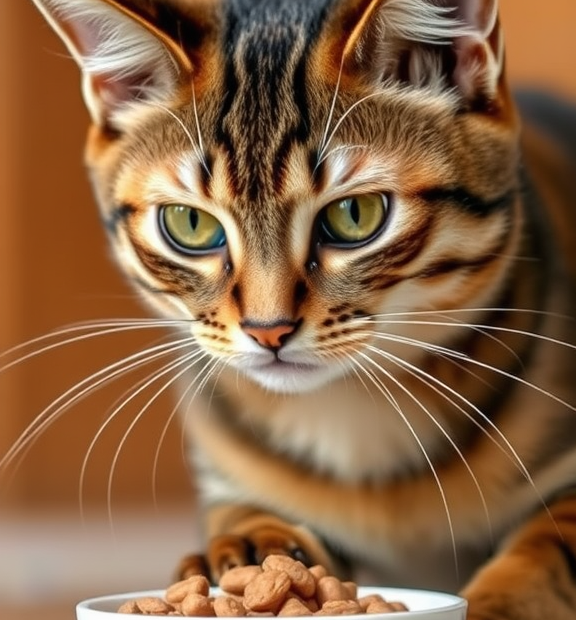
Crafting the Best Feeding Routine for Active Abyssinian Cats: Key Nutritional Needs and Timing
Understanding the Unique Nutritional Requirements of Abyssinian Cats
Abyssinian cats are known for their playful energy and agility. Their active lifestyle demands a specialized feeding routine that supports their high metabolism and muscular build. Unlike less active breeds, Abyssinians require diets that provide a balanced mix of proteins, fats, and essential nutrients.
Protein is especially critical for Abyssinians. It helps build and maintain lean muscle mass, fueling their constant movement and curiosity. High-quality animal-based proteins such as chicken, turkey, or fish should be a cornerstone of their diet. Additionally, fats supply necessary energy and aid in maintaining their glossy coat and healthy skin.
Carbohydrates, while less important, should not be ignored. Complex carbs like sweet potatoes or brown rice in moderation can provide sustained energy without spiking blood sugar levels. Fiber supports digestion, which is essential in keeping these cats feeling light and agile.
Crafting an Ideal Feeding Schedule
Active Abyssinians benefit from a feeding routine that aligns with their natural bursts of energy throughout the day. Feeding too much at once might lead to lethargy, while feeding too little can cause low energy and irritability. Splitting daily food intake into multiple smaller meals helps maintain stable energy levels.
Here’s an example of a well-balanced feeding schedule:
- Morning: A protein-rich meal post-period of fasting overnight to jumpstart metabolism.
- Midday: A light snack or smaller meal to sustain energy.
- Evening: The largest portion of the day, supplying nutrients to support nighttime activity.
This timing mirrors the natural hunting patterns cats would have—starting early in the day, followed by intermittent smaller meals, then more activity before rest.
Optimizing Meal Portions for Weight and Energy Management
Active Abyssinians are prone to both weight gain if overfed and nutritional deficiencies if underfed. Monitoring portion sizes relative to your cat’s weight, activity, and age is crucial.
Veterinarians recommend feeding approximately 20 to 30 calories per pound of body weight daily for active cats. For example, a 6-pound Abyssinian might require around 120 to 180 calories a day, divided into the multiple meal periods described above. However, these numbers should be adjusted based on your cat’s unique energy requirements and metabolism.
Using a measuring scoop or digital scale ensures you’re delivering accurate portions. Avoid free-feeding since it can lead to overeating if your Abyssinian isn’t monitored carefully.
Choosing the Right Food Types to Support Vitality
Selecting food that meets your Abyssinian’s nutritional needs requires attention to ingredient quality and ingredient sources. Wet canned foods often provide better hydration and can be more appealing for cats, while dry kibble offers dental benefits and convenience.
Look for foods labeled “complete and balanced,” which guarantees all essential nutrients are present. Foods rich in taurine, an amino acid vital for heart and eye health, should be prioritized. Additionally, omega-3 and omega-6 fatty acids help maintain healthy skin and a vibrant coat.
If you prefer homemade diets, work closely with a feline nutritionist to ensure all micronutrients are included and the diet supports your cat’s activity level.
Hydration: A Key Component Often Overlooked
Active cats like Abyssinians require consistent access to fresh water. Hydration supports metabolism and joint health, especially important for energetic breeds. Interestingly, cats naturally have a low thirst drive, so integrating wet food into their feeding routine can boost water intake.
Consider placing multiple water bowls around your home or investing in pet water fountains that encourage drinking by flowing water’s appeal. Monitoring water intake can also alert you to health issues early if consumption drops.
Treats Wisely
Treats can be useful in training or as a way to bond, but they should not disrupt your Abyssinian’s balanced nutrient intake. Focus on healthy, protein-rich treats and limit treats to no more than 10% of the daily caloric intake. Using treats as part of playtime or after exercise can positively reinforce activity and maintain their weight.
Signs Your Feeding Routine Might Need Adjustment
It’s important to observe your Abyssinian’s reactions to their feeding routine. Watch out for signs such as:
- Sudden weight loss or gain
- Changes in coat quality or skin health
- Low energy or lethargy
- Excessive hunger or refusal to eat
If any of these symptoms occur, evaluate your feeding plan or consult your veterinarian to tailor the diet more precisely to your cat’s needs.
Final Recommendations for Long-Term Success
Consistency in feeding times, quality nutrition, and portion control form the foundation of a successful feeding routine for your active Abyssinian. Prioritize fresh foods rich in animal protein, monitor weight closely, and balance hydration alongside meals.
By investing time in crafting a thoughtful feeding plan that respects their high energy and metabolic demands, you help your Abyssinian thrive with vitality and happiness.
Common Feeding Mistakes to Avoid with Abyssinian Cats for Optimal Health and Energy
Understanding the Dietary Needs of Abyssinian Cats
Abyssinian cats are known for their high energy levels and lean, muscular bodies. Unlike many other breeds, their metabolism tends to run fast, which means they require a feeding routine that supports their active lifestyle. One of the biggest feeding mistakes cat owners make is underestimating the amount and quality of nutrition these cats need. Providing the proper balance of proteins, fats, and carbohydrates can significantly impact your Abyssinian’s health, vitality, and longevity.
These cats thrive on diets rich in animal-based proteins because their ancestors were skilled hunters. Protein fuels their muscle development and energy supply, while fats provide a concentrated energy source essential for their constant playfulness and agility. Avoiding common feeding pitfalls will help your Abyssinian maintain optimal health, shiny coats, and bright eyes.
Why Free-Feeding Can Be Harmful
Free-feeding, or leaving food out all day, is a popular feeding method with some cat owners, but it is not ideal for Abyssinians. Because these cats are naturally active, they may overeat when food is freely available, leading to obesity despite their energetic habits. Alternatively, some individuals might eat less and lose essential nutrients.
Setting specific meal times helps regulate blood sugar levels and builds a healthy feeding routine. Scheduled feeding also encourages a stronger bond between you and your cat, turning mealtime into quality interaction. Avoiding free-feeding can prevent digestive disturbances and help maintain an ideal body weight.
Ignoring the Importance of High-Quality Protein
A frequent mistake in feeding Abyssinians is providing low-quality cat food that lacks enough animal protein. Many commercial foods contain fillers such as corn, wheat, or soy that do not meet the protein demands of active Abyssinians. This can cause energy dips, dull coats, and muscle loss over time.
Choose premium cat food brands that list real meat like chicken, turkey, or fish as the first ingredient. Wet food options are often more natural and contain fewer carbohydrates, which suit the Abyssinian’s anatomy better than dry kibble loaded with grains. Supplementing with high-protein treats or occasional cooked meats can also enhance their diet.
Feeding Too Many Treats or Human Food
Treats can be a great way to reward or bond with your cat, but overdoing them is a common feeding mistake. Treats often have extra calories and fewer nutrients, which can imbalance their carefully planned diet. Additionally, feeding human food like dairy, onions, chocolate, or processed snacks can be toxic or cause digestive upset.
Keep treats limited to no more than 5-10% of your cat’s daily caloric intake. Stick to cat-specific treats designed to support health. Always research or consult your veterinarian before offering any human food to ensure safety.
Skipping Regular Hydration Monitoring
Active Abyssinian cats require plenty of hydration to support their fast metabolism and kidney functions. A mistake many owners make is not ensuring their cats drink enough water throughout the day, especially if they are mostly fed dry food.
Wet food diets naturally add moisture, which helps prevent urinary tract problems—a common issue in cats. If your Abyssinian eats mostly kibble, make sure fresh water is always available and encourage drinking by placing bowls in sunny or interesting spots. Some cats prefer drinking from fountains because the movement of water attracts them.
Failing to Adjust Portions as Cats Age or Activity Changes
Abyssinian cats’ dietary needs and energy levels can change with age, health conditions, or lifestyle shifts. One typical error is feeding the same portion size or type of food throughout their entire life. Overfeeding an older, less active Abyssinian can lead to weight gain, while underfeeding a young, highly active kitten can stunt development.
Regularly evaluate your cat’s weight, muscle tone, and overall behavior. Adjust portions to maintain an ideal body condition score. Consulting with a veterinarian can help tailor feeding amounts based on life stage and activity level, ensuring your Abyssinian stays healthy and energetic.
Neglecting to Incorporate Variety and Enrichment
Another less obvious but impactful feeding mistake is offering the same food and experience every day. Abyssinians are curious and intelligent, so feeding time can become boring if it’s always identical. Boredom may lead to picky eating or reduced appetite.
Try rotating different high-quality protein sources or varying the texture between wet and dry food. Use puzzle feeders or interactive toys that challenge your cat to “hunt” for their meals. This improves mental stimulation, slows down eating, and can help prevent overeating.
Key Takeaways for Feeding an Active Abyssinian Cat
- Provide high-quality protein-rich food tailored for active, lean muscle maintenance.
- Avoid free-feeding; instead, schedule multiple small meals throughout the day.
- Limit treats and never feed harmful human foods.
- Ensure proper hydration by offering wet food and fresh water at all times.
- Adjust food portions based on age, activity, and health changes.
- Introduce variety and enrichment in feeding routines to support mental engagement.
By avoiding these common feeding mistakes, you empower your Abyssinian cat to enjoy robust health, sustained energy, and a joyful, playful life. Your thoughtful approach to their feeding routine makes all the difference in nurturing their unique, vibrant personality.
Conclusion
Creating the best feeding routine for your active Abyssinian cat is essential to support its energetic lifestyle and maintain optimal health. By focusing on key nutritional needs—such as providing high-quality protein, balanced fats, and essential vitamins—you ensure your cat receives the fuel it requires for daily activity and muscle maintenance. Timing meals appropriately throughout the day also helps keep your Abyssinian energized without overeating or causing digestive issues.
Avoiding common feeding mistakes is just as important. Overfeeding or relying too heavily on low-quality foods can lead to unwanted weight gain and decreased activity levels. Skipping regular meal times or neglecting portion control may disrupt your cat’s natural energy balance and affect its overall wellbeing. Sticking to a consistent feeding schedule with properly portioned, nutrient-rich meals will help prevent these problems and keep your Abyssinian feeling lively and healthy.
With the right approach to feeding, you not only meet your Abyssinian cat’s dietary needs but also promote a happy and active life. Remember, every cat is unique, so observe how your Abyssinian responds to its feeding routine and adjust as necessary. By giving your cat the proper nutrition and avoiding common pitfalls, you’re setting it up for long-term vitality and happiness. Your attentive care makes all the difference in nurturing an Abyssinian that thrives every day.