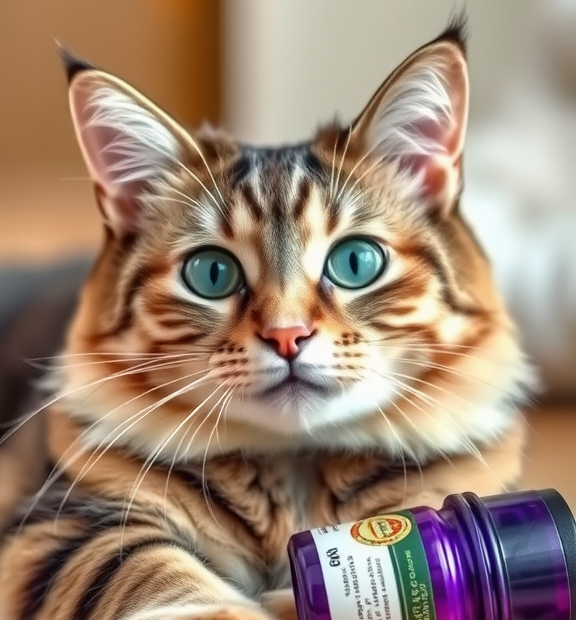
The Best Supplements for Your Floppy, Docile Cat’s Health: Essential Nutrients to Boost Vitality
If your cat seems unusually floppy or docile, it might be a sign that their health and vitality need a gentle boost. While every feline has its own personality, a lack of energy and overall sluggishness can indicate underlying nutritional deficiencies. Providing the right supplements can play a major role in improving your beloved cat’s wellbeing, helping them feel more alert and lively. Here, we explore some of the best supplements tailored for cats who seem less energetic, focusing on essential nutrients that support their health in natural, effective ways.
Why Your Cat Might Need Supplements
Cats are natural hunters with bursts of energy, so when your feline companion stays limp and calm for long periods, it’s worth paying attention. Several factors might cause this docility, including aging, poor diet, stress, or certain health conditions. Sometimes, commercial cat food alone doesn’t supply all the vitamins, minerals, or fatty acids necessary to maintain optimal health. Supplements can help fill this gap and provide support that promotes vitality, muscle tone, and cognitive function.
Key Supplements That Can Revitalize Your Floppy Cat
Considering supplements for your cat? It’s important to select those that target specific health needs related to energy, immune system strength, and joint support. Here are some essential supplements to consider:
- Omega-3 Fatty Acids: Essential for reducing inflammation, improving skin and coat health, and supporting brain function. Omega-3s like EPA and DHA are commonly found in fish oil, which can help a cat regain energy and reduce joint stiffness.
- Taurine: Cats require taurine, an amino acid critical for heart health, vision, and overall muscle function. A taurine deficiency can make your cat lethargic or weak, so supplementation is often vital when their diet is low.
- Probiotics: These good bacteria support a healthy gut, which is crucial for nutrient absorption and immune defense. A healthy digestive system ensures your cat gets the most nutrients from their food, potentially lifting their energy levels.
- B-Complex Vitamins: B vitamins, including B12 and niacin, contribute to energy production on a cellular level. If your cat is lacking these, they may appear more tired or docile than usual.
- Glucosamine and Chondroitin: These supplements support joint health and mobility, especially important if your cat’s floppy behavior is related to arthritis or lack of flexibility.
- L-Carnitine: An amino acid that helps convert fat into energy. Supplementing with L-carnitine can boost your cat’s stamina and motivation for play and movement.
Choosing the Right Supplement Form
Supplements come in various forms, including powders, liquids, soft chews, and capsules. For floppy, docile cats who might be less interested in treats or pills, liquid supplements mixed into their food can be a convenient option. Always ensure that supplements are designed specifically for cats, as human supplements can contain harmful ingredients. When in doubt, consult your veterinarian to determine the safest and most effective form.
How to Introduce Supplements to Your Cat’s Routine
Introducing supplements to your cat’s diet should be done gradually to avoid digestive upset. Start with small amounts and observe any changes in energy levels or behavior. Some cats might need time to adjust to new tastes or textures.
You can try mixing powder or liquid supplements into wet food, which usually masks any strong flavors and encourages your cat to eat them without fuss. Remember, consistency is key to seeing real improvements in vitality.
Supporting a Balanced Diet With Natural Foods
While supplements assist in topping up nutrient deficiencies, they shouldn’t replace a balanced and species-appropriate diet. High-quality cat food rich in protein and free from fillers supports muscle development and energy. Occasionally offering natural treats like cooked fish or scrambled eggs can provide extra protein and nutrients.
Hydration is also crucial. Cats need plenty of fresh water to support their metabolism, so ensure your cat has constant access to clean water or try incorporating wet food to keep hydration levels high.
Monitoring Your Cat’s Progress
When starting supplements, keep a journal of your cat’s energy levels, appetite, and overall mood. You might notice more playful moments, brightened eyes, and less frequent napping as they respond to the added nutrients. If your cat’s floppy behavior persists or worsens, it’s important to consult a veterinarian to rule out medical causes.
Remember that each cat is unique, and their needs may change over time. Supplements are a helpful tool in enhancing health, but regular vet check-ups and attentive care remain the foundation of your cat’s wellbeing.
By carefully selecting and administering the best supplements, you can help your floppy, docile cat regain their vitality, turning their sluggish days into lively, happy ones. A little nutritional support goes a long way in nurturing a joyful and healthy feline companion.
How to Identify and Address Common Health Issues in Floppy, Docile Cats Through Proper Supplementation
Recognizing Health Challenges in Floppy, Docile Cats
Floppy, docile cats often capture our hearts with their relaxed demeanor and affectionate nature. However, this calmness can sometimes mask underlying health concerns that need your attention. Identifying common issues early on is crucial to maintaining their well-being. These cats may appear lethargic or less playful than usual, which could indicate problems like joint pain, muscle weakness, or even nutritional deficiencies.
Some symptoms to watch for include decreased stamina, reluctance to jump or climb, and changes in posture such as frequent flopping or sprawling in abnormal ways. Skin and coat condition can also offer clues; a dull coat or excessive shedding may signal nutritional gaps. If your cat seems less responsive or sleeps more than usual, it’s important to consider supplementation alongside veterinary advice to strengthen their health.
Key Nutritional Supplements to Support Your Cat’s Health
Proper supplementation can make a noticeable difference in the vitality of floppy, docile cats. Below are essential supplements tailored to support their unique needs:
- Omega-3 Fatty Acids: These support joint flexibility, reduce inflammation, and promote a shiny, healthy coat.
- Glucosamine and Chondroitin: Vital for maintaining healthy cartilage and cushioning joints, especially if your cat shows signs of stiffness or discomfort.
- Taurine: An essential amino acid for heart function, vision, and overall muscle health. Cats cannot produce enough taurine naturally, so supplementation is vital.
- Probiotics: Aid in maintaining a healthy gut flora, improving digestion, and boosting immunity which contributes to overall energy levels.
- Vitamin E and C: Natural antioxidants that help combat cellular damage and support skin health.
How to Introduce Supplements Safely
When adding supplements to your cat’s routine, you want to be cautious and informed. Start by consulting your veterinarian to assess your cat’s specific health requirements and rule out any contraindications with existing medications or conditions. Gradually introduce new supplements, mixing them with food or offering them as treats if taste permits.
Pay attention to any changes in behavior or appetite during the initial weeks. Dosage precision is critical; overdosing can cause side effects, while underdosing may have no benefit. Many supplements come in forms like powders, capsules, or liquid drops, so choose the one that fits your cat’s preference and your ease of administration.
Monitoring Progress and Adjusting Supplementation
Consistently tracking your cat’s health progress is essential when using supplements. Keep a journal noting improvements such as increased activity, better coat condition, or reduced joint stiffness. Regular veterinary check-ups will help evaluate tangible benefits and ensure the chosen supplementation plan remains effective.
Remember, some symptoms may take weeks or even months to improve, so patience is key. Adjust the supplementation based on your cat’s response and vet advice. If your floppy cat’s condition worsens or new symptoms arise, discontinue supplements and seek immediate professional care.
Additional Tips for Enhancing Your Cat’s Well-being
Supplementation should be part of a holistic approach to your cat’s health. Here are extra strategies to complement supplementation efforts:
- Balanced Diet: Ensure your cat receives a nutrient-rich diet appropriate for their age and health status. High-quality protein and controlled fat intake are critical.
- Hydration: Encourage water intake since hydration affects muscle function and overall energy levels.
- Exercise: Engage your cat in gentle play tailored to their comfort level to strengthen muscles and joints.
- Comfortable Environment: Provide soft bedding and easy access to favorite resting spots to reduce stress on joints and muscles.
By combining attentive care, strategic supplementation, and lifestyle adjustments, you can give your floppy, docile cat the support they need. This proactive approach helps not only address existing health issues but also enhances their quality of life and longevity.
Conclusion
Supporting the health of your floppy, docile cat with the right supplements can make a significant difference in their vitality and overall well-being. By focusing on essential nutrients such as omega-3 fatty acids, antioxidants, and joint-supporting ingredients like glucosamine, you empower your furry friend to feel more energetic and maintain mobility. These supplements help combat common issues like lethargy, weakened immune response, and stiffness, which often affect cats with a calm or floppy demeanor.
Recognizing early signs of health struggles in your docile cat is also key. Changes in behavior, decreased activity, or stiffness can signal the need for targeted supplementation. By addressing these symptoms promptly with proper nutrients, you can support your cat’s recovery and improve quality of life. Always consult with your veterinarian before starting any new supplement regime to ensure safety and effectiveness tailored to your cat’s specific needs.
Ultimately, investing in the best supplements for your floppy, docile cat goes beyond just treating symptoms; it’s about promoting long-term health and happiness. With careful choice and consistent care, you help your gentle companion stay vibrant and comfortable, fostering a stronger bond between you both. Remember, your dedication to their health shows in their response—more playfulness, comfort, and a thriving spirit that brightens every day.