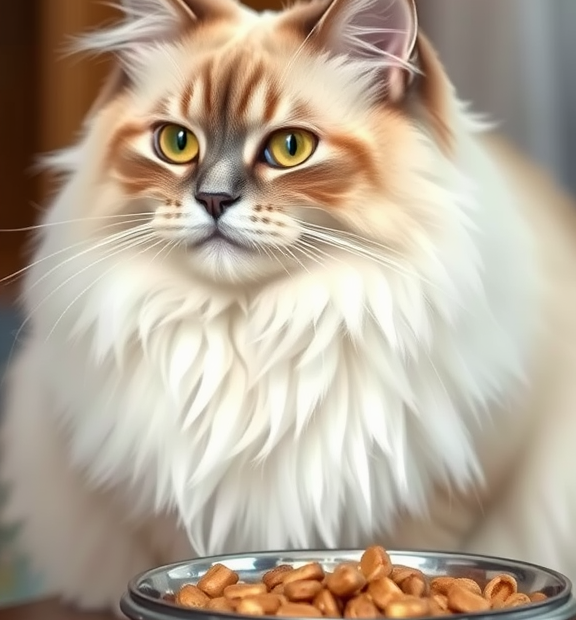
The Best Way to Feed Your Ragdoll Cat for Maximum Health Benefits
Ragdoll cats are known for their striking blue eyes and gentle temperament, making them a beloved companion for many pet owners. But to keep your Ragdoll happy and thriving, proper nutrition is essential. Feeding your Ragdoll cat the right way not only supports their unique physiology but also promotes their long-term health and vitality.
Understanding the Nutritional Needs of Ragdoll Cats
Ragdolls have a sturdy build and a slow metabolism compared to some other cat breeds, which can influence their dietary requirements. They need a balanced diet rich in protein and moderate fat to maintain muscle mass and support their active but laid-back lifestyle. Also, Ragdolls tend to gain weight easily, so portion control and nutrient-dense food choices are crucial.
High-quality protein is a must, as cats are obligate carnivores. This means your Ragdoll’s diet should primarily come from meat sources. Proteins help maintain lean muscle and provide essential amino acids that cats can’t produce on their own.
Choosing the Right Type of Food
When it comes to cat food, you have several options: dry kibble, canned wet food, raw diets, or a mix. Each has its benefits and potential drawbacks, but focusing on quality ingredients tailored for Ragdolls will make a significant difference.
- Wet Food: Wet cat food can help increase hydration since cats do not naturally drink enough water. Ragdolls particularly benefit from wet food to keep their urinary tract healthy.
- Dry Food: Dry food is convenient and can help maintain dental health by reducing plaque buildup when paired with proper dental care routines. However, it should not be the sole source of nutrition due to its low moisture content.
- Raw Diet: Some owners choose raw feeding to mimic the natural diet of cats. If you pursue this, it’s important to consult with a veterinarian to ensure the food is complete and safe.
Key Ingredients to Look For
Be sure to select cat foods with the following key ingredients, as they contribute to your Ragdoll’s optimal health:
- Real Meat First: The first ingredient should be a named meat source like chicken, turkey, or fish.
- Omega Fatty Acids: Ingredients like fish oil or flaxseed provide omega-3 and omega-6 fatty acids, which support a shiny coat and healthy skin.
- Taurine: An essential amino acid for heart and eye health, often added to commercial cat food.
- Antioxidants and Vitamins: Ingredients such as vitamin E, C, and taurine can boost immune function and overall wellness.
- Low Carbohydrates: Avoid foods with high carbohydrate fillers like corn, wheat, or soy, as cats have a limited ability to digest them.
How to Manage Feeding Portion and Schedule
Because Ragdolls can easily become overweight, monitoring meal size is critical. Establish a feeding schedule instead of free feeding to control intake and maintain a healthy weight. Typically, adult Ragdolls do well on two meals per day, while kittens require more frequent feeding schedules.
Using a measured scoop or scale to portion meals will prevent overfeeding. Keep track of your cat’s weight regularly to adjust portions if necessary. Weight management aids in preventing obesity-related health problems, such as diabetes or joint issues.
Importance of Hydration
Proper hydration plays a big role in your cat’s kidney and urinary health, which can be a concern for Ragdoll cats. Wet food offers a great way to increase moisture intake, but always provide fresh, clean water. Consider placing multiple water bowls around the home to encourage drinking and use a cat water fountain to entice more frequent water consumption.
Supplements and Special Considerations
While a balanced diet covers most nutritional needs, certain supplements can benefit your Ragdoll:
- Glucosamine and Chondroitin: To support joint health due to the breed’s predisposition to hip dysplasia.
- Probiotics: For maintaining digestive health, especially if your cat has sensitive digestion.
- Vitamin D and Calcium: Essential for bone strength and growth in growing kittens.
Consult with your veterinarian before adding supplements to your cat’s diet to avoid over-supplementation.
Monitoring Your Cat’s Health Through Diet
Watch for any changes in your Ragdoll’s weight, coat quality, energy, and litter box habits. These signs often indicate whether the current diet is working well. If you notice weight gain, lethargy, or digestive upset, consider adjusting their food type, quantity, or ingredients.
Regular veterinary checkups provide an excellent opportunity to discuss your Ragdoll’s diet and any health concerns. Your vet may recommend specialized nutrition plans if your cat has unique medical issues, such as food allergies or kidney disease.
Customizing Food Preferences
Keep in mind that Ragdolls can be picky eaters. Experimenting with different flavors, textures, and food brands may be necessary to find the best fit. Avoid sudden changes in diet; instead, transition gradually over a week to prevent tummy upsets.
Offer a variety of protein sources to ensure comprehensive nutrition and avoid food fatigue. Remember, feeding your Ragdoll a healthy diet tailored to their specific needs will lead to a longer, healthier, and happier life by your side.
Common Dietary Mistakes to Avoid When Feeding Your Ragdoll Cat
Feeding Your Ragdoll Cat: Avoiding Common Pitfalls
Caring for a Ragdoll cat’s diet is essential for maintaining its signature silky coat, gentle demeanor, and overall health. However, well-meaning cat owners can sometimes make feeding mistakes that unintentionally harm their Ragdoll’s wellbeing. Recognizing and avoiding these dietary missteps will help you provide optimal nutrition and extend your feline’s quality of life.
Misunderstanding the Unique Nutritional Needs of Ragdolls
Ragdolls have specific dietary requirements due to their large size, metabolism, and susceptibility to certain health issues like hypertrophic cardiomyopathy (HCM). One critical mistake is feeding a diet designed for regular cats without considering these unique factors. Treating your Ragdoll the same as any other cat may lead to imbalances in protein, fat, and essential nutrients.
Focus on providing high-quality protein sources such as chicken, turkey, or fish, as Ragdolls are obligate carnivores who need animal-based proteins for muscle maintenance and overall vitality. Avoid generic cat food brands with excessive fillers such as corn, wheat, or soy, which can cause digestive upset and offer little nutritional benefit.
Relying Too Heavily on Dry Food
Many owners default to dry kibble for convenience. Yet, overfeeding dry food can contribute to dehydration, urinary tract problems, and obesity in Ragdolls. Cats naturally derive most of their water intake from their food, since their ancestors evolved in arid climates with little free water. Dry food contains only about 10% moisture, which is insufficient on its own.
Integrate wet or canned food into your Ragdoll’s diet to boost hydration levels and promote kidney health. Water-rich meals help prevent urinary crystals and bladder infections. If you must feed dry food, ensure fresh drinking water is always available, and consider using water fountains to encourage drinking.
Overfeeding and Lack of Portion Control
It’s easy to overestimate how much your Ragdoll needs daily, leading to weight gain and related health issues like diabetes and joint strain. Many owners fall into the trap of free-feeding—leaving food out all day—especially for their laid-back Ragdolls who are not very active. This can result in overeating and obesity.
Instead, regulate meals by measuring portions according to your cat’s age, weight, and activity level. Most adult Ragdolls require between 200 to 300 calories per day, divided into 2-3 meals. Consult your vet to tailor the ideal feeding schedule. Use feeding time as bonding moments and avoid handing out too many treats or table scraps, which add unnecessary calories.
Ignoring Essential Supplements and Nutrients
Since Ragdolls have distinct health risks, missing out on vital nutrients can jeopardize their wellbeing. For example, taurine is an amino acid crucial for heart and eye health. Deficiency can lead to severe complications. Make sure their diet includes adequate taurine, typically found in animal protein.
Omega-3 fatty acids, particularly EPA and DHA, support joint health, reduce inflammation, and enhance the luscious coat typical of Ragdolls. fish oil or specially formulated cat food enriched with omega-3 helps fulfill this need.
Calcium and phosphorus balance is also critical. Feeding exclusively meat without any bone or supplementation may cause imbalances that affect bone strength. High-quality commercial diets typically address this, but homemade meals require careful supplementation.
Feeding Inconsistent or Low-Quality Diets
Constantly switching between brands or types of food can upset your cat’s digestive system, causing diarrhea or vomiting. Abrupt changes can stress their sensitive stomachs. Choose a premium diet and stick with it, gradually transitioning if changes are necessary over 7–10 days.
Low-quality foods often contain artificial additives, preservatives, and low-grade ingredients that provide little nutritional value. They may also increase the risk of allergies or food intolerances. Always prioritize wet or dry food options that use named meat ingredients and avoid by-products or vague labels like “meat meal.”
Feeding Human Food or Dangerous Items
Ragdolls, like all cats, should never receive certain human foods that are toxic or harmful. Onions, garlic, chocolate, grapes, raisins, and alcohol can cause severe poisoning. Dairy is another common culprit; many cats are lactose intolerant and feeding milk may lead to upset stomachs and diarrhea.
Additionally, bones or fatty scraps can cause choking or pancreatitis. If you want to give your Ragdoll treats, opt for those made explicitly for cats, ensuring they provide nutritional benefits without risks.
Understanding Your Ragdoll’s Personality and Feeding Habits
Ragdolls have a calm, sometimes lazy nature and may not be keen on eating large portions at once. Observing your cat’s eating habits can help you avoid overfeeding or food boredom. Some Ragdolls prefer small, frequent meals, while others do well with fewer, larger servings.
Consistency is key. Provide meals in a quiet, comfortable place free from distractions or stressors. This encourages a positive feeding environment and helps maintain a steady appetite.
Final Thoughts on Optimal Ragdoll Nutrition
Feeding your Ragdoll cat correctly involves a mix of quality food choices, portion control, and understanding their specific health needs. Staying clear of common mistakes—like overfeeding, relying solely on dry food, or using low-quality ingredients—will help your feline companion thrive. Monitor their weight and health regularly and consult your veterinarian for personalized advice. By making informed dietary decisions, you can ensure your Ragdoll enjoys a happy, healthy life filled with vibrant energy and that lovely soft coat you cherish.
Conclusion
Feeding your Ragdoll cat the right way plays a crucial role in ensuring they live a healthy, happy life. By focusing on a balanced diet rich in high-quality protein, healthy fats, and essential vitamins, you give your feline friend the nutrients they need to stay strong and energetic. Remember, Ragdolls are prone to certain health issues, so avoiding common dietary mistakes—like overfeeding, relying on low-quality cat food, or ignoring hydration—is just as important as choosing the right foods. Paying attention to portion sizes and steering clear of harmful human treats can prevent weight gain and digestive troubles that may impact your cat’s wellbeing.
You can improve your Ragdoll’s health by offering a combination of wet and dry food, encouraging natural hydration, and ensuring they always have fresh water available. Regularly consulting your vet about your cat’s dietary needs helps tailor meals that suit their age, weight, and activity level. When you approach feeding with care and knowledge, you not only support your Ragdoll’s physical health but also contribute to their overall happiness and lifespan. Taking these steps empowers you to give your Ragdoll the best nutritional foundation possible, setting the stage for many joyful years together.