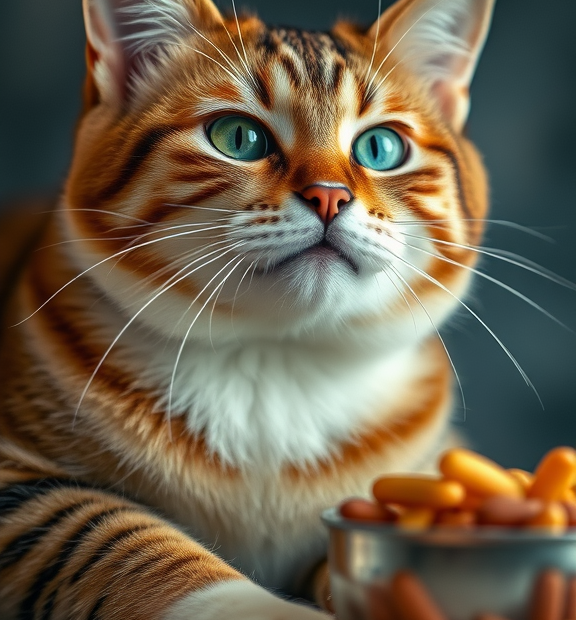
The Hunger Games: Helping Your Cat Win Against Appetite Loss with Smalls – Strategies and Benefits
Understanding Appetite Loss in Cats
When a cat refuses to eat or shows reduced interest in food, it can worry any responsible pet owner. Appetite loss in cats is more than just a mealtime hiccup. It can signal underlying health problems or stress. Identifying why your feline friend isn’t eating is crucial. Often, it’s caused by dental issues, infections, digestive troubles, or anxiety. Sometimes, changes in the environment or diet can confuse even the most adaptable cats.
Struggling with your cat’s appetite feels like a battle — a hunger game where your furry companion needs your help to win. Fortunately, there are ways to encourage eating and restore their energy and health.
Why Smalls Can Be a Game-Changer in Fighting Appetite Loss
One of the most effective ways to help your cat overcome appetite loss is by using high-quality, nutrient-dense food options. Smalls has carved out a unique space by offering fresh, artisanal meals designed specifically for cats. These meals combine fresh ingredients with high palatability, making them highly enticing for fussy or unwell cats.
Smalls cat food features recipes with real proteins and natural ingredients, avoiding fillers and artificial additives. This proximity to natural, wholesome food appeals to your cat’s innate preferences. When cats feel safe and attracted to their food, they are more likely to eat consistently, addressing hunger without forcing the process.
Strategies to Encourage Eating Using Smalls
1. Gradual Food Transition
Sudden changes in a cat’s diet can cause rejection. Use Smalls to transition slowly by mixing a small amount of the new food with your cat’s current diet. Gradually increase the proportion of Smalls over several days.
2. Warming the Meals
Warming freshly prepared Smalls meals enhances aroma, making it more appealing. Slightly heated food mimics the warmth of freshly caught prey, which is instinctively attractive to cats.
3. Portion Control and Feeding Schedule
Feed small portions multiple times a day instead of large meals. Smaller, frequent meals can be easier to digest and prevent overwhelming your cat.
4. Enhance Palatability
Add a bit of warm water or a small amount of cat-safe broth to Smalls dishes. This will loosen texture and stimulate a cat’s senses, prompting interest in food.
5. Comfortable Feeding Environment
Create a quiet, stress-free feeding space. Avoid placing the food near loud noises or high-traffic areas. Cats are sensitive to their surroundings, and a calming zone encourages relaxed eating.
Benefits of Using Smalls to Combat Appetite Loss
- Fresh Ingredients: Smalls uses fresh, whole-food ingredients that maintain nutrients and taste, making meals naturally more tempting.
- Tailored Nutrition: These meals are formulated to provide proper nutrition, supporting your cat’s immune system and overall health during recovery.
- Convenience: Ready-to-serve meals reduce mealtime stress for owners while ensuring cats receive balanced nutrition effortlessly.
- Transparency: Smalls prioritizes ingredient transparency, helping you understand exactly what your cat consumes.
- Variety: Offering different recipes and proteins helps prevent boredom and food aversion in cats.
Monitoring and Additional Tips
While Smalls is a valuable tool, keep a close eye on your cat’s eating habits and health. Appetite loss can sometimes indicate serious conditions requiring a vet’s attention. If your cat refuses food for more than 24-48 hours, or shows other symptoms like lethargy, vomiting, or weight loss, consult a veterinarian promptly.
Encourage regular feeding routines and positive reinforcement. Praise and gentle petting during meals can build food-related comfort and trust.
Hydration is equally important. Cats often drink little water, so adding moisture through Smalls’ fresh meals can improve hydration and support digestion.
Final Thoughts on Helping Your Cat Thrive
Winning the hunger games with your cat means combining thoughtful care with high-quality nutrition. Smalls provides a powerful ally in this quest, delivering fresh, enticing meals tailored for cats struggling with appetite issues. By addressing meals with patience and strategic feeding methods, you help your cat regain strength, joy, and health.
Remember, every cat is unique. Pay attention to preferences, trial different flavors, and embrace a supportive feeding approach, knowing that your efforts can turn a mealtime struggle into a nourishing delight.
Understanding Appetite Loss in Cats: Causes, Symptoms, and When to Seek Veterinary Help
Why Cats Lose Their Appetite
Cats can stop eating for many reasons, and understanding these causes is key to ensuring your feline friend stays healthy. Appetite loss in cats is not a disease itself but a symptom that signals underlying problems. Some common reasons include:
- Illness or Pain: Infections, dental issues, kidney disease, or gastrointestinal discomfort can make cats avoid food.
- Stress and Anxiety: Changes in environment, new pets, or loud noises can upset your cat’s routine, leading to less interest in eating.
- Changes in Food Preferences: Cats can grow tired of their food or suddenly dislike a certain flavor or texture.
- Medication Side Effects: Some drugs cause nausea or change taste perception, reducing appetite.
- Age-Related Issues: Older cats may lose appetite due to declining senses or chronic health problems.
Spotting these triggers early can prevent serious health decline. Taking note if your cat suddenly refuses to eat is critical.
Recognizing Warning Signs in Your Cat’s Eating Habits
Detecting appetite loss involves more than just noticing if your cat skips meals. Watch for these symptoms that suggest your cat may be struggling:
- Eating less than usual or complete refusal to eat
- Weight loss over a short period
- Lethargy or less playful behavior
- Changes in grooming habits—less grooming may indicate illness
- Visible signs of pain, such as pawing at the mouth or drooling
- Hiding or withdrawal from family members
Any combination of these signs warrants close attention. Appetite loss lasting more than 24-48 hours in a cat demands immediate action. Cats can develop serious complications such as hepatic lipidosis, a dangerous liver condition, if they starve for too long.
When to Contact Your Veterinarian
You might ask yourself, “When is it serious enough to see the vet?” The answer depends on the severity and duration of appetite loss and accompanying symptoms. Contact your veterinarian promptly if you notice:
- Your cat stops eating for more than two days
- Any signs of vomiting, diarrhea, or significant changes in urination
- Weight loss that seems rapid or unexplained
- Signs of pain, difficulty breathing, or unusual behavior changes
Veterinarians can perform exams, blood tests, or imaging to diagnose the root cause and recommend the best course of action. Early intervention can save your cat’s life.
What Happens at the Vet’s Office
During your visit, your vet will likely ask detailed questions about your cat’s eating patterns, recent changes, and overall behavior. They may check your cat’s mouth, teeth, body condition, hydration status, and vital signs.
Blood work is often advised to detect infections, kidney or liver disease, and other systemic illnesses. In some cases, X-rays or ultrasound scans can reveal internal problems. Based on findings, your vet might prescribe medications, special diets, or other treatments to stimulate appetite and address underlying issues.
Supporting Your Cat’s Appetite at Home
While seeking professional help is essential, there are several ways you can encourage your cat’s appetite at home:
- Offer Appealing Food: Warm up wet food slightly to enhance aroma, or try different flavors and textures to stimulate interest.
- Feed Small, Frequent Meals: Smaller portions throughout the day can be easier for your cat to manage.
- Create a Calm Environment: Make mealtime relaxing by reducing noise and distractions.
- Hydration is Key: Provide fresh water at all times, using water fountains if your cat prefers running water.
- Hand Feeding: In some cases, gently offering food by hand can encourage eating and show comfort.
Keep track of your cat’s eating behavior and any changes. This information will be valuable during veterinary consultations.
Why Timely Action Makes a Difference
Ignoring appetite loss might seem harmless at first, but it can quickly lead to serious health problems. Cats are vulnerable to rapid weight loss and associated complications. Taking swift action, observing symptoms closely, and working with your veterinarian protects your cat from avoidable suffering.
Remember, your attentive care combined with expert advice can turn the battle against appetite loss into a victory for your cat’s health.
Conclusion
Helping your cat overcome appetite loss can feel like a challenging battle, but with the right strategies and a thoughtful approach, you can tip the scales in your furry friend’s favor. Utilizing Smalls, a specialized cat food brand that focuses on nutritious, fresh ingredients, offers not only a tempting taste but also essential nutrients that encourage your cat to eat more confidently. Understanding why your cat’s appetite has decreased is equally important. Whether stress, illness, or dental issues are at play, recognizing symptoms early and seeking veterinary advice ensures your cat gets the care it needs before the problem worsens.
By combining expert knowledge about appetite loss with Smalls’ tailored feeding solutions, you can create a supportive environment that nurtures your cat’s health and happiness. Paying attention to changes in eating habits, providing a variety of flavors and textures, and maintaining a calm feeding routine work hand in hand to rebuild your cat’s enthusiasm for mealtime. Remember, every cat is unique, and patience paired with proactive steps often leads to the best outcomes.
Ultimately, helping your cat “win” against appetite loss means giving them a fighting chance through quality nutrition and timely care. When you choose to understand your cat’s needs deeply and respond with effective feeding strategies like Smalls, you’re not just addressing a temporary issue—you’re promoting long-term wellness and strengthening the bond you share with your beloved companion.