The Secret to Proper Ragdoll Cat Nutrition for Long-Term Health: Key Dietary Components
If you own a Ragdoll cat or are considering adding one to your family, understanding their unique nutritional needs is vital for ensuring they live a long, healthy life. These stunning cats are known for their gentle personality and beautiful coats, traits that depend heavily on proper nutrition. The secret to proper Ragdoll cat nutrition for long-term health lies in focusing on key dietary components tailored to support their specific physiology and energy needs.
Balanced Proteins for Muscle and Energy
Ragdolls, like all cats, are obligate carnivores. This means their bodies require a diet rich in animal-based protein to thrive. High-quality proteins provide essential amino acids that support muscle maintenance, immune function, and overall vitality. When selecting food for your Ragdoll, choose options where meat, poultry, or fish is the primary ingredient. Avoid products with excessive fillers like corn, soy, or wheat, as these provide little nutritional value and can cause digestive problems.
Young and active Ragdolls especially benefit from protein-rich diets since they need to build and maintain lean muscle mass. On the other hand, senior Ragdolls will require adjusted protein portions to prevent muscle loss while avoiding excessive calorie intake.
Essential Fatty Acids for a Healthy Coat
One of the most noticeable features of Ragdoll cats is their luscious, silky coat. Proper intake of essential fatty acids, such as Omega-3 and Omega-6, plays a key role in maintaining this soft fur while also supporting skin health and internal organ function. Ingredients like fish oil and flaxseed oil are excellent natural sources of these fatty acids.
Supplementing your Ragdoll’s diet with foods rich in fatty acids can help reduce shedding and minimize skin irritations, which many cats struggle with. Additionally, they support cardiovascular health and help regulate inflammation—both important for your cat’s long-term wellness.
Hydration and Moisture Content
Hydration often receives less attention but is equally important in your cat’s diet. Ragdolls, like many domestic cats, typically have a low thirst drive and may not drink enough water on their own. Feeding wet or canned cat food, which contains higher moisture content, can help keep your pet well-hydrated. Proper hydration supports kidney function and reduces the risk of urinary tract problems, which are common in indoor cats.
Vital Vitamins and Minerals to Support Immunity
A well-rounded diet also includes essential vitamins and minerals to boost the immune system and maintain bone density and organ function. Vitamins like A, D, E, and B-complex, along with minerals such as calcium, phosphorus, and taurine, are necessary for your Ragdoll’s health. Taurine deserves special mention because it is an amino acid crucial for heart health and vision in cats.
Many commercial cat foods are fortified with these nutrients; however, always check ingredient labels and avoid brands that depend heavily on artificial additives or preservatives.
Portion Control and Feeding Schedule
Maintaining proper portion sizes tailored to your Ragdoll’s age, weight, and activity level is essential. Obesity can be a concern with this relatively large breed if overfed or given too many treats. Establish consistent feeding times and avoid free-feeding, as a scheduled feeding routine helps regulate digestion and weight management.
Ingredients to Avoid in Your Ragdoll’s Diet
- Excess Carbohydrates: Cats do not require carbohydrates in high amounts. Too many carbs can lead to obesity and diabetes.
- Artificial Colors and Flavors: These additives often have no nutritional benefit and may cause allergic reactions.
- Fillers and By-products: Low-quality fillers can disrupt digestion and reduce nutrient absorption.
Consulting Your Veterinarian for Personalized Advice
Each Ragdoll cat is unique, and their nutritional needs can vary based on health conditions and lifestyle. Regular veterinary check-ups help monitor your cat’s health and allow you to adjust their diet as necessary. Your vet may recommend specific therapeutic diets if your cat develops allergies, kidney issues, or other chronic conditions.
By prioritizing a diet rich in animal protein, essential fatty acids, moisture, vital nutrients, and responsible feeding practices, you unlock the secret to proper Ragdoll cat nutrition for long-term health. With a well-balanced diet tailored to their needs, you’ll help ensure your Ragdoll thrives with a soft coat, steady energy, and a robust immune system for years to come.
Common Nutritional Challenges for Ragdoll Cats and How to Overcome Them
Understanding the Unique Diet Needs of Ragdoll Cats
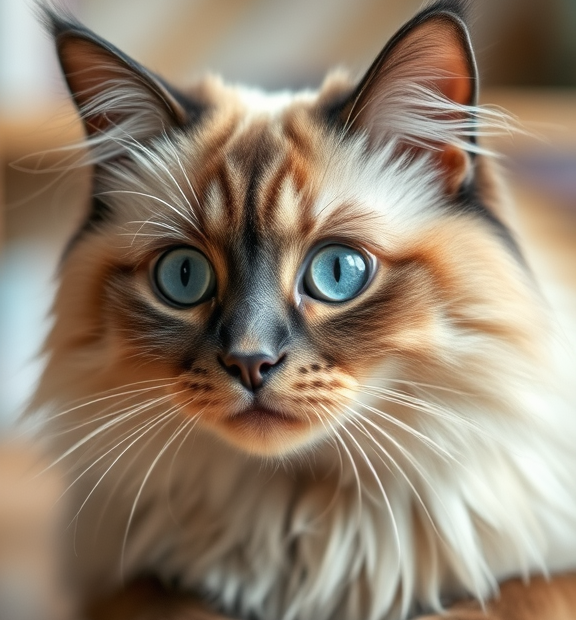
Ragdoll cats are known for their striking blue eyes and gentle disposition, but their nutritional needs are just as distinctive. These beautiful felines have a medium to large build with a lean yet muscular frame, which means their diets need to support healthy muscle maintenance without contributing to unnecessary weight gain. Their slow metabolism and laid-back nature can make them prone to certain health issues if their nutrition isn’t carefully managed. Recognizing the common hurdles in feeding Ragdolls can help you offer the best support for their long-term health.
Challenge 1: Risk of Obesity Due to Sedentary Lifestyle
Because Ragdolls are typically calm and less active than other breeds, they often burn fewer calories throughout the day. This can lead to weight gain if their diet isn’t carefully controlled. Obesity in cats can cause a cascade of health problems, from diabetes to joint pain, reducing their quality of life.
To prevent obesity in your Ragdoll, you should:
- Measure portions accurately rather than free-feeding.
- Choose cat food with balanced calories to prevent overconsumption.
- Incorporate playtime and stimulating activities that encourage movement.
Challenge 2: Ensuring Adequate Protein Intake
Protein is crucial for maintaining your Ragdoll cat’s muscle mass and overall vitality. However, some commercial cat foods contain fillers like grains that provide carbohydrates but dilute the protein content. This can be problematic because cats are obligate carnivores—they require a diet rich in animal-based proteins.
Look for cat foods where high-quality animal protein is the main ingredient, such as chicken, turkey, or fish. Ideally, the protein content should be at least 30% on a dry matter basis. Additionally, avoid foods high in plant derivatives that offer little nutritional value and can contribute to digestive issues.
Challenge 3: Managing Hairball Formation with Proper Fiber
The long, silky fur of Ragdolls often leads to frequent grooming, which can increase hair ingestion. This makes your cat more prone to hairballs, which may cause discomfort or digestive blockages if not addressed. Providing the right balance of fiber in their diet helps move ingested hair through the digestive tract efficiently.
You can help reduce hairball problems by:
- foods with natural fiber sources like beet pulp or pumpkin.
- Considering specialized hairball control diets formulated for long-haired cats.
- Supplementing with occasional fiber treats or gels recommended by your vet.
Challenge 4: Avoiding Nutritional Deficiencies
Ragdoll cats need a diet rich in essential nutrients, including taurine, vitamins, and minerals, to support heart health, vision, and immune function. Taurine deficiency is particularly dangerous in cats and can lead to blindness or heart disease. Unfortunately, not all commercial foods guarantee the appropriate levels of these nutrients.
When selecting food, prioritize brands that adhere to AAFCO (Association of American Feed Control Officials) guidelines. These standards ensure the food meets minimum nutritional requirements. You can also consult your veterinarian about supplements or diet adjustments if your Ragdoll has specific health concerns.
Challenge 5: Food Sensitivities and Allergies
Some Ragdoll cats may develop allergies or sensitivities to certain ingredients such as grains, dairy, or particular protein sources. This can lead to skin irritation, digestive upset, or recurring ear infections.
If you notice symptoms like itching, vomiting, or diarrhea, consider:
- Switching to limited ingredient diets.
- Trying hypoallergenic cat foods that exclude common allergens.
- Keeping a detailed food diary to track reactions with the help of your vet.
Adding Moisture Through Wet Food Choices
Hydration is essential for your Ragdoll’s urinary tract health. Cats naturally have a low thirst drive and often don’t drink enough water, which can lead to urinary tract infections or kidney issues. wet food into your cat’s diet adds valuable moisture content and supports urinary health.
Feeding high-quality canned or pouch food 2-3 times a week can:
- Increase water intake effortlessly.
- Improve palatability and digestion.
- Encourage a balanced diet with varied textures and flavors.
Practical Tips to Build a Balanced Diet for Your Ragdoll
Every Ragdoll cat is unique. When crafting their nutrition plan, keep these strategies in mind:
- Consult your veterinarian: Regular check-ups help tailor diet plans based on age, weight, and health status.
- Rotate protein sources: Introduce a variety of meats to prevent allergies and ensure nutrient diversity.
- Monitor body condition: Keep an eye on your cat’s weight and adjust portions accordingly.
- Offer fresh water: Always provide access to clean water and consider a cat water fountain to encourage drinking.
- Avoid table scraps: Human foods can introduce imbalanced nutrition or harmful ingredients.
Addressing these nutritional challenges with consistent care and thoughtful feeding choices will help your Ragdoll cat thrive. By focusing on quality protein, controlled calories, hydration, and avoiding allergens, you’re setting the foundation for their long-term health and happiness.
Conclusion
Proper nutrition plays a vital role in ensuring your Ragdoll cat enjoys a long, healthy life. Understanding the key dietary components—such as balanced proteins, essential fats, vitamins, and minerals—forms the foundation of their well-being. By focusing on high-quality ingredients tailored to their unique needs, you support their muscle development, coat health, and overall vitality.
At the same time, being aware of common nutritional challenges helps you stay proactive. Many Ragdoll cats face issues like food sensitivities, obesity, or nutrient imbalances. Recognizing these pitfalls allows you to adjust their diet promptly, whether that means switching to hypoallergenic formulas, controlling portion sizes, or supplementing with necessary nutrients.
Ultimately, the secret to proper Ragdoll cat nutrition lies in combining knowledge with attentive care. By providing a thoughtful, balanced diet and addressing any challenges early, you help your furry companion thrive well into their golden years. Remember, the choices you make today directly influence your Ragdoll’s health tomorrow—so prioritize their nutrition to enjoy many happy moments together.