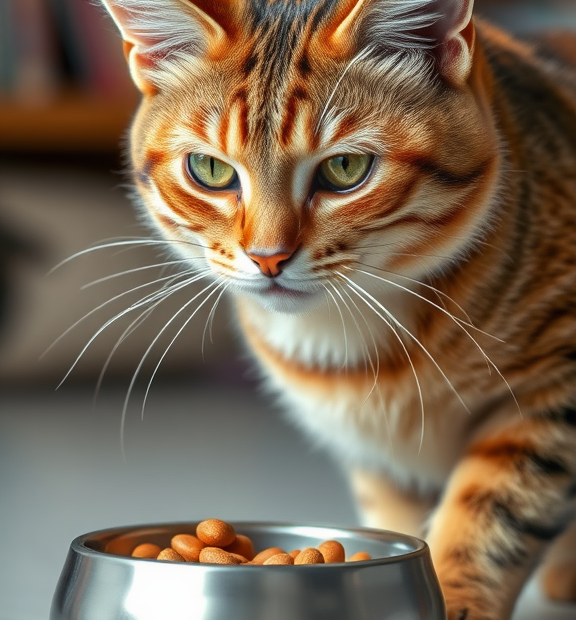
Understanding Common Cat Feeding Issues and How to Solve Them
Caring for a cat involves more than just providing food; understanding and addressing feeding challenges is crucial for your feline friend’s health and happiness. Many cat owners face issues like picky eating, food allergies, irregular eating habits, or weight concerns. Recognizing these problems early and knowing how to handle them can improve your cat’s well-being greatly. This guide explores common cat feeding issues and offers practical solutions you can apply at home.
Why Cats Refuse to Eat or Are Picky
It’s frustrating when your cat refuses meals or seems selective about food. Cats can be particular eaters for various reasons:
- Texture and flavor preferences: Cats may dislike certain textures, such as dry kibble versus wet food, or flavors, like fish versus poultry.
- Health problems: Oral pain, dental issues, or gastrointestinal discomfort can make eating unpleasant.
- Stress or environmental changes: New surroundings, loud noises, or changes in routine often affect appetite.
- Food freshness: Cats may reject stale or spoiled food.
To solve pickiness, try offering a variety of high-quality wet and dry foods to identify preferences. Warming wet food slightly can enhance aroma and appeal. Maintaining a quiet, calm feeding environment can also encourage eating. If refusal persists beyond 24 hours, a visit to the vet is advisable to rule out medical causes.
How to Manage Overeating and Obesity
Obesity in cats is a growing concern, leading to health problems like diabetes and arthritis. Overfeeding, high-calorie treats, and lack of exercise often contribute to weight gain.
Help your cat maintain a healthy weight by following these tips:
- Measure portions: Use a measuring cup to feed accurate amounts instead of free feeding.
- Scheduled feeding: Offer meals twice a day at consistent times to regulate appetite.
- Choose low-calorie food: Select cat food formulated for weight management.
- Limit treats: Treats should make up less than 10% of your cat’s daily calories.
- Encourage play: Regular interactive play sessions help burn calories and prevent boredom-related eating.
Recognizing and Addressing Food Allergies
Food allergies can manifest through itching, vomiting, diarrhea, or excessive grooming. If your cat shows these symptoms, try an elimination diet under veterinary guidance to identify allergens.
Common allergenic ingredients include beef, dairy, fish, and grains. Hypoallergenic diets with novel protein sources like duck, venison, or hydrolyzed protein formulas may relieve symptoms. Always introduce new diets gradually over 7-10 days to avoid stomach upset.
How to Handle Refusal to Drink Water
Maintaining proper hydration is critical, especially for cats who primarily eat dry food. Some cats resist drinking standing water, increasing their risk of urinary tract problems.
Solutions to encourage water intake include:
- Providing multiple water bowls around the home.
- Using a cat water fountain to offer fresh, flowing water that attracts cats.
- Adding water or broth (without onions or garlic) to wet food to increase moisture consumption.
When Your Cat Eats Too Quickly
Rapid eating can cause vomiting or digestive discomfort. Slow down your cat’s eating with:
- Special slow-feed bowls designed with ridges or obstacles.
- Feeding smaller portions multiple times a day.
- Placing a large object like a clean rock (size-appropriate) in the food bowl to force slower bites.
Tips for Transitioning Your Cat to a New Diet
Switching cat food should always be gradual to avoid digestive upset. Introduce new food by mixing it with the old food in increasing proportions over 7-14 days. Monitor for any vomiting, diarrhea, or refusal, and consult your vet if problems arise.
By understanding the causes behind feeding challenges such as picky eating, overeating, or allergies, you can tailor solutions specific to your cat’s needs. Pay close attention to your pet’s behavior and physical condition, and don’t hesitate to seek veterinary advice if feeding issues persist. This proactive approach ensures your cat stays healthy, happy, and well-nourished.
Small but Effective Solutions to Improve Your Cat’s Feeding Habits
Understanding Common Cat Feeding Challenges
Cats can be picky eaters, and feeding issues are common among cat owners. You might notice your cat refusing food, eating too fast, or even developing unhealthy habits around feeding time. These behaviors can cause worry, but often, small and manageable adjustments can make a big difference in improving your cat’s feeding habits.
Feeding problems can stem from various causes such as stress, health concerns, boredom, or even the type of food provided. By recognizing the root of these issues, you can take effective steps that not only enhance your cat’s nutrition but also promote their well-being.
Small Adjustments to Encourage Healthy Eating
Making minor changes to your cat’s feeding routine and environment can improve their appetite and eating patterns. Here are some straightforward solutions to try:
- Establish a Regular Feeding Schedule: Cats thrive on routine. Feeding your cat at the same times each day helps reduce anxiety around meal times and encourages consistent eating.
- Use a Quiet and Comfortable Feeding Spot: Cats often prefer to eat in a calm and safe place. Choose a spot away from loud noises, heavy foot traffic, or other pets that may cause distraction or stress during eating.
- Serve Smaller, Frequent Meals: Instead of one or two large meals, offer multiple smaller portions throughout the day. This can prevent overeating, reduce food guarding, and encourage better digestion.
- Introduce Variety in Food Texture and Flavor: Cats can become bored of the same food. Rotating between wet and dry food, or offering different protein sources, can renew their interest in eating.
- Monitor Portion Sizes and Weight: Overfeeding often leads to obesity and other health problems. Use a measuring cup to control portions according to your vet’s recommendations and keep an eye on your cat’s body condition regularly.
Enhancing Appetite with Easy Tricks
If your cat struggles with a poor appetite or reluctance to eat, some simple techniques can help stimulate their interest in food:
- Warm the Food Slightly: Heating wet cat food to near body temperature can enhance its aroma, making it more appealing.
- Add Tasty Toppers: Sprinkling a little bit of tuna juice, chicken broth (low-sodium), or commercial appetite stimulants can entice finicky cats.
- Hand-Feeding: Sometimes, hand-feeding your cat small bites can encourage eating and create a positive association with mealtime.
- Try Puzzle Feeders or Slow Feed Bowls: These tools offer mental stimulation and slow down the eating pace, which is beneficial for cats that eat too quickly or get bored easily.
Addressing Health-Related Feeding Issues
Any sudden or long-term changes in your cat’s feeding habits should be discussed with your veterinarian. Sometimes, feeding problems signal underlying health issues such as dental disease, gastrointestinal disorders, or stress-related conditions.
Signs to watch for include:
- Sudden refusal to eat or drink
- Weight loss or weight gain
- Changes in stool or urination patterns
- Excessive drooling or difficulty chewing
Early diagnosis helps in managing these problems effectively. Sometimes, altering the diet to specialized prescription food or providing supplements can be necessary as part of your cat’s feeding management.
Creating a Positive Feeding Environment
The environment where your cat eats significantly affects their feeding behavior. By creating a positive and stress-free feeding atmosphere, you can help your cat feel secure and encourage healthy eating habits.
Some ideas to improve feeding surroundings include:
- Placing feeding bowls on non-slip mats to prevent noise and movement
- Using shallow, wide dishes for cats that dislike their whiskers touching bowl edges
- Separating food and water bowls to promote hydration and avoid contamination
- Keeping feeding areas clean and changing water daily
Tips for Multi-Cat Households
If you have more than one cat, feeding time can sometimes turn stressful. Competition for food or food guarding behaviors may discourage some cats from eating properly. To alleviate this:
- Provide multiple feeding stations in different locations
- Use feeding gates or barriers to separate cats when necessary
- Observe each cat’s eating habits to ensure all get enough food
- Feed cats simultaneously to reduce guarding and competition
Ensuring each cat has their own space and resources reduces feeding stress and improves overall mealtime harmony.
Final Notes on Sustaining Healthy Feeding Habits
Consistency is key when it comes to improving your cat’s feeding routine. Small, steady changes often succeed better than drastic alterations. Monitor your cat’s reactions and adjust your approach as needed.
Remember, understanding your cat’s unique preferences and health needs through observation and consultation with professionals will allow you to provide the best feeding care. By applying these small but effective solutions, you set your feline friend on a path to better nutrition, happier mealtimes, and improved overall health.
Conclusion
Addressing your cat’s feeding issues doesn’t have to be overwhelming. By understanding the common challenges—such as picky eating, overeating, or slow eating—you can identify the root causes and take thoughtful action. Sometimes, small changes like adjusting portion sizes, trying different food textures, or setting a consistent feeding schedule can make a big difference. These simple yet effective solutions not only improve your cat’s eating habits but also support their overall health and happiness.
Remember, each cat is unique, so patience and observation play key roles in finding what works best for your furry friend. Being mindful of their behavior during meals helps you spot problems early and respond appropriately. Whether it’s encouraging hydration with wet food or creating a calm feeding environment, small tweaks can enhance your cat’s mealtime experience.
By applying these insights and practical strategies, you build a stronger bond with your cat while ensuring their nutritional needs are met. Feeding time becomes less stressful and more enjoyable for both of you. Keep experimenting gently, and don’t hesitate to consult your veterinarian if problems persist. With your care and the right solutions, your cat can develop healthy, happy feeding habits that last a lifetime.