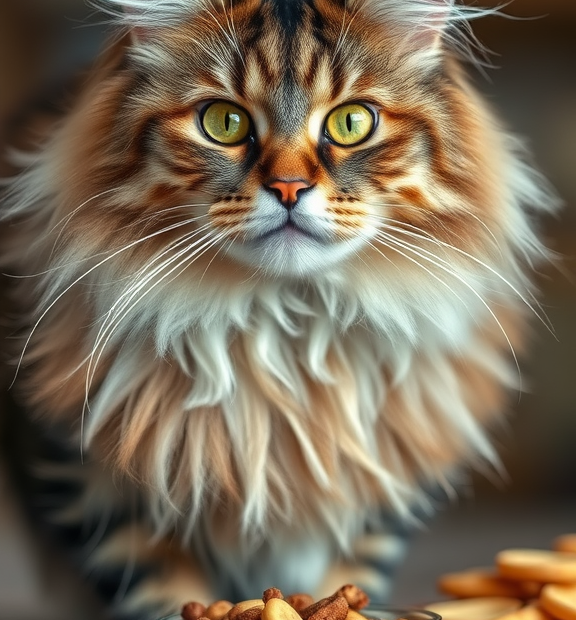
Top Foods to Try for a Maine Coon with a Cat Eat Problem 🐾😺
Maine Coons are known for their friendly nature and large, robust size, but sometimes these gentle giants can develop picky eating habits or face “cat eat problems” such as loss of appetite or food aversion. If you have a Maine Coon who is suddenly turning away from their meals, it’s important to explore different food options that could entice them while ensuring they receive the nutrition they need. Choosing the right foods not only improves their eating habits but also contributes to their overall health and energy levels.
The Role of Diet in Maine Coon Health
Maine Coons require a diet rich in protein and essential nutrients to support their muscular build and thick fur. An improper diet can lead to veterinary issues or affect their eating enthusiasm. When facing a cat eat problem, finding foods that offer both palatability and nutritional value is key. These foods should mimic their natural diet to some extent, containing high-quality animal proteins and moisture that keeps them hydrated.
Choosing Foods That Appeal to a Maine Coon’s Taste Buds
Cats are typically attracted to foods with a strong aroma and texture variation. Maine Coons may prefer wet foods or a combination of wet and dry to stimulate their appetite. Here are some types of foods to consider:
- High-Protein Wet Foods: Canned foods with real chicken, turkey, or fish can be more appealing than dry kibble. Their natural juiciness and aroma invite cats to eat, which can help when a Maine Coon is reluctant to eat.
- Freeze-Dried or Freeze-Frozen Raw Foods: Raw diets or raw-inspired foods closely resemble what cats might consume in the wild, providing natural nutrients without fillers. This option often entices picky Maine Coons to eat.
- Grain-Free Kibble: Some Maine Coons are sensitive to grains or fillers, which can cause digestive issues or reduce their interest in food. Grain-free kibble with quality protein sources improves palatability and nutrition.
Specific Foods to Consider for Maine Coons with Eating Issues
1. Chicken and Turkey-Based Foods
Poultry is a favorite protein for many cats. High-quality canned or freeze-dried chicken and turkey can be very enticing. Opt for products without artificial flavors, colors, or preservatives to avoid irritating your Maine Coon’s digestive system. These lean meats provide essential amino acids that promote muscle maintenance and overall health.
2. Salmon and Other Fatty Fish
Fatty fish like salmon offers an extra boost of omega-3 fatty acids, which support skin, coat, and cognitive health. Wet foods or treats featuring salmon can trigger interest due to their strong smell and richness. Ensure these fish are sustainably sourced and free from harmful additives.
3. Rabbit or Venison-Based Diets
Novel protein sources like rabbit or venison help avoid common allergens or intolerances that may cause your Maine Coon to avoid regular foods. These proteins also often come in wet or dehydrated forms that stimulate a finicky eater’s senses and improve uptake.
4. Balanced Raw or Fresh Food Meals
Ready-made raw or fresh meals tailored to feline nutritional needs can renew an appetite. These meals combine muscle meat, organs, and bone in a safe and balanced manner. For Maine Coons facing cat eat problems, transitioning to fresh raw food may encourage them to eat due to the freshness and natural taste.
Tips to Encourage Better Eating Habits
Beyond choosing the right foods, you can support your Maine Coon’s eating habits in several ways:
- Warm the Food Slightly: Heating wet food slightly can enhance the aroma and make it more appetizing.
- Feed Small, Frequent Meals: Smaller portions several times a day may be more manageable and less overwhelming for a reluctant eater.
- Mix Favorite Treats Into Meals: Adding small amounts of tuna juice or low-sodium broth can entice your cat to eat.
- Check For Dental Issues: Eating problems might stem from discomfort in the mouth. Consulting a vet for dental health is essential if your cat shows reluctance to chew.
When to Seek Veterinary Advice
If your Maine Coon’s eating problem persists despite trying these top foods and approaches, it’s important to seek professional help. Changes in appetite can signal underlying health issues that need diagnosis. Your vet can recommend specialized diets or treatments tailored to your Maine Coon’s needs.
Addressing food aversion or picky eating in Maine Coons with appropriate, high-quality foods is the first step in ensuring their well-being. By offering a variety of enticing options rich in the nutrients they need, you help your cat reclaim their appetite and maintain their vibrant, healthy life.
Tips and Tricks to Encourage Healthy Eating Habits in Maine Coons
Understanding the Unique Dietary Needs of Maine Coons
Maine Coons are large, majestic cats with a big appetite, but their size alone does not determine their nutritional needs. They have specific requirements that promote their health, energy, and luscious coats. Encouraging healthy eating habits in a Maine Coon starts with understanding that their diet should be rich in high-quality protein, moderate fat, and moderate carbohydrates. Unlike some cats, Maine Coons benefit from a varied diet that includes moisture-rich foods to support their kidney health and maintain hydration.
Since Maine Coons are prone to obesity due to their love for food and moderate activity levels, establishing healthy eating patterns early is crucial. Your goal is to stimulate their appetite for nutritious foods while avoiding overfeeding or unhealthy treats.
Creating an Appealing Eating Environment
Sometimes, cats develop “cat eat problems” like finicky eating or reluctance to eat enough. You can tackle this by making mealtime inviting:
- Use shallow, wide bowls: Maine Coons have large muzzles, so deep bowls can be uncomfortable. A broad plate encourages them to eat without whisker fatigue.
- Keep feeding areas clean: Regularly wash food and water dishes to ensure fresh, tasty meals.
- Establish routine feeding times: Predictable meal times help build a habit and reduce anxiety or overexcitement around food.
- Provide quiet space: A calm area free from loud noises or other pets lets your Maine Coon focus on eating.
Choosing the Right Foods for a Maine Coon with a Cat Eat Problem
For Maine Coons who show hesitation about their meals or suffer from picky eating, offering nutrient-dense, highly palatable options can spark interest.
1. Wet Food Options
Wet food is excellent for Maine Coons as it mimics their natural prey’s moisture content. Choose wet cat food rich in animal protein such as chicken, turkey, or fish without fillers. The soft texture and aromatic scent often stimulate appetite better than dry food.
2. High-Protein Dry Kibble
For convenience and dental benefits, include a high-quality dry kibble formulated for large cats. Look for foods where the first ingredients are real meat and that have moderate fat and low fillers like corn or wheat.
3. Mix Protein Sources
Introduce variety by rotating between different protein bases like chicken, salmon, and turkey. This keeps the diet interesting and helps prevent nutrient deficiencies.
4. Natural Additives
Sprinkle small amounts of freeze-dried meat or fish on top of meals. This can entice reluctant eaters and encourage them to try new flavors.
Tricks to Encourage Consistent Eating
Aside from what you feed, how and when you feed your Maine Coon can make a difference.
- Warm up the food: Heating wet food slightly releases aromas and enhances flavor, making meals more appealing.
- Hand feeding: Occasionally offering food from your hand creates trust and encourages eating, especially if your cat is shy or ill.
- Feed smaller, frequent meals: Maine Coons benefit from multiple small meals a day rather than one or two large ones. This regulates appetite and digestion.
- Use puzzle feeders: Incorporate food-dispensing toys to stimulate mental activity and make eating fun.
Important Nutritional Considerations
Maine Coons are prone to certain health problems linked to diet, so keep these factors in mind:
Hydration
Make sure your Maine Coon drinks plenty of water. Wet food helps but always provide fresh water. Cats often prefer running water, so consider a cat water fountain.
Supplements
Consult your vet about adding omega-3 fatty acids or glucosamine supplements to support joint health and maintain a shiny coat.
Avoid Harmful Foods
Never feed your Maine Coon onions, garlic, chocolate, or excessive dairy. These can cause serious health issues.
Patience and Observation Are Key
Every Maine Coon is unique. If your cat struggles with eating problems, observe their preferences and behaviors closely. Slowly transition to new foods by mixing with favorites—the gradual change reduces digestive upset and builds acceptance.
If appetite issues persist despite your efforts, consult your veterinarian. Sometimes eating problems signal underlying health concerns that need professional attention.
Helping your Maine Coon develop healthy eating habits takes effort and love, but the rewards are tremendous. Providing balanced meals, an enjoyable feeding environment, and lots of encouragement will keep your gentle giant thriving and happy for years to come.
Conclusion
Feeding a Maine Coon with a cat eat problem can feel challenging, but choosing the right foods and adopting thoughtful strategies makes a big difference. Opting for nutrient-rich, palatable options like high-quality wet food, specially formulated kibble, or natural protein sources can entice your Maine Coon’s appetite and provide essential nourishment. Remember to introduce new foods gradually and observe your cat’s preferences carefully to find what truly works.
Alongside the right diet, encouraging healthy eating habits is just as crucial. Establish consistent meal times, create a calm and inviting feeding environment, and consider smaller, more frequent meals to keep your Maine Coon interested. You might also try interactive feeders or puzzle toys to engage their natural hunting instincts, turning mealtime into playtime.
Being patient and attentive helps you support your cat’s well-being effectively. Understanding their unique tastes and dietary needs ensures that eating becomes an enjoyable and stress-free experience for both of you. By combining the right foods with smart feeding techniques, you can help your Maine Coon overcome eating difficulties and maintain a healthy, happy lifestyle. If problems persist, consulting your veterinarian is always a wise step to rule out underlying health issues and get personalized advice tailored to your feline friend.