At-a-Glance
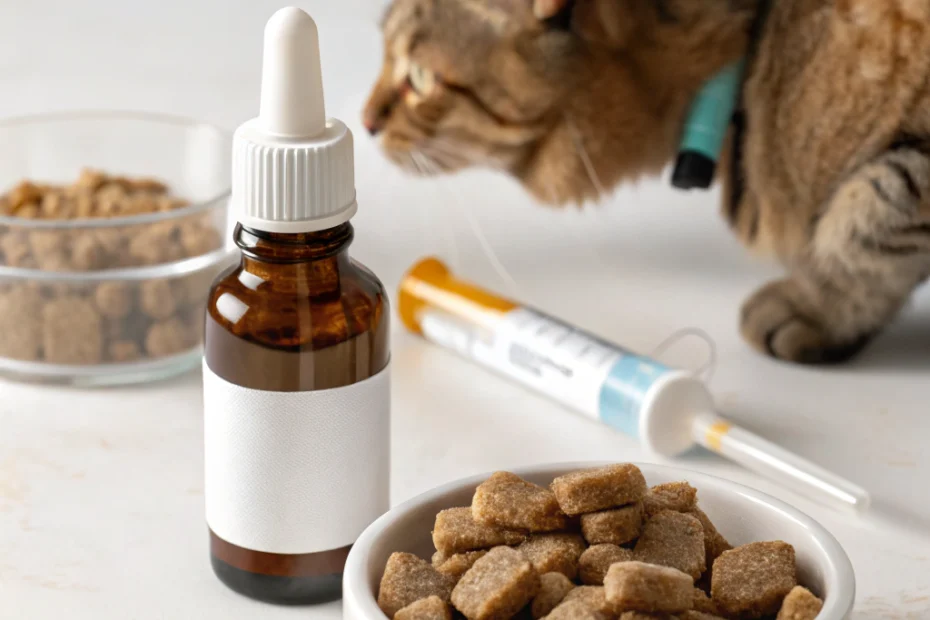
Cat allergy medication can be a helpful tool for managing your feline’s health, especially if your cat suffers from allergies. These medications are commonly used to alleviate symptoms such as itching, sneezing, and skin irritation. While they may support your cat’s comfort, it’s crucial to understand how to choose the right option and ensure its safe use.
How to Choose
When selecting a cat allergy medication, consider several factors to ensure it’s the best fit for your pet. First, identify the specific symptoms your cat is experiencing. This can guide you in choosing a medication that targets those issues. Next, consult with your veterinarian, who can provide insights based on your cat’s medical history and current health conditions. It’s also important to consider the form of the medication, such as tablets, liquids, or topical treatments, as some cats may be more receptive to certain forms than others.
Safety & Setup
Safety is paramount when administering any medication to your cat. Always follow the dosage instructions provided by your veterinarian or the product packaging. Be aware of potential side effects, which can include drowsiness, vomiting, or changes in appetite. If you notice any adverse reactions, contact your veterinarian immediately. Additionally, ensure that the medication is stored properly, away from children and other pets, to prevent accidental ingestion.
Core Pillars
Understanding the core pillars of cat allergy medication can help you make informed decisions. These include:
- Effectiveness: The ability of the medication to alleviate symptoms.
- Safety: The medication should have minimal side effects and be safe for long-term use if necessary.
- Ease of Administration: Consider how easy it is to give the medication to your cat.
- Veterinary Approval: Ensure that any medication you choose is approved by your veterinarian.
Placement & Environment Tips
Creating a comfortable environment for your cat can complement the use of allergy medication. Keep your home clean and free of dust and allergens. Regularly wash your cat’s bedding and vacuum carpets to reduce allergens. Consider using air purifiers to improve air quality. Additionally, monitor your cat’s exposure to outdoor allergens by limiting time outside during high pollen seasons.
Comparison with Alternatives
While cat allergy medication can be effective, it’s worth considering alternative treatments. These may include dietary changes, such as hypoallergenic diets, or supplements that support skin health. Environmental modifications, like using air purifiers or allergen-reducing sprays, can also be beneficial. Each option has its pros and cons, so it’s important to discuss these with your veterinarian to determine the best approach for your cat.
FAQs
Can I give my cat over-the-counter allergy medication?
It’s essential to consult your veterinarian before giving your cat any over-the-counter medication. Some human medications can be harmful to cats.
How long does it take for allergy medication to work?
The time it takes for medication to work can vary. Some cats may experience relief within a few hours, while others may take a few days. Consult your veterinarian for specific guidance.
Are there natural remedies for cat allergies?
Some cat owners explore natural remedies, such as omega-3 supplements or herbal treatments. However, it’s important to discuss these options with your veterinarian to ensure they’re safe and effective for your cat.
What to Do Next
If you suspect your cat has allergies, the first step is to schedule a visit with your veterinarian. They can help diagnose the issue and recommend appropriate treatments, including cat allergy medication. Keep a record of your cat’s symptoms and any changes in their environment to provide your vet with comprehensive information. By working together, you can find the best solution to support your cat’s health and well-being.
Disclaimer: Always consult your veterinarian for personalized advice regarding your cat’s health.