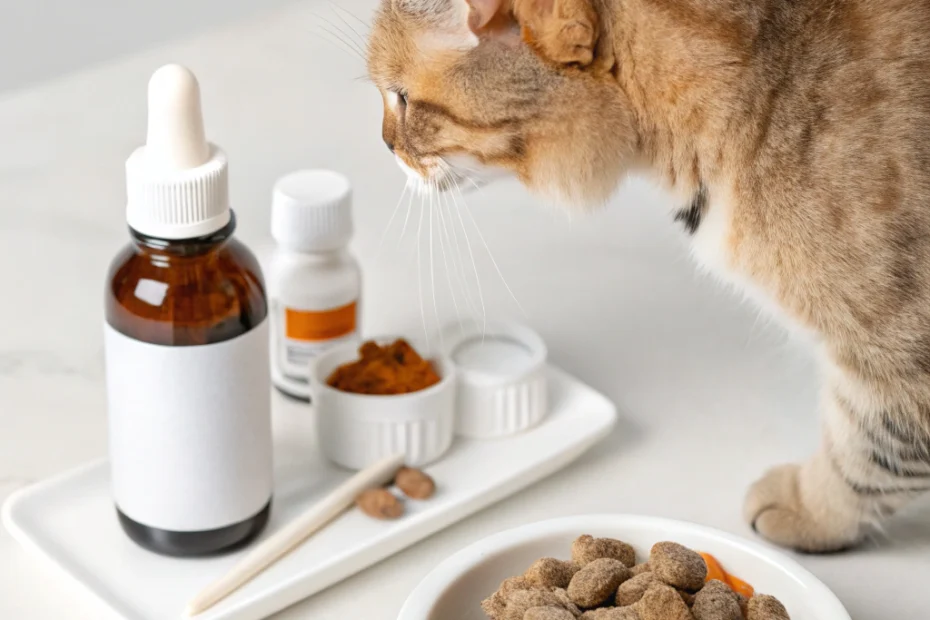
At-a-Glance
Cat skin allergies can be a common issue for many feline companions. These allergies may manifest through symptoms such as itching, redness, and hair loss. Understanding the potential causes and management strategies can help you provide the best care for your cat. While allergies can be frustrating, there are ways to support your cat’s health and comfort.
How to Choose
When selecting products to help manage cat skin allergies, consider the following factors:
- Ingredients: Look for products with natural ingredients that are less likely to irritate your cat’s skin.
- Purpose: Determine if the product is intended for soothing, cleansing, or treating specific symptoms.
- Reviews: Check reviews from other cat owners to see how effective the product has been for their pets.
- Veterinarian Recommendations: Consult with your veterinarian for product suggestions tailored to your cat’s needs.
Safety & Setup
Ensuring the safety of your cat when using products for skin allergies is crucial. Here are some tips:
- Patch Test: Before applying any new product, perform a patch test on a small area of your cat’s skin to check for adverse reactions.
- Follow Instructions: Always follow the manufacturer’s instructions for use and dosage.
- Monitor Reactions: Keep an eye on your cat for any signs of discomfort or worsening symptoms.
- Storage: Store products in a cool, dry place out of reach of pets and children.
Core Pillars
Managing cat skin allergies effectively involves focusing on several core pillars:
Nutrition
A balanced diet can support your cat’s overall health and may help reduce allergy symptoms. Consider foods that are formulated for sensitive skin or hypoallergenic diets.
Grooming
Regular grooming can help remove allergens from your cat’s coat and skin. Use gentle grooming tools and hypoallergenic shampoos.
Environment
Maintaining a clean environment can reduce exposure to potential allergens. Regularly clean your cat’s bedding and vacuum your home to minimize dust and dander.
Placement & Environment Tips
The environment where your cat spends most of its time can impact its skin health. Consider these tips:
- Bedding: Choose hypoallergenic bedding materials that are easy to clean.
- Air Quality: Use air purifiers to reduce airborne allergens.
- Outdoor Access: Limit outdoor access during high pollen seasons if your cat is allergic to pollen.
Comparison with Alternatives
When managing cat skin allergies, you may encounter various treatment options. Here’s how some common approaches compare:
- Medicated Shampoos vs. Natural Remedies: Medicated shampoos may provide quicker relief but can be harsher on the skin. Natural remedies are gentler but may take longer to show results.
- Dietary Supplements vs. Prescription Medications: Supplements can support overall health and are often used as a preventive measure, while prescription medications may be necessary for severe cases.
FAQs
What are common signs of cat skin allergies? Common signs include itching, redness, hair loss, and scabs.
Can diet affect my cat’s skin allergies? Yes, a balanced diet can play a role in managing skin allergies. Hypoallergenic diets may help reduce symptoms.
How often should I groom my cat? Regular grooming, about once a week, can help manage allergens on your cat’s skin and coat.
What to Do Next
If you suspect your cat has skin allergies, the first step is to consult with your veterinarian. They can help identify the cause and recommend appropriate treatments. Consider exploring products designed for feline health conditions and treatments that may support your cat’s skin health. Remember, each cat is unique, and what works for one may not work for another. Stay observant and patient as you find the best approach for your furry friend.
Disclaimer: Always consult your veterinarian for personalized advice regarding your cat’s health.