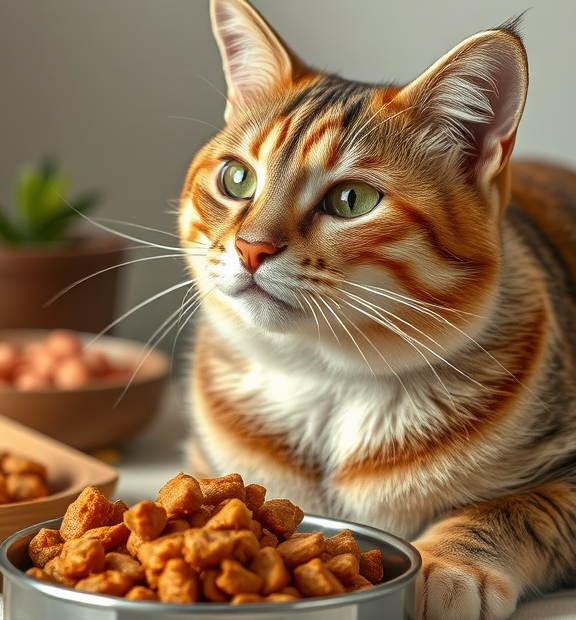
What Is the Best Cat Food: Key Ingredients and Nutritional Needs
Choosing the best cat food is a crucial decision for any cat owner who wants to ensure their furry friend stays healthy, energetic, and happy. Cats are obligate carnivores, which means their diet must be rich in animal protein and specific nutrients that support their unique physiology. Understanding the key ingredients that make up an excellent cat food, as well as their nutritional needs, can help you make an informed choice that benefits your cat’s well-being in the long run.
Essential Nutritional Components for Cats
When considering what is the best cat food, focus on these vital nutrients that every cat’s diet should contain:
- High-Quality Protein: Cats need protein primarily from meat, poultry, or fish. Protein provides essential amino acids like taurine and arginine, which are critical for heart function, vision, and overall muscle health.
- Animal-Based Fats: Fat is an important energy source and helps cats absorb fat-soluble vitamins. Omega-3 and omega-6 fatty acids also contribute to healthy skin and a shiny coat.
- Vitamins and Minerals: Vitamins A, D, E, and B-complex are necessary for immunity, bone health, and metabolism. Minerals such as calcium, phosphorus, and potassium support skeletal strength and fluid balance.
- Water: Hydration is key, especially for cats who tend to drink less water naturally. Wet food options can help supplement their fluid intake, promoting kidney health.
What to Look for in Quality Cat Food
Not all cat foods are created equal, and labels can sometimes be confusing. Here are some tips to help you identify the best cat food:
- Ingredient Transparency: The first ingredient should be a named animal protein source, such as chicken, turkey, or salmon. Avoid foods where meat by-products or fillers like corn and wheat are listed at the top.
- AAFCO Approval: The Association of American Feed Control Officials (AAFCO) sets nutritional standards. Look for a statement on the packaging indicating the cat food meets AAFCO nutrient profiles, ensuring it supports all life stages your cat might be in.
- Grain-Free or Limited Fillers: While not all cats need grain-free diets, many digest them better. High-quality cat food often limits grains and avoids artificial preservatives, colors, and flavors.
- Balance of Wet and Dry Food: A combination of wet and dry cat food can provide benefits. Wet food helps with hydration and urinary tract health, while dry food aids in dental care.
Specific Ingredients to Prioritize
Understanding which ingredients contribute positively to your cat’s diet can guide you in selecting the best options:
- Taurine: An essential amino acid for cats that supports heart and eye health. High-quality foods always supplement or naturally contain ample taurine.
- Real Meat: Avoid foods that rely heavily on plant-based proteins. Cats benefit most from real meat, which is easier to digest and nutritionally complete.
- Omega Fatty Acids: Look for sources like fish oil or flaxseed oil that promote healthy fur and reduce inflammation.
- Digestive Aids: Ingredients like beet pulp or chicory root can support healthy digestion through natural prebiotics and fiber.
How Age and Health Impact Cat Food Choices
The best cat food might vary depending on your cat’s age, weight, and health. Kittens need diets that fuel rapid growth with higher protein and calorie content, while senior cats often require fewer calories but increased joint support.
Special health conditions, such as kidney disease or allergies, also dictate specific dietary needs. Consult your veterinarian to identify appropriate formulas that might have restricted phosphorus, grain-free ingredients, or hydrolyzed proteins.
Homemade vs. Commercial Cat Food
If you prefer homemade meals for your cat, it’s important to replicate the nutritional balance found in commercial cat foods. This often involves adding supplements to ensure adequate taurine, vitamins, and minerals. However, most cat owners find that high-quality commercial cat foods provide the most convenient and reliable nutrition.
Final Thoughts on Choosing the Best Cat Food
Ultimately, what is the best cat food depends on your individual cat’s preferences, health needs, and lifestyle. Prioritize foods that emphasize animal-based proteins, include essential nutrients, and avoid unnecessary fillers or artificial additives. Regularly monitor your cat’s weight, coat condition, and energy levels, and adjust their diet accordingly.
Remember, a well-balanced diet not only sustains your cat’s health but also strengthens your bond through many joyful years together.
How to Choose the Right Cat Food Based on Age, Health, and Lifestyle
Considering Your Cat’s Age for Optimal Nutrition
Choosing the best cat food starts with understanding the nutritional needs tied to your pet’s age. Kittens, adults, and senior cats have very different requirements. For example, kittens need food rich in proteins and fats to support their rapid growth and development. Their diets should include essential nutrients like DHA to promote brain and vision development.
Adult cats require a balanced diet that maintains their energy levels without causing weight gain. This means focusing on moderate protein and fat content with high-quality ingredients. Meanwhile, senior cats often benefit from foods with lower calories to avoid obesity, plus additional supplements like glucosamine for joint health and easily digestible ingredients to support aging digestive systems.
By matching your cat’s age with appropriate formulas, you ensure they get the right balance of vitamins, minerals, and calories to thrive.
Matching Cat Food to Health Needs
Your cat’s health condition can drastically influence what kind of food will work best for them. If your cat has special dietary needs due to medical issues, such as kidney disease, obesity, or allergies, you’ll want to select foods designed to manage these conditions. Here’s how to approach this:
- Kidney Health: Cats with kidney problems benefit from diets lower in protein and phosphorus to ease the strain on their kidneys.
- Weight Management: If your cat is overweight, look for low-calorie foods rich in fiber and high-quality protein to promote fullness without adding excess fats.
- Allergies or Sensitivities: Some cats have reactions to certain ingredients like grains or chicken. Limited ingredient formulas can reduce the risk of adverse reactions.
Always consult your veterinarian before switching to a therapeutic diet, as they can recommend specific foods or brands based on your cat’s condition.
Diet and Lifestyle: What Fits Your Cat’s Activity Level?
Your cat’s lifestyle plays a key role in choosing the right food. Indoor cats, for instance, tend to burn fewer calories, so their diet should focus on preventing weight gain. Foods formulated for indoor cats typically feature fewer calories and more fiber to keep them feeling full and maintain digestive health.
Outdoor or highly active cats usually need more calories and nutrients to fuel their energy levels. A diet rich in protein and fat helps sustain their muscle mass and energy throughout the day.
Additionally, consider your cat’s daily habits. If your cat doesn’t drink much water, wet food might be beneficial. It helps with hydration and can reduce the risk of urinary tract infections or kidney issues.
Important Ingredients to Look For
When determining what is the best cat food, focus on the ingredient list. Cats are obligate carnivores, meaning they require meat to survive. Look for high-quality animal proteins like chicken, turkey, or fish listed as the first ingredients.
Avoid foods with excessive fillers such as corn, wheat, and soy. While not harmful in small amounts, these add little nutritional value and can lead to weight issues or allergies in sensitive cats.
Other key ingredients to watch for include:
- Taurine: An essential amino acid for heart and eye health.
- Omega Fatty Acids: Help maintain glossy fur and healthy skin.
- Antioxidants: Support the immune system and overall well-being.
Wet vs. Dry Food: Finding the Right Balance
Deciding between wet and dry food depends largely on your cat’s preferences and health considerations. Wet food has higher moisture content, which helps keep cats hydrated and is easier to chew, especially for older cats or those with dental problems. It’s often richer in protein and lower in carbohydrates.
Dry food is convenient, longer-lasting, and usually more affordable. It also helps with dental care by reducing plaque buildup. However, it can lack moisture, so pairing dry food with fresh water or occasional wet food meals is advisable.
Many cat owners find success with a mixed feeding approach, combining the benefits of both wet and dry food.
Tips to Make Transitioning Easier
If you need to change your cat’s diet, do it gradually to prevent digestive upset. Start by mixing a small amount of the new food with the current one, slowly increasing the new food’s proportion over 7 to 10 days.
Pay attention to any changes in your cat’s stool, appetite, or behavior, and consult your vet if you notice anything unusual. A smooth transition helps your cat adjust their palate and digestion comfortably.
Final Thoughts on Choosing Quality Cat Food
Selecting the best cat food requires paying attention to your cat’s age, health, and lifestyle. By focusing on nutrient-rich animal proteins, matching formulas to specific needs, and maintaining balanced hydration, you give your furry friend the best chance at a long, healthy life. Always prioritize quality over cost, and don’t hesitate to seek professional advice when in doubt. Your cat’s wellbeing depends on the right diet tailored just for them.
Conclusion
Choosing the best cat food means understanding your cat’s unique nutritional needs and lifestyle. A high-quality cat food should include key ingredients like protein from animal sources, essential fatty acids, vitamins, and minerals that support overall health. Cats are obligate carnivores, so their diet must primarily consist of meat to keep them strong and healthy. Avoiding fillers and artificial additives can also contribute to a better diet and longer life for your feline friend.
When selecting the right food, consider your cat’s age, health status, and activity level. Kittens need more protein and calories to fuel their growth, while senior cats might require foods with joint support and fewer calories to prevent weight gain. Cats with specific health issues such as kidney disease or allergies will benefit from specially formulated diets tailored to their needs. For active indoor cats, balanced nutrition supports energy and immune function, while outdoor cats may need additional calories to sustain their energy output.
Paying close attention to these factors ensures that you provide your cat with food that supports their optimal health and well-being. Remember, what works for one cat may not suit another, so consulting with your veterinarian can help you make the best choice. With the right knowledge and care, you can confidently pick the best cat food to keep your furry companion happy and thriving every day.