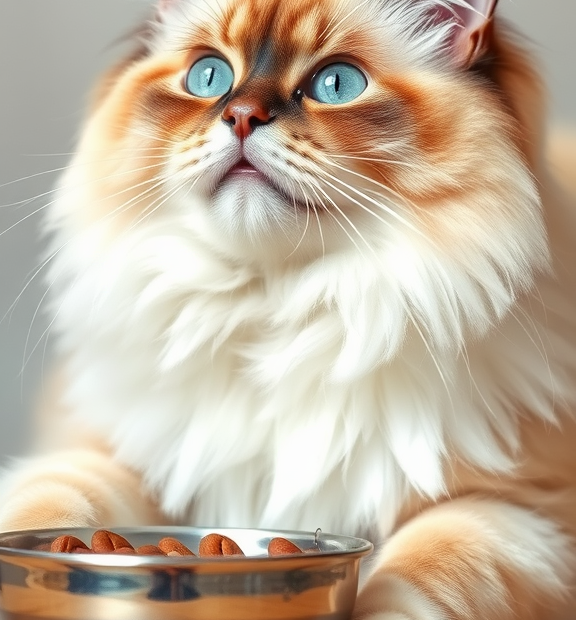
What to Do If Your Ragdoll Cat Won’t Eat: Practical Tips and Effective Solutions
Understanding Why Your Ragdoll Cat Refuses to Eat
When you notice your Ragdoll cat not eating, it can be worrying. This breed is known for its gentle and calm demeanor, but changes in appetite signal that something might be wrong. Loss of appetite in cats can be caused by various factors, including health issues, stress, or changes in environment. Knowing the reason behind your cat’s refusal to eat is essential for providing the right help.
One common cause is illness. Cats, including Ragdolls, often stop eating when they are sick. Dental problems, infections, kidney issues, or gastrointestinal upset could make eating painful or unpleasant. Sometimes, even minor discomfort can cause this behavior. Stressful events like moving to a new home, loud noises, or the addition of new pets can also cause anxiety, leading to a decreased appetite.
Immediate Actions to Take When Your Cat Won’t Eat
If your Ragdoll stops eating, observe them carefully. Check for other signs like lethargy, vomiting, diarrhea, or unusual behaviors. If these symptoms are present, visiting a veterinarian should be your priority. However, if the refusal to eat is isolated and brief, try these practical steps to encourage your cat:
- Offer Fresh, Tasty Food: Sometimes, food that is stale or unappealing discourages eating. Try warming wet food slightly—the heat releases aromas that are irresistible to cats.
- Change the Food Type: Your Ragdoll might have grown tired of the current food. Introduce a new flavor or texture. Experiment with wet food if they mostly eat dry food, or vice versa.
- Serve Small, Frequent Meals: Instead of large meals at once, try smaller portions multiple times a day to tempt their appetite.
- Ensure a Quiet Eating Space: Ragdolls enjoy calm environments. Make sure the feeding area is peaceful, away from noise and other pets.
- Check the Food Dish: Sometimes cats dislike certain bowls. Switch to ceramic or glass dishes instead of plastic, as some plastic bowls can harbor odors or irritate whiskers.
Home Remedies to Stimulate Your Cat’s Appetite
If your Ragdoll’s refusal to eat continues but there are no other worrying symptoms, certain home remedies could help stimulate their interest in food. Hydrating foods such as canned tuna or chicken broth (without onions or garlic) can pique their appetite. Mixing a bit of these into their regular food often encourages eating.
You might also try gently hand-feeding your cat to build interest. Sometimes the extra attention helps relieve stress and improves their mood.
When to Seek Veterinary Care for Your Ragdoll Cat
It’s important not to delay veterinary attention if your Ragdoll cat won’t eat for more than 24-48 hours. Cats can develop serious complications from not eating, including hepatic lipidosis, a dangerous liver condition. The vet will perform a thorough exam, possibly including blood tests, dental inspection, and imaging, to identify the underlying cause.
Do not attempt to force-feed your cat without veterinary advice, as this could cause more harm than good. The vet might suggest appetite stimulants, fluids, or other treatments based on the diagnosis.
Preventing Future Feeding Issues
Once your Ragdoll returns to normal eating habits, keeping them healthy helps prevent future refusals. Maintain a consistent feeding schedule with high-quality, balanced cat food designed for their age and health status. Regular veterinary check-ups can catch early signs of illness that might affect appetite.
Monitor your cat’s environment for stress factors, such as changes in routine or household noises, and create a calm space just for them. Encouraging play and interaction helps reduce anxiety and keeps your cat mentally stimulated, which promotes healthy eating habits.
Key Takeaways to Remember
- Monitor any additional symptoms like vomiting, lethargy, or drastic behavioral changes.
- Try warming food or offering new flavors and textures to rekindle interest in eating.
- Keep feeding areas quiet and comfortable to reduce stress.
- Visit the vet promptly if your Ragdoll cat refuses food for more than two days or shows other signs of illness.
- Maintain regular health check-ups to catch possible issues early.
By staying attentive and applying these practical tips and solutions, you can help your Ragdoll cat overcome feeding difficulties. Their unique personality thrives on routine, gentle care, and a peaceful environment—make these a priority to keep your feline friend happy and well-fed.
Understanding the Common Causes Behind a Ragdoll Cat’s Loss of Appetite
When your Ragdoll cat suddenly stops eating, it can be worrying and confusing. Understanding why your feline friend has lost their appetite is the first step to helping them regain their health and happiness. Loss of appetite in Ragdolls is not unusual but can stem from various causes, ranging from mild to serious. Being aware of these common reasons helps you identify the problem early and know when to seek veterinary help.
Health Issues That Affect Appetite in Ragdoll Cats
One of the most common reasons a Ragdoll cat won’t eat is due to underlying health problems. Just like people, cats experience discomfort and pain that can affect their desire to eat. Here are some health causes to consider:
- Dental Problems: Teeth issues or gum infections can cause pain while chewing, making your cat avoid food.
- Gastrointestinal Issues: Conditions like nausea, vomiting, or constipation often lead to reduced appetite.
- Infections: Viral, bacterial, or fungal infections can cause lethargy and a general reluctance to eat.
- Chronic Diseases: Kidney disease, liver problems, or diabetes can affect appetite and overall health.
- Pain or Injury: Any source of pain, whether from a recent injury or arthritis, might keep your Ragdoll off their food.
Because Ragdolls are typically calm and easygoing, a sudden change like refusing food almost always signals something is wrong.
Changes in Environment or Routine
Ragdolls thrive on routine and familiarity. Disruptions around the home can cause stress and anxiety, which might lead to loss of appetite. Some common environmental reasons include:
- New Pets or People: Introducing a new cat, dog, or even guests can stress your Ragdoll, decreasing their interest in food.
- Moving Homes: The stress of a new environment can make cats hesitate to eat due to unfamiliar smells and sights.
- Changes in Caretakers: A change in who feeds or cares for the cat can sometimes disrupt their comfort and eating habits.
- Noise and Activity: Loud noises or too much household activity can cause anxiety in these gentle cats.
Cats, including Ragdolls, are creatures of habit. When their usual peace is disturbed, they may respond by showing less interest in their meals.
Food-Related Factors Affecting Feeding Behavior
Sometimes, the problem lies not with the cat but with the food itself. Ragdoll cats can be sensitive eaters and very particular about their food preferences. Here are some factors related to their diet that might lead to a decrease in eating:
- Food Quality or Freshness: Spoiled or expired food can deter your cat from eating.
- Flavour and Texture: Ragdolls may dislike certain flavors or textures, especially if their food has recently been changed.
- Temperature of Food: Cats often prefer warm food. Serving meals cold out of the refrigerator can reduce appeal.
- Overfeeding or Free Feeding: If food is always available, your cat might eat less during regular meal times.
- Type of Food: Switching from wet food to dry food or vice versa without a gradual transition might cause refusal.
Monitoring your Ragdoll’s food habits and ensuring freshness and variety can help maintain a consistent appetite.
Psychological and Emotional Factors
Just like humans, cats can experience emotional struggles that impact their eating habits. Stress, depression, or loneliness can cause appetite loss. This is especially true if your Ragdoll spends long periods alone or feels neglected.
A Ragdoll cat’s personality is loving and social, so lack of interaction and emotional stimulation can lead to withdrawal, including refusing meals. Cats with emotional distress might also display other signs like hiding, less grooming, or odd vocalizations.
Considerations for Age and Life Stage
Age can also influence your Ragdoll’s appetite. Older cats may naturally eat less due to reduced activity levels or dental issues typical of aging. Kittens and young cats might suddenly refuse food as they develop preferences or during teething phases.
Life transitions such as pregnancy or lactation can also temporarily change eating patterns. Watch for these changes and adjust your feeding routines accordingly.
Recognizing When to Consult a Veterinarian
If your Ragdoll cat won’t eat for more than 24 hours or shows additional symptoms such as vomiting, diarrhea, lethargy, or weight loss, it’s time to seek veterinary advice. Early assessment ensures prompt treatment and avoids complications, especially because Ragdolls are prone to some genetic health conditions.
Remember, loss of appetite is often a symptom, not the problem itself. Identifying the exact cause will help you provide the best care and bring your beloved Ragdoll back to their usual self.
Conclusion
If your Ragdoll cat stops eating, it’s important to act quickly but calmly. Knowing the common causes behind a loss of appetite—from stress and changes in environment to health issues—helps you take the right steps. Start by checking their food to ensure it’s fresh and appealing, and try changing flavors or textures to see if that sparks their interest. Small adjustments, like warming their food or offering wet food instead of dry, can make a big difference. Monitoring their behavior closely helps you spot any signs of illness early on.
Sometimes, a lack of appetite points to underlying health problems that need veterinary attention, so don’t hesitate to seek professional advice if your Ragdoll refuses food for more than 24 hours or shows other concerning symptoms. Remember, a proactive approach combined with patience and gentle care can encourage your Ragdoll to eat and maintain their health.
By understanding why your cat might lose interest in food, you can respond effectively to keep them happy and nourished. Taking simple yet thoughtful actions tailored to your Ragdoll’s needs ensures they get the nutrition they require and lets you enjoy the loving companionship of a healthy, content pet.