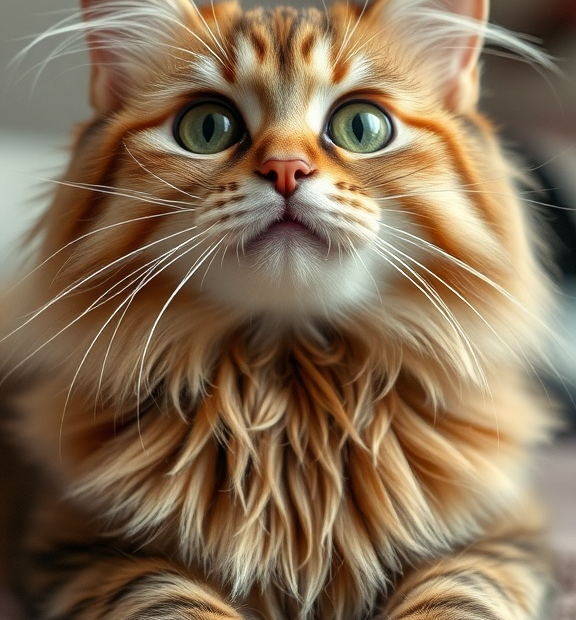
Effective Remedies for Hairballs in Cats: What to Give for Relief
Dealing with hairballs in cats can be frustrating for both you and your furry friend. Understanding what causes hairballs is the first step towards addressing the problem effectively. Cats groom themselves frequently, and as a result, they swallow a lot of hair, which can lead to hairballs. If your cat is struggling with these unpleasant clumps, there are several remedies you can try to provide relief.
Dietary Adjustments
One of the most effective ways to manage hairballs is by adjusting your cat’s diet. Here are some options to consider:
- Specialized Hairball Control Food: Many pet food brands offer diets specifically designed to reduce hairballs. These foods typically contain higher fiber content, which helps hair pass through the digestive system more easily.
- Increase Fiber Intake: If you don’t want to switch to a specialized diet, adding fiber to your cat’s regular food can also help. Canned pumpkin (not the spiced pie filling) is a natural source of fiber that many cats enjoy.
- Hydration: Ensure your cat has plenty of fresh water available. Hydration is essential for digestion and can help reduce hairball formation. Consider a pet water fountain to encourage drinking.
Grooming Techniques
Regular grooming not only helps minimize hairballs but also provides quality time for you and your cat. Here are some grooming strategies to adopt:
- Daily Brushing: Brushing your cat daily can remove loose hair before it has a chance to be swallowed during grooming sessions. This is especially important for long-haired breeds.
- Redirecting Grooming Habits: If your cat licks excessively while grooming, it can lead to more hair ingestion. Gently redirect their attention with toys or interactive playtime to lessen their grooming moments.
Hairball Remedies
If your cat is already facing hairball issues, there are several products on the market designed to help. Here’s what you can give your cats for hairballs:
- Hairball Pastes: These palatable gels or pastes are often flavored with chicken or fish and help lubricate the hair in the digestive tract, making it easier to expel.
- Over-the-Counter Hairball Remedies: These usually come in the form of chews or treats, providing a convenient way to give your cat relief. Ensure you pick a product made specifically for cats.
- Probiotics: Adding probiotics to your cat’s diet can improve digestion and gut health, which may help reduce hairball formation.
Regular Veterinary Check-Ups
It’s important to consult your veterinarian if hairballs become a frequent issue for your cat. Your vet can rule out any underlying health problems and suggest tailored solutions. Regular check-ups can catch any potential issues early on.
Signs that your Cat Needs Attention
Keep an eye on your cat for any warning signs that might indicate hairballs are becoming a serious issue. Watch for:
- Frequent vomiting, especially if it’s not just hairballs.
- Lethargy or a decrease in appetite.
- Constipation or changes in litter box habits.
- Excessive grooming or licking of the abdomen.
By taking preventative steps and using effective remedies, you can help manage hairballs and improve your cat’s comfort. Be attentive to their needs, and don’t hesitate to seek professional help if you notice concerning symptoms. With the right approach, you can reduce hairballs in your home and keep your feline friend happy and healthy.
Understanding the Causes of Hairballs in Cats and Prevention Strategies
Cats are known for their grooming habits, but this can sometimes lead to an issue that many cat owners are all too familiar with: hairballs. Understanding why hairballs occur and how to prevent them is essential for maintaining your cat’s health and comfort. Let’s dive into the causes of hairballs and explore effective prevention strategies.
Common Causes of Hairballs in Cats
Hairballs, medically known as trichobezoars, happen when your cat ingests hair during grooming. Here are the primary reasons that contribute to hairballs:
- Excessive Grooming: Cats groom themselves to keep their coats clean. Some cats, especially those with longer fur, may groom more than necessary, leading to a higher ingestion of hair.
- Seasonal Shedding: Cats shed their fur seasonally, which can contribute to hairballs if they don’t eliminate the fur effectively during grooming.
- Diet and Nutrition: Poor-quality food may not provide enough nutrients, leading to dry skin and more shedding. A balanced diet can help minimize shedding.
- Health Conditions: Certain medical issues, such as allergies or skin problems, can lead to increased grooming and hair ingestion. If grooming seems excessive, a vet visit may be necessary.
- Stress and Anxiety: Cats may groom excessively due to stress or anxiety, leading to more hair consumption and, ultimately, hairballs.
Signs Your Cat Has Hairballs
It is crucial to recognize the signs that your cat may be dealing with hairballs, as this can affect their health. Here are some common indicators:
- Frequent Coughing: If your cat is often coughing or gagging, they may be trying to expel a hairball.
- Change in Appetite: Cats experiencing discomfort may eat less or avoid eating altogether.
- Excessive Grooming: An uptick in grooming behavior can indicate that your cat is struggling with a hairball.
- Vomiting: If you notice hairballs being vomited, it’s a clear sign that your cat is struggling with hair ingestion.
Strategies for Hairball Prevention
Now that you understand the causes and signs of hairballs, let’s explore practical prevention strategies to help keep your cat comfortable and healthy.
- Regular Grooming: Brush your cat regularly to remove loose hair. For long-haired breeds, try to groom daily. This reduces the amount of fur your cat ingests and keeps their coat healthy.
- High-Quality Diet: Feed your cat a nutritious diet designed for their specific needs. Look for food that includes fiber, as this can help hair pass through the digestive system more easily.
- Hydration: Ensure your cat always has access to fresh water. Staying hydrated can help prevent hairballs by promoting a healthy digestive system.
- Hairball Remedies: Consider using commercial hairball remedies or treats formulated to help reduce hairballs. These often contain ingredients like fiber or oils that promote smoother digestion.
- Consistent Vet Visits: Regular check-ups with your veterinarian can help address any underlying health issues that may cause excessive grooming or hairball problems.
When to Seek Veterinary Care
If your cat frequently produces hairballs or shows signs of distress, it may be time to consult a veterinarian. Persistent vomiting, lack of appetite, or lethargy can indicate more serious issues that require professional attention.
Hairballs can be a common nuisance for both cats and their owners. By understanding the causes and implementing effective prevention strategies, you can help keep your cat happy, healthy, and free of hairball-related discomfort. Regular grooming, a balanced diet, and attentive care will significantly improve your feline friend’s well-being.
Conclusion
Dealing with hairballs in cats can be a challenging issue for pet owners. However, knowing effective remedies and understanding the underlying causes can significantly improve your feline’s comfort and well-being. By providing your cat with specialized grooming tools and hairball control foods, you create an environment that minimizes hair ingestion. Regular brushing not only reduces shedding but also strengthens the bond between you and your pet.
It’s essential to remember that grooming is just part of the equation. Staying informed about your cat’s health and habits will help you identify potential issues early on. If your cat frequently experiences severe hairballs or shows signs of distress, consulting a veterinarian is crucial. They can rule out any underlying health problems that may contribute to hairball formation.
Moreover, hydration plays a key role in preventing hairballs. Ensuring your cat drinks enough water can help keep their digestive system functioning smoothly. Introducing wet cat food into their diet may also be beneficial, as it provides additional moisture and can aid in digestion.
By adopting these strategies, you can effectively manage and prevent hairballs in your cat. Keeping your furry friend happy and healthy is always the top priority. With some proactive measures, you’ll minimize discomfort from hairballs and ensure that your cat enjoys a more pleasant, carefree life. Remember, a little attention to grooming and diet can go a long way in preventing this common feline issue.